Back

Dividend Adjustment Notice – Sep 23 ,2025

Dear Client,

Please note that the dividends of the following products will be adjusted accordingly. Index dividends will be executed separately through a balance statement directly to your trading account, and the comment will be in the following format “Div & Product Name & Net Volume”.

Please refer to the table below for more details:

Dividend Adjustment Notice

The above data is for reference only, please refer to the MT4/MT5 software for specific data.

If you’d like more information, please don’t hesitate to contact info@vtmarkets.com.

What Is Artificial Intelligence (AI) Trading? The Ultimate Guide

Artificial intelligence trading, or AI trading, is transforming how traders and investors approach financial markets by combining algorithms, automation, and machine learning. In this guide, you will discover what AI trading is, how it works in practice, its advantages and risks, the main strategies applied, and how it compares with manual trading.

What Is Artificial Intelligence (AI) Trading?

Artificial intelligence (AI) trading refers to the use of algorithms, machine learning, and advanced data processing to analyse markets and execute trades automatically. In simple terms, AI trading allows computers to make decisions based on patterns in data, news, sentiment, and price movements rather than relying purely on human judgement.

By 2024, the AI market globally was valued at about USD 279.22 billion, and forecasts expect it to grow at a compound annual growth rate (CAGR) of around 35.9% from 2025 to 2030, reaching over USD 1.8 trillion by 2030. These figures show how much investment and interest there is in artificial intelligence, including applications in finance, stock markets, and financial trading.

How Does AI Trading Work?

Artificial intelligence trading combines data analysis, machine learning, and automated execution to make faster and more informed trading decisions.

  1. Data Collection: AI systems scan large volumes of information, from market prices and economic indicators to news and social media sentiment.
  2. Model Training: Machine learning algorithms process this data to identify patterns and potential opportunities.
  3. Signal Generation: Based on the analysis, the AI generates buy, sell, or hold signals, providing actionable insights for traders.
  4. Automated Execution: Trades are placed instantly, often within milliseconds, through connected trading platforms.
  5. Risk Management & Learning: Rules such as stop-loss orders manage risk, while feedback loops enable the system to adapt and improve over time.

Example: The Norwegian sovereign wealth fund (USD 1.8 trillion in assets) aims to save USD 400 million per year in trading costs by using artificial intelligence trading tools to predict internal flows and reduce unnecessary transactions.

Advantages of AI Trading

AI trading offers several benefits that explain why both institutions and retail traders are increasingly adopting it. These advantages include:

  • Speed and scale: AI trading systems can analyse data and execute trades far faster than a human can.
  • Emotion-free decisions: Remove psychological biases (fear, greed) that often lead to bad decisions.
  • 24/7 market monitoring: AI can track global markets, news, and events even when human traders are asleep.
  • Data-driven insights: Can process vast datasets (sentiment, volumes, order flows) to spot opportunities humans might miss.
  • Cost savings for large operations: As in the example above, institutions using AI trading can reduce transaction costs significantly.

Risks and Limitations of AI Trading

While AI trading offers clear advantages, it also comes with significant risks that traders need to consider before relying too heavily on automation:

  • Overfitting & reliance on past data: Models may perform well historically but fail when market conditions shift.
  • Black box complexity: AI models, especially deep learning systems, are difficult to interpret, which makes oversight challenging.
  • Systemic risk and flash crashes: Automated, high-speed trading can amplify volatility and contribute to sudden market disruptions.
  • Data quality issues: Inaccurate or incomplete inputs can lead to poor trading decisions.
  • Regulatory and ethical concerns: Questions remain around transparency, fairness, and the potential for market manipulation.

Types of AI Trading Strategies

AI trading systems apply different strategies depending on the data and models they are built on. Some of the most common include:

1. High-Frequency Trading (HFT)

Uses AI to place thousands of trades per second, aiming to profit from very small price differences. This is mostly used by large institutions due to the need for powerful infrastructure.

2. Arbitrage

AI trading improves arbitrage trading strategies by spotting price differences across markets and executing buy and sell orders almost instantly.

3. Sentiment-Driven Trading

Natural Language Processing (NLP) models analyse news headlines, earnings reports, or even social media feeds to gauge market mood. For instance, a sudden spike in positive sentiment about a tech stock might trigger buy signals.

4. Pattern Recognition and Technical Analysis

AI enhances technical analysis in trading by scanning price data to detect chart patterns, support and resistance levels, or unusual market anomalies more accurately than manual analysis.

5. Reinforcement Learning and Adaptive Models

These systems learn from their own trading performance, adjusting strategies as market conditions evolve. This makes them useful in highly volatile markets such as cryptocurrencies.

Popular Artificial Intelligence Companies to Watch

Beyond trading strategies, many investors gain exposure to artificial intelligence through companies that are leading the industry. These firms either develop the core technology behind AI or integrate it deeply into their products and services.

  • NVIDIA (NVDA): A global leader in graphics processing units (GPUs), NVIDIA provides the hardware that powers most AI and machine learning systems. Its share price has surged in recent years as demand for AI chips continues to grow.
  • Alphabet (GOOGL): The parent company of Google, Alphabet invests heavily in AI research across areas such as search, cloud computing, and autonomous driving through its subsidiary Waymo.
  • Microsoft (MSFT): Microsoft has become a key AI player through its partnership with OpenAI and the integration of AI tools across Office, Azure, and its cloud services.
  • Meta Platforms (META): Formerly Facebook, Meta uses AI in content moderation, advertising, and its ongoing development of virtual and augmented reality technologies.
  • Amazon (AMZN): Amazon applies AI in its recommendation systems, logistics, and its cloud division, AWS, which is a major provider of AI services to businesses worldwide.

For diversification, traders and investors can also consider AI-focused ETFs, such as the Global X Robotics & Artificial Intelligence ETF (BOTZ) and the iShares Robotics and Artificial Intelligence ETF (IRBO). These funds spread exposure across multiple AI leaders, reducing the risk of relying on a single company.

Discover the best AI stocks to buy in 2025

AI Trading vs Manual Trading

AI trading and manual trading differ in several important ways, but both approaches have strengths depending on the trader’s goals and resources:

AspectAI TradingManual Trading
Speed & executionExecutes trades in milliseconds, capable of handling thousands at onceMuch slower; limited by reaction time and order placement speed
Emotional controlCompletely free of fear, greed, or hesitationHighly influenced by emotions, which often leads to mistakes
Data processingCan analyse millions of data points, charts, and news feeds in real timeLimited to what a human can track and interpret manually
Cost & accessibilityRequires upfront investment in AI tools or bots, but can reduce long-term costs and scale efficientlyLower initial cost, but higher labour effort and time investment
AdaptabilityLearns and improves when retrained with new data, though risk if models failHumans can adapt to unexpected events with creativity and intuition

In reality, the most effective approach often blends the two. Institutions and advanced traders use AI trading systems for data analysis, generating trading alerts, and executing trades, while maintaining human oversight to step in during unexpected market events. For example, during sudden volatility such as the 2023 US banking crisis, human judgement was essential to interpret news and adjust positions, even as AI handled the bulk of trade execution.

Common Mistakes to Avoid with AI Trading

Although AI trading can be powerful, many traders make avoidable errors that reduce its effectiveness:

  • Relying too much on past performance: Just because a model worked well historically does not mean it will succeed in new market conditions. Market shocks or structural changes can quickly invalidate old patterns. 
  • Neglecting model updates: AI systems need constant retraining with fresh data. Failing to monitor and adjust models can lead to outdated strategies that perform poorly. 
  • Weak risk management: Automated systems still require safeguards like stop-loss orders, diversification, and position limits. Without these, losses can multiply quickly.
  • Using “black box” tools blindly: Some AI bots offer little explanation of how they make decisions. Traders who cannot understand the logic risk relying on flawed or misleading signals. 
  • Overtrading and lack of oversight: Automation can tempt traders to let bots run unchecked. Without supervision, this can lead to excessive trades, higher fees, and unnecessary risks. 
  • Ignoring hidden costs: Beyond subscription fees, traders often overlook data costs, infrastructure requirements, and slippage, which can erode profits.

Summary

In summary, artificial intelligence trading refers to the use of algorithms and machine learning to analyse data, generate signals, and execute trades automatically. It has grown rapidly because of its ability to process vast information, trade at high speed, and remove emotional bias, with institutions and retail traders alike adopting it for strategies ranging from high-frequency trading to sentiment analysis. At the same time, it comes with risks such as model overfitting, lack of transparency, and system errors, which means human oversight and strong risk management remain essential as AI trading continues to shape the future of global markets.

Start AI Trading Today with VT Markets

If you are ready to explore AI trading, VT Markets offers the tools and support to get started. MetaTrader 4 (MT4) and MetaTrader 5 (MT5) provide a strong foundation for automated and algorithmic trading through Expert Advisors (EAs), allowing traders to run rule-based strategies with precision and speed. For those interested in artificial intelligence trading, these platforms can also be integrated with AI-driven tools and third-party solutions, giving traders the ability to combine automation with adaptive learning models.

If you are not ready for the live market, you can practise with a VT Markets demo account to test these strategies risk-free before going live. At the same time, the VT Markets Help Centre provides step-by-step guidance on platforms, strategy setup, and risk management to support your learning journey.

Start AI trading today with VT Markets and experience the future of trading with confidence.

Frequently Asked Questions (FAQs)

1. What is artificial intelligence (AI) trading?

Artificial intelligence trading is the use of machine learning, algorithms, and automation to analyse data, identify opportunities, and execute trades automatically. It allows traders to process more information at a higher speed and with less emotional bias compared to manual trading.

2. Is AI trading profitable?

Yes, AI trading can be profitable, but returns depend heavily on the quality of models, data, risk management, and adaptability. Past performance is not a guarantee of future profits.

3. Is artificial intelligence trading safe for beginners?

It can be safe if you start small, use demo accounts, and have a strong understanding of the risks and how the AI tools work.

4. Do I need programming or technical skills?

Not always. Many platforms offer AI tools and bots with user-friendly interfaces. But understanding basic statistics, market data, and how models are trained helps.

5. What is the difference between algorithmic trading and AI trading?

Algorithmic trading follows fixed, rule-based instructions, while AI trading uses machine learning to adapt and improve based on new data. AI trading is more flexible but also more complex.

6. Can AI trading be used in forex, stocks, and crypto?

Yes. AI trading strategies are applied across multiple markets, including forex, equities, commodities, and cryptocurrencies. Each market may require different models and data inputs.

7. Is AI trading legal?

Yes, AI trading is legal in most major markets, but it must comply with financial regulations in each jurisdiction. Some regulators also require transparency in algorithmic systems.

Dividend Adjustment Notice – Sep 22 ,2025

Dear Client,

Please note that the dividends of the following products will be adjusted accordingly. Index dividends will be executed separately through a balance statement directly to your trading account, and the comment will be in the following format “Div & Product Name & Net Volume”.

Please refer to the table below for more details:

Dividend Adjustment Notice

The above data is for reference only, please refer to the MT4/MT5 software for specific data.

If you’d like more information, please don’t hesitate to contact info@vtmarkets.com.

VT Markets launches brand film to showcase shared values with NUFC to mark the beginning of the partnership’s second year.

22 September 2025, Sydney, Australia – VT Markets, a leading multi-asset broker, is celebrating the success of its ongoing partnership with Newcastle United , and marking the start of the new football season with the release of its latest brand film.

The film highlights the evolution of VT Markets’ partnership with Newcastle United as it enters its second year, showcasing the shared values that are essential qualities for success both on the pitch and in the world of trading.

Titled ‘Together, Into Tomorrow‘, the brand film reinforces the strength of the VT Markets and Newcastle United partnership, showcasing how these core values fuel success in both football and financial markets. This collaboration has already expanded both brands’ reach, increased engagement, and connected with new audiences, making a lasting impact.

Dandelyn Koh, Global Brand & PR Lead at VT Markets, expressed, “As we celebrate entering the second year of our partnership with Newcastle United, this new brand film perfectly encapsulates the core values that drive both our brands: speed, precision, and strategy. At VT Markets, we focus on empowering our clients with resources and knowledge to make confident, well-informed decisions in the fast-moving world of trading – much like NUFC players do on the field. This milestone is just the beginning, and we look forward to what the future holds for this powerful partnership.”

The film’s narrative draws parallels between football and trading, illustrating how speed strategic thinking are essential in both realms. VT Markets’ insights and resources, much like a player’s intuition, empower traders to stay ahead in the fast-paced, ever-changing market environment.

As the partnership moves into its second year, VT Markets remains committed to empowering its clients with the tools, knowledge, and insights necessary for success in the dynamic world of trading.

The full brand film – ‘Together, Into Tomorrow‘ can be accessed here.

For media enquiries and sponsorship opportunities, please email media@vtmarkets.com or contact:

Dandelyn Koh 

Global Brand & PR Lead

dandelyn.koh@vtmarkets.com  

Brenda Wong 

Assistant Manager, Global PR & Communications

brenda.wong@vtmarkets.com 

READ MORE

Week ahead: Market reacts to policy moves and geopolitical tensions

Global economic dynamics are shifting as the UK and Japan increase their holdings of US Treasury bonds while China continues to reduce its exposure, reflecting diverging financial strategies amid global uncertainty. The Bank of England held interest rates steady at 4% and scaled back its quantitative tightening program, signaling a more cautious stance in the face of evolving economic conditions.

KEY INDICATORS

Economic & Monetary Policy

  • UK and Japan increase holdings in US treasury bond, while China reduces
  • Bank of England takes a cautious approach in monetary tightening, keeping interest rates at 4%
  • Trump hinted at the possibility of providing tariff refunds to US citizens

Geopolitical & Diplomatic Developments

  • Trump argued that reducing oil prices could help end the Russia-Ukraine conflict.

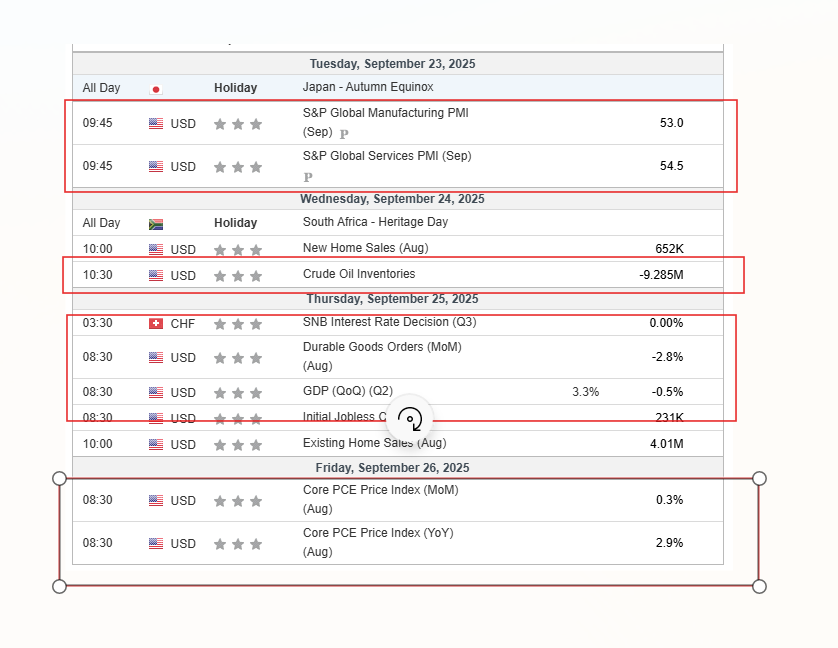
Looking ahead (22-26 September 2025)

economic-calendar-22-sep-2025

MARKET MOVERS

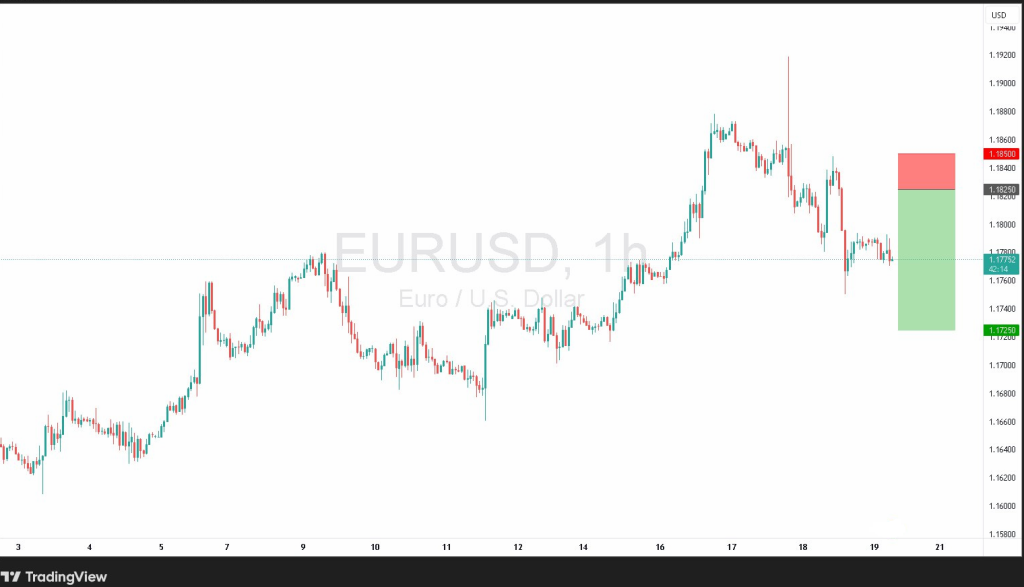
EUR/USD

eur-usd
  • Primary trend: Signs of fatigue is spotted from the uptrend, with the risk/reward favors fading rallies rather than chasing strength.
  • Support: 1.1725, followed by 1.1700.
  • Resistance: 1.1780, followed by 1.1825.
  • Long strategy: Look for a quick bounce if dips hold above 1.1725, targeting 1.1780.
  • Short strategy: Sell into rallies from the 1.1825 resistance. A sustained break below 1.1700 would strengthen the bearish case.
  • Range trading: Sell near the highs and buy near the lows between 1.1700 – 1.1825, with tight stops outside the band.

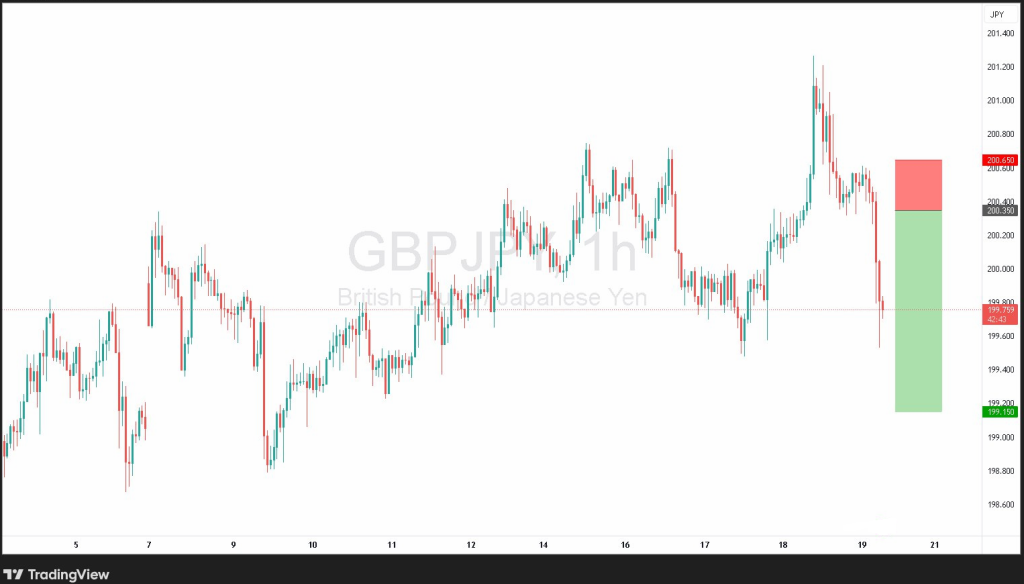
GBP/JPY

gbp-jpy
  • Primary trend: Bullish trend is losing momentum, with price action signaling signs of topping out.
  • Support: 199.15 followed by 198.85.
  • Resistance: 200.00 followed by 200.35.
  • Long strategy: Look for short-term entries on dips above 199.15, targeting 200.00.
  • Short strategy: Sell into rallies from the 200.35 resistance, with downside targets at 199.15 and 198.85.
  • Range trading: Sell near resistance and buy near support between 198.85 – 200.35, while keeping tight stops outside the band.

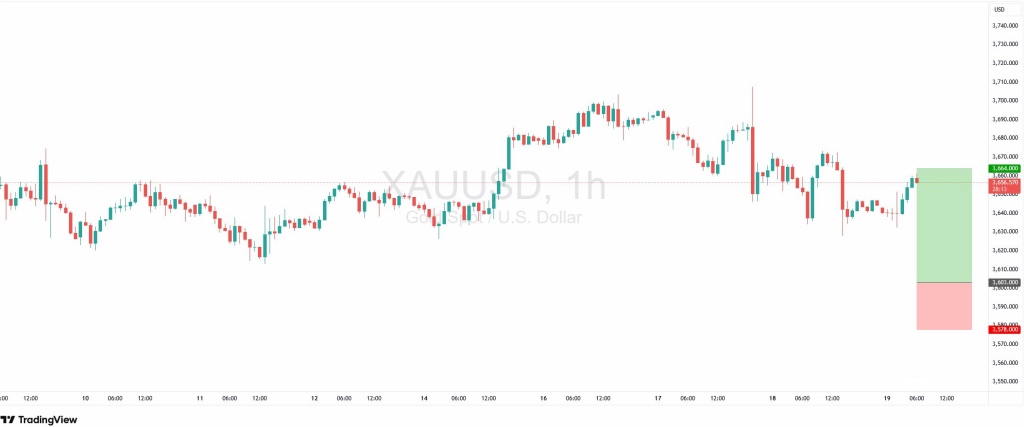
XAU/USD

  • Primary trend: Despite recent choppy price action, a broader uptrend remains.
  • Support: 3603
  • Resistance: 3664 followed by 3674
  • Long strategy: Buy on dips near support, targeting 3664 and 3674. Pullbacks are expected to remain shallow, with buyers stepping in at key levels.
  • Short strategy: Sell from resistance 3664/3674, with stops kept tight above recent highs.
  • Range trading: Buy near support and sell near resistance between 3603 – 3674 until a clearer breakout emerges.

NEWS HEADLINES

U.S. labour data surprise sends markets moving

U.S. initial jobless claims saw their largest drop in nearly four years, however, reports emerged hours later that the North Carolina continuing claims were undercounted by over 19,000 due to a reporting error. A Labour Department spokesperson confirmed an investigation is underway.

The U.S. dollar index rebounded above the 97 level, closing up 0.35% at 97.36.

Precious metals held its ground, while oil remains trapped in supply glut

Despite an intraday drop of over $40 due to bearish jobless claims data, losses were pared as gold closed at $3,643.75/oz (+0.41%). Silver also rebounded after initial decline, closed at $41.79/oz (+0.35%).

Crude oil continued to decline due to concerns over U.S. supply glut and weak fuel demand, with the WTI down 1.03% to $63.30/barrel and the Brent down 0.6% to $67.51/barrel.

Equities closed at record highs despite mixed signals

All three major U.S. indices posted gains and closed at record highs, with Dow Jones +0.27%, S&P 500 +0.48% and Nasdaq +0.94%. The same trend was observed in the European markets, with the German DAX 30 +1.35%, UK FTSE 100 +0.21% and the Euro Stoxx 50 +1.62%.

Click here to open account and start trading.

What Are Government Bonds and How Do They Work?

Government bonds are one of the most widely used financial instruments in the world. They allow governments to raise money for public spending while giving investors a relatively safe way to earn predictable returns. In 2024, the global bond market was valued at more than $133 trillion, with UK government bonds forming a significant share of Europe’s debt market. This guide explains what government bonds are, how government bonds work, why they matter, and how you can buy them.

What Are Government Bonds?

Government bonds are debt securities issued by a country’s government to raise money. When you buy a government bond, you are essentially lending money to the government. In return, the government agrees to pay you interest (known as the coupon) at regular intervals and return your initial investment (the principal) when the bond matures.

For example, if you purchased a 10-year UK gilt in 2025 with a 4% coupon, a £5,000 investment would return £200 per year, plus the full repayment at maturity. At the end of 10 years, the government would repay your original £5,000. This makes government bonds attractive to investors seeking predictable income and relatively lower risk than equities.

How Do Government Bonds Work?

Government bonds are first issued through auctions in the primary market, and then traded in the secondary market where prices move according to demand, interest rates, and wider economic conditions.

Some common bond terms include:

  • Face Value (Par Value): The amount you initially invest, typically £100 or £1,000 per bond.
  • Coupon Rate: The fixed annual interest rate the government pays, expressed as a percentage of the face value.
  • Yield: The effective return you earn, which changes if you buy or sell the bond in the secondary market.
  • Maturity Date: The date when the government repays the bond’s face value.

The process works as follows:

  1. You purchase a bond at its face value.
  2. You receive coupon payments, usually every six months or annually.
  3. At maturity, you receive your original investment back.

For example, if you purchased a UK gilt in 2025 with a 4% coupon, a £1,000 investment would return £40 annually, with the full amount repaid at maturity. This provides a steady income and relatively low risk compared with shares. However, if you decide to sell before maturity, the price you receive will depend on market conditions. In 2025, yields on 10-year UK government bonds hovered around 4.1%, and even small changes in yield could affect the value of your bond in the secondary market.

Types of Government Bonds

There are several types of government bonds, each designed for different time horizons and purposes:

  • Treasury Bills (T-Bills): Very short-term securities that mature in less than a year, often in 3-, 6-, or 12-month terms. They are usually sold at a discount, meaning you pay less than the face value and receive the full amount at maturity.
  • Treasury Notes (T-Notes): Medium-term bonds with maturities between 2 and 10 years. They pay a fixed coupon every six months and are a popular choice for investors who want regular income but not a very long commitment.
  • Treasury Bonds (T-Bonds): Long-term government debt with maturities of 20 to 30 years. Because your money is tied up longer, they tend to offer higher coupon rates, but their prices are more sensitive to interest rate changes.
  • Inflation-Linked Bonds: Also known as index-linked bonds, these are designed to protect investors from inflation. In the UK, these are called index-linked gilts, while in the US they are known as TIPS (Treasury Inflation-Protected Securities). Both adjust their principal and interest payments based on inflation, helping preserve your purchasing power.

Example: In the UK, government bonds are known as gilts, and in Japan, they are called JGBs (Japanese Government Bonds). In 2024, 10-year JGB yields moved above 1% for the first time in over a decade, showing how even traditionally low-yielding markets are shifting.

Why Do Governments Issue Bonds?

Governments issue bonds for several key reasons:

  • Finance public spending: To fund infrastructure projects, healthcare, defence, and education.
  • Manage national debt: Bonds help refinance existing obligations without immediate tax hikes.
  • Stabilise the economy: During downturns, issuing bonds allows governments to inject money into the system.
  • Maintain cash flow: Bonds provide a steady source of funding to cover budget gaps.

For example, the UK’s national debt exceeded £2.6 trillion in 2025, much of it supported by issuing UK government bonds. Similarly, the US national debt passed $34 trillion, financed largely through Treasury bonds.

Why Do Investors Buy Government Bonds?

Investors purchase government bonds for several reasons:

  • Safety: Government bonds are backed by the issuing government, making them among the safest investments available. For example, UK government bonds are considered low-risk compared with corporate debt or equities.
  • Income: Bonds provide fixed coupon payments, usually every six months. This predictable cash flow appeals to those seeking stability, such as retirees or income-focused investors.
  • Diversification: Adding government bonds to a portfolio helps balance riskier investments like shares. They often perform well during market downturns, offsetting stock volatility.
  • Liquidity: Many government bonds, particularly from developed markets like the UK or US, are highly liquid. This means you can usually buy or sell them quickly in the secondary market without large price discounts.
  • Benchmark Role: Government bonds serve as benchmarks for other interest rates in the economy. By holding them, you gain exposure to an asset class that influences borrowing costs on mortgages, corporate loans, and even international trade.

During the turbulence of 2022–2023, many investors shifted into government bonds. By 2024, 10-year UK government bond yields averaged around 4%, showing their continuing role as a safe haven in uncertain times.

How to Buy Government Bonds

There are three main ways you can gain exposure to government bonds, depending on whether you want to own the bonds or trade them through derivatives like CFDs.

1. Buying New Bonds at Auction (Indirectly via Brokers)

Retail investors in the UK cannot place bids directly with the Debt Management Office (DMO) during auctions. However, several brokers and investment platforms route retail orders through Gilt-Edged Market Makers (GEMMs), so you can still access new issues at the auction price.

  • Step 1: Open an account with a broker or platform that offers retail access to new gilt issues.
  • Step 2: Review the DMO auction calendar to see upcoming gilt offerings.
  • Step 3: Place your order through the platform, which will be submitted via a GEMM, allowing you to buy bonds at the auction price.
  • Step 4: If accepted, you will receive your allocation at the auction price.

This option is best if you want to lock in the coupon rate and hold the bond until maturity.

2. Buying Existing Bonds in the Secondary Market (Through Brokers)

Most UK retail investors buy gilts and other government bonds through brokers in the secondary market. This gives you flexibility to choose the maturity, yield, and amount that suit your needs.

  • Step 1: Open a brokerage account that offers access to UK gilts or other government bonds.
  • Step 2: Search for the bond you want to buy and review key details such as maturity, coupon, and price.
  • Step 3: Place an order in multiples of £100 nominal.
  • Step 4: Hold the bond and collect coupon payments until maturity, or sell it in the market if you wish.

This is the most practical route if you want to own government bonds directly and generate coupon income.

3. Trading Government Bond CFDs or Futures with VT Markets

If you prefer not to hold bonds but want to speculate on their price movements, you can trade government bond CFDs or futures with VT Markets. This approach allows you to go long or short, use leverage, and trade actively without waiting for maturity or receiving coupons.

  • Step 1: Open and fund a VT Markets trading account.
  • Step 2: Choose the bond market you want to trade, such as UK gilts, US Treasuries, or German Bunds.
  • Step 3: Analyse the market using economic news and technical tools to assess potential bond price movements.
  • Step 4: Decide your direction by buying (going long) if you expect prices to rise, or selling bonds (going short) if you expect them to fall.
  • Step 5: Set your trade size, stop-loss, and take-profit orders.
  • Step 6: Place the trade and monitor it, closing your position when your target is reached.

This method is best if you want flexibility, leverage, and short-term opportunities rather than fixed coupon income. However, remember that while leverage can amplify potential gains, it also magnifies losses if markets move against you. Always manage risk with tools such as stop-loss orders.

Factors Affecting Government Bond Prices

The price of a government bond does not stay fixed. It changes daily based on wider economic and market conditions. The main factors include:

1. Interest Rates

Bond prices and interest rates move in opposite directions. When central banks raise rates, newly issued bonds pay higher coupons, which makes older bonds with lower coupons less attractive. As a result, the price of existing bonds falls. Conversely, when rates are cut, existing bonds paying higher coupons become more valuable, pushing their prices up.

2. Inflation

Inflation reduces the real purchasing power of future coupon payments. If inflation rises above the bond’s coupon rate, investors demand a discount to compensate, lowering the bond’s price. This is why inflation-linked bonds, such as UK index-linked gilts, often perform better in high-inflation environments.

3. Credit Risk

The perceived creditworthiness of a government affects how investors value its bonds. Developed markets like the UK or Germany are considered very safe, so their bonds trade at higher prices and lower yields. By contrast, emerging markets with weaker credit ratings often see bond prices fall and yields rise because investors require more compensation for the added risk.

4. Market Demand

Investor appetite plays a big role in setting bond prices. If pension funds, central banks, or global investors are buying heavily, demand pushes prices higher and yields lower. When demand weakens, perhaps because investors prefer equities or other assets, bond prices drop.

Example: When the Bank of England kept its base rate at 5.25% in 2024, yields on UK government bonds remained elevated. This was because higher interest rates reduced demand for existing bonds, showing how monetary policy directly affects bond valuations.

Risks and Limitations of Government Bonds

Although government bonds are widely seen as low-risk, safe-haven assets, especially when compared with corporate bonds or shares, they are not risk-free. The main risks include:

1. Interest Rate Risk

When interest rates rise, the prices of existing bonds fall. This happens because new bonds are issued with higher coupon rates, making older bonds less attractive. For example, if you hold a bond paying 2% while new issues pay 4%, investors will only buy your bond at a discount.

2. Inflation Risk

Inflation reduces the real value of the bond’s fixed coupon payments. If inflation rises above the bond’s yield, your purchasing power falls even though you still receive the same cash payments. This is why many investors prefer inflation-linked bonds, such as UK index-linked gilts, during periods of high inflation.

3. Default Risk

While rare in advanced economies like the UK or Germany, some governments may fail to meet their obligations. This “sovereign default” risk is higher in emerging markets with unstable economies or weak fiscal positions.

Example: In 2023, Argentina suffered a government bond crisis, with some bonds trading at less than 30 cents on the dollar. This illustrated how default risk can cause severe losses for investors holding bonds in weaker economies.

Government Bonds: Key Takeaways

Government bonds are vital tools for governments to raise funds and for investors to access safer, income-generating assets. By understanding what government bonds are and how government bonds work, you can see how they fit into both long-term investment strategies and short-term trading opportunities. Their prices are shaped by factors such as interest rates, inflation, credit quality, and demand, which means they carry risks including rate changes, inflation pressure, and in some markets, default.

Start Trading Bonds Today with VT Markets

At VT Markets, you can access global government bond markets through our advanced trading platforms. Trade government bond CFDs and bond ETF CFDs with competitive spreads, reliable execution, and the flexibility to go long or short. Whether you prefer MetaTrader 4 (MT4) or MetaTrader 5 (MT5), our platforms provide powerful tools to help you trade with confidence. 

If you are new to trading, you can open a VT Markets demo account to practise in real market conditions without risk. For more resources and guidance, explore our Help Centre to strengthen your trading knowledge.

Open your account with VT Markets today and start trading bonds with confidence.

Frequently Asked Questions (FAQs)

1. What are government bonds in simple terms?

Government bonds are debt securities issued by a country’s government to raise money. When you buy them, you are lending money to the government in return for fixed interest payments and repayment of your capital at maturity.

2. How do government bonds work?

Government bonds pay a fixed coupon, usually semi-annually or annually, and return your original investment when they mature. Their market value can rise or fall depending on interest rates, inflation, and investor demand.

3. Are UK government bonds different from other government bonds?

UK government bonds are called gilts. They operate in the same way as other bonds but are widely regarded as very low risk, backed by the UK government’s creditworthiness.

4. How to buy government bonds as a beginner?

You can buy UK government bonds through brokers in the secondary market, or trade them via CFDs and ETF CFDs with VT Markets using platforms like MetaTrader 4 (MT4) and MetaTrader 5 (MT5).

5. Why do investors choose government bonds?

Investors buy government bonds for their safety, predictable income, and diversification benefits. They often act as a safe haven when stock markets are volatile.

6. Can you lose money with government bonds?

Yes. If you sell before maturity, you may receive less than you invested if prices have fallen. Inflation can also erode real returns, and in rare cases, some governments may default.

7. Are government bonds risk-free?

No investment is completely risk-free. While bonds from countries like the UK, US, and Germany are considered very safe, they are still exposed to interest rate and inflation risks.

8. Can I trade government bonds instead of owning them?

Yes. With VT Markets, you can trade government bond CFDs and bond ETF CFDs, allowing you to speculate on price movements without owning the underlying bonds.


Dividend Adjustment Notice – Sep 19 ,2025

Dear Client,

Please note that the dividends of the following products will be adjusted accordingly. Index dividends will be executed separately through a balance statement directly to your trading account, and the comment will be in the following format “Div & Product Name & Net Volume”.

Please refer to the table below for more details:

Dividend Adjustment Notice

The above data is for reference only, please refer to the MT4/MT5 software for specific data.

If you’d like more information, please don’t hesitate to contact info@vtmarkets.com.

Gold Eases as Fed’s Tone Tempers Rate-Cut Hopes

Gold edged lower on Thursday, extending its retreat from the previous session’s record high after the US Federal Reserve opted for a modest 25 basis-point rate cut and signalled a slow, steady approach to further easing.

The retreat followed a dramatic rally that pushed prices to an all-time high of $3,707.40 on Wednesday, before reversing to close 0.8% lower as the Fed’s messaging cooled some of the more aggressive dovish bets in the market.

Fed Chair Jerome Powell described the move as a “risk-management” cut in light of a softening labour market. He added that the central bank is now operating on a “meeting-by-meeting” basis, providing little forward guidance and keeping expectations subdued.

https://x.com/Reuters/status/1968582050367127668?ref_src=twsrc%5Etfw%7Ctwcamp%5Etweetembed%7Ctwterm%5E1968582050367127668%7Ctwgr%5E1a27a070ba13f287fc3169a81bed7d184f921988%7Ctwcon%5Es1_c10&ref_url=https%3A%2F%2Fwww.vtmarkets.com%2Fanalysis%2Fgold-eases-as-feds-tone-tempers-rate-cut-hopes%2F

Peter Fertig of Quantitative Commodity Research said, “There is a bit of disappointment… the market expected the opportunity cost for holding gold to decline more strongly than the Fed decided.”

Dollar Rebounds, Pressuring Bullion

The dollar index rose 0.2% on Thursday after plunging to a 3.5-year low the previous day, tightening financial conditions and increasing the cost of holding gold for traders outside the US.

Although Treasury yields remained suppressed, the stronger dollar helped cap gold’s upside.

SPDR Gold Trust, the largest gold-backed ETF globally, reported that holdings fell by 0.44% to 975.66 metric tonnes on Wednesday from 979.95 tonnes the day before—indicating some institutional profit-taking at elevated levels.

Despite the pullback, ANZ remains bullish, stating in a note that “gold is likely to outperform early in the easing cycle,” with demand for haven assets expected to remain strong amid ongoing geopolitical uncertainties and economic fragility.

Technical Analysis

Gold (XAU/USD) is holding firm at 3667.87, up 0.23% on the day, extending its impressive rally from the August base. The metal remains strongly bid, trading well above its moving averages, which continue to slope upward and confirm a sustained bullish trend.

Momentum is reinforced by the MACD, which remains in positive territory with widening separation between the signal and MACD lines, highlighting that bullish momentum is still in play.

xau-usd-gold

On the chart, gold has carved out higher lows and higher highs since the $2832.68 low in March, with the most recent breakout above the $3600 psychological barrier further strengthening the uptrend.

The next resistance lies around $3700–$3750, a zone that could be tested if buyers maintain control.

On the downside, immediate support is seen at $3600, followed by the stronger base at $3400, where gold previously consolidated before its latest surge. As long as prices hold above these levels, the broader outlook remains bullish.

Cautious Forecast

In the short term, gold is likely to consolidate between $3,630 and $3,700 as traders await further clarity on the Fed’s next steps and monitor global macro data.

The next key test lies in the October Fed meeting, where the market sees a 90% probability of another 25bps cut. A dovish shift in tone or softer US data could quickly drive gold back toward its recent highs.

Over the medium term, gold remains well supported by structural drivers: Falling rates, persistent geopolitical tension, and inflation uncertainty.

However, rapid ETF outflows or a stronger-than-expected US rebound could stall the current uptrend. Traders should monitor dollar strength and bond yields closely in the coming sessions.

Click here to open account and start trading.

Momentum Trading Strategies: A Complete Guide

Momentum trading strategies aim to profit from strong price trends by buying rising assets and selling falling ones. Instead of analysing long-term fundamentals, momentum traders rely on price action and technical indicators to follow short- to medium-term moves. In this article, you will discover what momentum trading is, explore the key indicators that drive these strategies, understand their advantages and disadvantages, learn how to start trading with momentum, and see how this approach compares with other trading strategies.

What Is Momentum Trading?

Momentum trading involves buying assets that are rising and selling those that are falling. The core idea is that strong price trends tend to continue for a certain period before slowing down or reversing.

In practice, momentum traders look for assets showing clear strength or weakness, often confirmed by high trading volume or strong technical signals. Instead of the traditional approach of buying low and selling high, they aim to buy high and sell even higher during an uptrend, or sell low and buy back lower when shorting in a downtrend.

A well-known study by Jegadeesh and Titman (1993) showed that stocks with strong past performance often outperformed in the short term, confirming that momentum exists in markets. Today, hedge funds, professional traders, and even retail investors use momentum trading strategies to capture these trends across stocks, forex, commodities, and cryptocurrencies.

Example: During the COVID-19 recovery in 2021, the S&P 500 gained more than 26 percent. Traders who followed the trend through index funds or futures benefited from sustained momentum across the market.

Key Indicators for Momentum Trading Strategies

Momentum trading relies on technical indicators that measure the speed, direction, and strength of price movements. The following tools are among the most widely used:

1. Relative Strength Index (RSI)

The RSI is an oscillator that ranges from 0 to 100, showing whether an asset is overbought (above 70) or oversold (below 30). Momentum traders use RSI to confirm the strength of a move and to time entries. For example, when a stock trends upward and RSI rises above 70, traders may see it as a sign of strong bullish momentum.

2. Moving Averages (MAs)

Moving averages smooth out price data and reveal the underlying trend. Shorter-term MAs, such as the 20-day, react quickly to price changes, while longer-term MAs, such as the 200-da,y show broader direction. Traders often use moving average crossovers. For instance, when the 50-day MA rises above the 200-day MA, it is taken as confirmation of upward momentum.

3. Average Directional Index (ADX)

The ADX measures the strength of a trend on a scale of 0 to 100. A reading above 25 usually indicates a strong trend, while values below 20 suggest a weak or sideways market. Importantly, ADX does not show trend direction but tells traders whether momentum is strong enough to justify entering a trade. For example, if ADX is above 30 during a rising market, momentum traders may consider going long.

4. Moving Average Convergence Divergence (MACD)

The MACD uses two moving averages, often the 12-day and 26-day, to show shifts in momentum. Traders look at the MACD line crossing above the signal line as a bullish sign and crossing below as bearish. Combined with histogram analysis, MACD helps identify both the direction and intensity of momentum, allowing traders to spot potential entry or exit points.

Together, these indicators give momentum traders a toolkit for identifying when a price trend is gaining strength, losing steam, or reversing. Many traders combine two or more of these indicators for greater reliability before executing a momentum trading strategy.

How to Start Momentum Trading

If you are new to momentum trading, here is a step-by-step guide to get started:

Step 1: Understand How Momentum Trading Works

Before risking capital, learn the basics of momentum trading, including how traders use technical indicators to follow strong price trends instead of focusing on fundamentals.

Step 2: Choose a Market

Decide whether you want to trade stocks, forex, commodities, or cryptocurrencies. Momentum trading works across different asset classes, but each has its own volatility and trading hours.

Step 3: Pick a Secure and Reliable Platform

Select a trusted broker and trading platform. With VT Markets, you can use MetaTrader 4 (MT4) or MetaTrader 5 (MT5), both offering advanced tools and access to global markets.

Step 4: Apply Indicators

Use tools such as RSI, MACD, moving averages, and ADX to identify strong trends and potential entry or exit points.

Step 5: Decide to Go Long or Short

Based on your analysis, decide whether to buy into an uptrend (long) or sell into a downtrend (short).

Discover the difference between long and short positions.

Step 6: Open Your First Trade

Place your order through your trading platform and ensure you set appropriate position sizes. Beginners may start with smaller trades to build confidence.

Step 7: Manage Risk

Use stop-loss orders and avoid risking more than 1–2 percent of your trading account on a single position. This protects your capital from sudden market reversals.

Step 8: Stay Informed

Keep up with market news, economic releases, and broader sentiment, as these factors can influence momentum. Regularly reviewing your trades also helps improve your strategy over time.

New to trading? Learn how to start as a beginner.

Advantages of Momentum Trading

Momentum trading offers benefits for both beginners and experienced traders:

  • High Profit Potential: Strong trends can produce significant returns. For example, the Nasdaq 100 gained around 55 percent between 2020 and 2021, rewarding momentum traders who rode the rally.
  • Quick Results: Unlike long-term investing, momentum strategies can deliver profits within days or weeks, making them suitable for traders who prefer active engagement.
  • Applicability Across Markets: Momentum trading works in stocks, forex, commodities, and cryptocurrencies, giving traders flexibility in choosing their preferred market.
  • Clear Entry and Exit Signals: With the help of indicators such as RSI, MACD, and moving averages, momentum trading strategies often provide structured signals that make decision-making easier.
  • Alignment with Market Psychology: Momentum trading takes advantage of herd behaviour and fear of missing out, allowing traders to profit from strong market sentiment rather than fighting against it.

Disadvantages of Momentum Trading

Momentum trading also carries risks that traders need to consider:

  • Sudden Reversals: Price momentum can reverse without warning, leading to heavy losses. The GameStop rally in early 2021 showed how late entrants were caught when the momentum collapsed.
  • Emotional Pressure: Fear of missing out often pushes traders into entering positions too late, while panic selling can lead to missed opportunities.
  • High Transaction Costs: Frequent buying and selling result in higher fees and spreads, which can eat into profits, especially in volatile markets.
  • Dependence on Market Conditions: Momentum trading works best in trending markets. In sideways or choppy conditions, signals are less reliable and false breakouts are common.
  • Short-Term Focus: Since momentum strategies usually target short- to medium-term moves, they require constant monitoring and discipline, which may not suit all traders.

Momentum Trading Strategies vs Other Trading Strategies

Momentum trading is often confused with other active trading styles. Here is how it compares:

Momentum Trading vs Swing Trading

Swing trading focuses on capturing price movements that last from a few days to a few weeks, often within a range. Momentum trading, by contrast, specifically targets strong directional moves with the aim of profiting as long as the trend continues. For example, a swing trader might take advantage of EUR/USD moving between support and resistance levels, while a momentum trader would enter only when the pair breaks out with strong volume.

Momentum Trading vs Trend Following

Trend following strategies target long-term moves that may last months or even years. Momentum trading is usually shorter in horizon, seeking to profit from price strength that may last only days or weeks. For instance, a trend follower might hold positions in gold during a multi-year bull market, while a momentum trader enters and exits multiple times during short bursts of strong momentum.

Momentum Trading vs Breakout Trading

Breakout trading involves entering positions when price moves beyond a defined support or resistance level. While this can overlap with momentum trading, not every breakout shows strong follow-through. Momentum traders usually wait for confirmation from indicators such as RSI, ADX, or volume to ensure the breakout is backed by real strength before committing to a trade. This use of technical analysis tools is a key part of the momentum strategy, helping to identify overbought and oversold conditions and generate trading signals within a trend.

In Summary

  • Momentum trading means buying rising assets and selling falling ones.
  • Traders use indicators such as RSI, moving averages, ADX, and MACD to confirm trend strength.
  • It offers high profit potential, quick results, works across multiple markets, provides clear signals, and aligns with market psychology.
  • It also carries risks such as sudden reversals, emotional pressure, higher costs, dependence on trending markets, and a short-term focus.
  • To get started, learn how momentum trading works, choose your market, use a secure platform, apply indicators, decide to go long or short, open your first trade, manage risk, and stay informed.
  • Momentum trading is different from swing trading, which focuses on short-term ranges, trend following, which targets long-term positions, and breakout trading, which relies mainly on price levels without confirmation.

Start Momentum Trading Today with VT Markets

VT Markets is a reliable broker offering powerful platforms such as MetaTrader 4 (MT4) and MetaTrader 5 (MT5), competitive spreads, and access to global markets. You can test your momentum trading strategy in a VT Markets demo account or move to live trading with confidence. Our Help Centre also provides step-by-step guidance and resources to support you at every stage of your trading journey.

Start momentum trading today with VT Markets and experience the next level of trading.

Frequently Asked Questions (FAQs)

1. What is momentum trading in simple words?

Momentum trading is when traders buy assets that are rising and sell assets that are falling, with the goal of riding strong price trends. Instead of focusing on long-term fundamentals, it follows market strength in the short to medium term.

2. Is momentum trading profitable for beginners?

Yes, it can be profitable if beginners apply proper risk management and use demo accounts to practice first. However, it carries higher risks than long-term investing because trends can reverse quickly.

3. What are the most common indicators used for momentum trading?

The most common indicators used for momentum trading are the Relative Strength Index (RSI), moving averages, the Average Directional Index (ADX), and the Moving Average Convergence Divergence (MACD). These indicators help traders measure the strength and direction of price movements, making it easier to identify potential entry and exit points.

4. Can momentum trading be automated?

Yes, many traders use expert advisors or automated systems on MT4 and MT5 to automate their momentum trading strategies. Automation helps remove emotional decisions and ensures trades are executed based on predefined rules.

5. Is momentum trading risky?

Yes, momentum trading is considered high risk because trends can reverse suddenly. This is why stop-loss orders, discipline, and risk management are essential for long-term success.

6. Do professional traders use momentum trading?

Yes, many hedge funds and institutional traders incorporate momentum trading strategies, often combined with quantitative models. The momentum effect has been studied extensively in academic finance and remains one of the most persistent market anomalies.

7. Can momentum trading be combined with other strategies?

Absolutely. Some traders mix momentum trading with swing trading or trend following to capture both short-term price bursts and longer-term moves. Others use momentum as a filter to confirm signals from different strategies.

Dividend Adjustment Notice – Sep 18 ,2025

Dear Client,

Please note that the dividends of the following products will be adjusted accordingly. Index dividends will be executed separately through a balance statement directly to your trading account, and the comment will be in the following format “Div & Product Name & Net Volume”.

Please refer to the table below for more details:

Dividend Adjustment Notice

The above data is for reference only, please refer to the MT4/MT5 software for specific data.

If you’d like more information, please don’t hesitate to contact info@vtmarkets.com.

Back To Top
server

Hello there 👋

How can I help you?

Chat with our team instantly

Live Chat

Start a live conversation through...

  • Telegram
    hold On hold
  • Coming Soon...

Hello there 👋

How can I help you?

telegram

Scan the QR code with your smartphone to start a chat with us, or click here.

Don’t have the Telegram App or Desktop installed? Use Web Telegram instead.

QR code