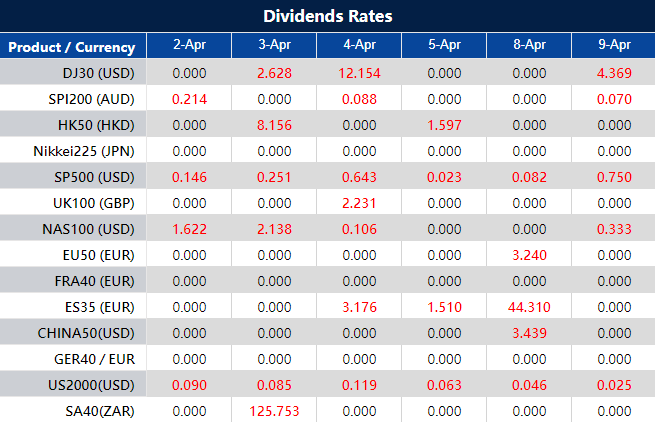
Dividend Adjustment Notice – April 2, 2024

Dear Client,

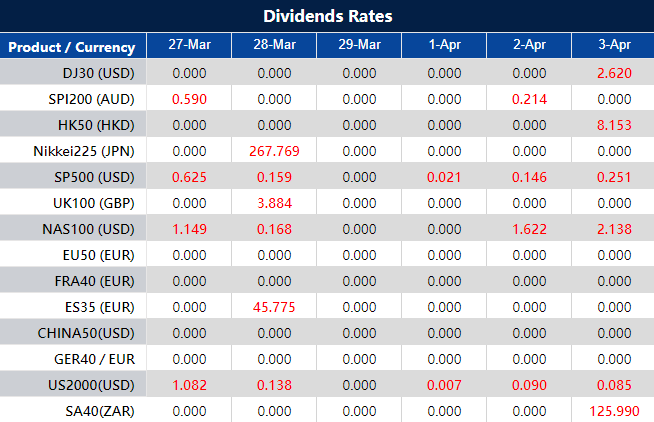
Please note that the dividends of the following products will be adjusted accordingly. Index dividends will be executed separately through a balance statement directly to your trading account, and the comment will be in the following format “Div & Product Name & Net Volume ”.

Please refer to the table below for more details:

The above data is for reference only, please refer to the MT4/MT5 software for specific data.

If you’d like more information, please don’t hesitate to contact info@vtmarkets.com.

A Complete FAQ on VT Forex Markets For Traders

What is the forex market?

The forex (FX) market, the world’s largest financial marketplace, facilitates the exchange of currencies by a diverse array of participants, including individuals, companies, and governments. Unlike stock or bond markets, the forex market operates 24/7 across different financial centers globally, moving from Sydney to Tokyo, then to London, Frankfurt, and New York.

With a daily turnover of $5.3 trillion, it dwarfs other financial markets. The accessibility of forex trading through brokers like VT Markets makes it a viable option for retail traders, offering the potential for profitability alongside institutions.


Why trade forex?

Forex trading, often misunderstood as risky, can be a lucrative endeavor with proper education and risk management. It boasts several advantages over traditional stock and other market trading due to its ease of entry, cost-effectiveness, and the flexibility to trade anywhere, anytime.

Forex trading allows participation in a global market that is liquid around the clock, presenting opportunities for profit in rising and falling markets through long and short positions. VT Markets offers a demo account for beginners to start their forex trading journey.


What are the forex trading sessions?

Forex operates in sessions that correspond to business hours in different parts of the world, making the market highly liquid throughout the day. These sessions are Sydney, Tokyo, London, Frankfurt, and New York. Trading specific currency pairs during their corresponding sessions can yield better opportunities.

Overlapping sessions often see increased liquidity and movement, providing optimal trading times. However, all moves are not equal, and traders should consider liquidity and session timing when planning trades.

Sydney Session – Open 9.00PM / Close 5.00AM

Tokyo Session – Open 11.00PM / Close 7.00AM

Frankfurt Session – Open 7.00AM / Close 3.00PM

London Session – Open 8.00AM / Close 4.00PM

New York Session – Open 1.00PM / Close 9.00PM


What are currency pairs?

In forex, currencies are traded in pairs, such as the EUR/USD or GBP/USD, with each currency’s value measured against the other. The most traded pairs, known as majors, involve the USD. Minors and exotics are pairs that do not include the USD or involve less commonly traded currencies, respectively.

The relationship between pairs can influence trading strategies, with traders needing to understand how pairs move in relation to each other and global economic trends.


Types of currency pairs:

Currency pairs are categorized into majors, minors, and exotics, with majors being the most liquid and widely traded pairs involving the USD. Minors include non-USD pairs, and exotics pair a major currency with a currency from a smaller or emerging economy. Each type has different characteristics and liquidity, affecting spreads and trading strategies.


Going long & going short:

Forex trading allows for profiting from both rising and falling markets. Going long means buying a currency pair to sell at a higher price, while going short involves selling a currency pair to buy back at a lower price. This flexibility is a key advantage of forex trading, enabling traders to speculate on market movements in any direction.


Lot size and leverage:

Forex trades are conducted in standardized units called lots. Leverage allows traders to control larger positions with a smaller amount of actual capital, increasing potential profits but also amplifying risks. VT Markets offers leverage, enabling traders to enter the market with reduced capital requirements.


What is a forex Pip?

A pip is a standardized unit of change in a currency pair’s price, representing the smallest amount a price can change. Typically, a pip is equivalent to a 0.0001 change in value for most pairs. Calculating the value of a pip is essential for managing risk and determining potential profit or loss.


How to calculate the value of a Pip?

Pip value calculations depend on the currency pair traded, the size of the trade, and the currency account. The value can vary based on whether the USD is the base or quote currency or if a different currency accounts for the trade. Understanding pip values is crucial for effective risk management in forex trading.

When calculating pip value in forex trading, it’s crucial to understand how currency pairs and account denominations affect the value of a pip. Here’s a simplified explanation:

1. USD as the Quote Currency (e.g., EUR/USD):

  • USD Account:
    • Formula: Pip Value = 0.0001 x Units
    • Example: With a $5,000 USD account, if you go long on 25,000 units of EUR/USD, the pip value is $2.50 (0.0001 x 25,000 = $2.50).
  • Non-USD Account (e.g., AUD Account):
    • Formula: Pip Value = 0.0001 x Units / AUDUSD exchange rate
    • Example: With a $5,000 AUD account going long on 25,000 EUR/USD, if AUDUSD is 0.7150, pip value is approximately $3.50 after conversion (0.0001 x 25,000 / 0.7150 = $3.50).

2. USD as the Base Currency (e.g., USD/CHF):

  • USD Account:
    • Formula: Pip Value = 0.0001 x Units / USDCHF exchange rate
    • Example: A $5,000 USD account going long on 25,000 USD/CHF results in a pip value of approximately $2.52 (0.0001 x 25,000 / 0.9915 = $2.52).
  • Non-USD Account (e.g., AUD Account):
    • Formula: Pip Value = 0.0001 x Units / (USDCHF x AUDUSD exchange rate)
    • Example: With a $5,000 AUD account going long on 25,000 USD/CHF, if the AUDUSD rate is 0.7150, the pip value is approximately $3.52 after conversion.

3. Trading a Pair Without USD (e.g., EUR/GBP for a USD Account):

  • Formula: Pip Value = 0.0001 x Units x GBPUSD exchange rate.
  • Example: With a $5,000 USD account going long on 25,000 EUR/GBP, if GBPUSD is 1.4350, pip value is approximately $3.59 after conversion.

This breakdown simplifies how to calculate pip value based on whether your account is in USD or another currency, and depending on whether USD is the quote or base currency in the pair you’re trading. It’s important for managing risk and understanding potential profit or loss from your trades.


Types of Forex Orders:

Forex orders define your entry and exit strategy in the market. There are several types, but the most common include:

  • Market Orders: Instantly executed at the current market price, perfect for quick decisions.
  • Stop Orders: Placed to buy above the market or sell below it, useful for capturing breakouts or continuing trends without constant monitoring.

Understanding Forex Swap:

Forex swap involves an interest fee paid or charged at the end of each trading day based on your positions. It can work in your favor (positive swap) or against you (negative swap). Smart traders can profit from these swaps by engaging in carry trades, where they exploit the interest rate differences between currencies.


Risk: Reward and Win Rates:

Successful forex trading hinges on either having a high win rate or a favorable risk-reward ratio, ideally both. This means winning more often than losing or ensuring your wins outsize your losses. This balance is critical for long-term profitability.


Trading Event Risk:

Event risk refers to market movements triggered by unexpected events such as natural disasters, political unrest, or major news headlines. Staying informed and being able to adapt quickly is key to managing these risks.


Simplified FAQ:

Placing Trades: Choose between market and stop orders based on your strategy and the speed at which you need to enter or exit the market.

Earning from Forex Swap: Yes, by strategically selecting currency pairs for their interest rate differentials, you can earn from swaps, especially with carry trades.

Importance of Risk-Reward: Aim for a strategy that either wins more often or wins more on each trade than it loses. Balancing this is crucial for success.

Handling Event Risk: Keep abreast of global events and be ready to adjust your trades. Use tools like stop-loss orders to minimize potential losses.

Understanding these elements of forex trading can significantly enhance your market strategy, allowing you to seize opportunities while effectively managing risks. Always continue learning and stay updated with market news.


How can I start trading with VT Markets?

To begin trading forex with VT Markets, prospective traders can open a demo account to practice trading strategies in real-market conditions without risk. This initial step is highly recommended for gaining familiarity with forex market dynamics and the trading platform. Ready to dive into forex trading? Open a demo account with VT Markets today and explore the possibilities of the forex market.


Need More Details?

Feel free to reach out to our support team for additional help or visit vtmarkets.net/faq for a detailed FAQ on our offerings. You can also explore our help center for more insights.


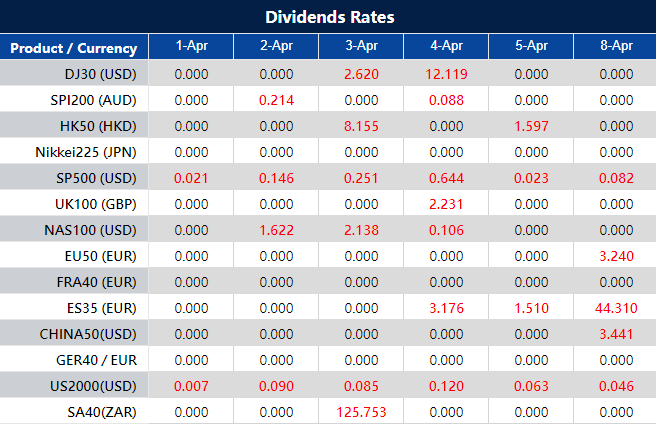
Dividend Adjustment Notice – April 1, 2024

Dear Client,

Please note that the dividends of the following products will be adjusted accordingly. Index dividends will be executed separately through a balance statement directly to your trading account, and the comment will be in the following format “Div & Product Name & Net Volume ”.

Please refer to the table below for more details:

The above data is for reference only, please refer to the MT4/MT5 software for specific data.

If you’d like more information, please don’t hesitate to contact info@vtmarkets.com.

Week ahead: Market focus on US jobs report

As the world’s economies continue to navigate the post-pandemic landscape, key indicators from the United States, Switzerland, and Canada offer insights into the ongoing recovery and challenges faced by various sectors. The upcoming weeks are set to deliver pivotal data on services sector performance, inflation rates, and employment changes that will shed light on the economic direction of these countries. Below, we delve into the specifics of each report and what analysts are anticipating.

U.S. ISM Services PMI Takes a Slight Dip

In the United States, the Institute for Supply Management (ISM) Services Purchasing Managers’ Index (PMI) saw a slight decline to 52.6 in February 2024, down from a four-month peak of 53.4 in January. This metric is crucial as it reflects the health of the services sector, which constitutes a significant portion of the U.S. economy. The anticipated PMI for March, set to be unveiled on 2 April 2024, is expected to hold steady at 52.6, signaling continued expansion in the services sector, albeit at a tempered pace.

Switzerland’s Inflation Rate on the Rise

Moving to Europe, Switzerland reported an uptick in its inflation rate to 0.6% in February 2024, a significant jump from the 0.2% recorded in the preceding month. This increase was primarily driven by higher costs for housing rentals and air transport. Analysts are closely watching the Swiss economy and forecast a further inflation rise of 0.3% for March 2024, with the official figures scheduled for release on 4 April 2024. This gradual increase in inflation could signal a strengthening consumer demand and economic activity in the country.

Canadian Employment Figures Show Growth

In Canada, the employment landscape showed positive momentum with the addition of 40.7K jobs in February 2024, an improvement over the 37.3K jobs added in January. However, the unemployment rate edged higher to 5.8% in February, up from 5.7% the month before. The focus now turns to the March 2024 employment report, expected on 5 April 2024. Analysts predict a more modest job growth of 25K, with unemployment anticipated to tick slightly higher to 5.9%. These figures suggest that while the job market remains robust, it faces headwinds that could moderate growth.

U.S. Job Market Shows Resilience Amidst Challenges

Lastly, the U.S. job market continued to demonstrate resilience with the economy adding 275K jobs in February 2024, surpassing the revised figure of 229K in January. Despite this strong job growth, the unemployment rate increased to 3.9%, the highest level since January 2022. Looking ahead to March 2024, analysts are forecasting the addition of 200K jobs, with the unemployment rate expected to remain steady at 3.9%. The upcoming jobs report, due on 5 April 2024, will be crucial in assessing whether the U.S. labor market can sustain its momentum amidst economic uncertainties.

As these economic indicators unfold, they will provide valuable insights into the health and trajectory of the global economy. Stakeholders, from policymakers to investors, will be watching closely to gauge the effectiveness of current economic policies and to strategize for the future amidst a landscape of ongoing challenges and opportunities.

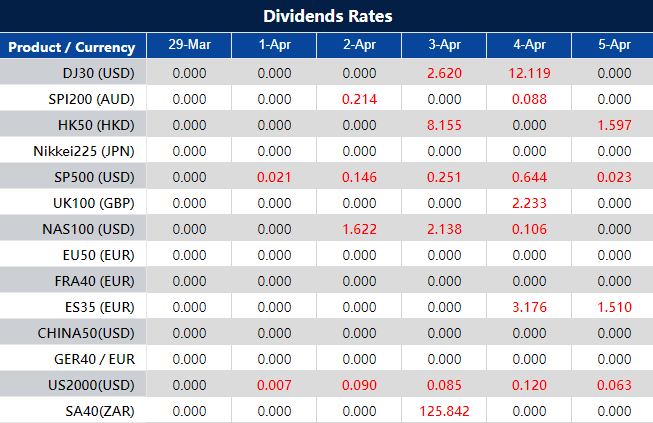
Dividend Adjustment Notice – March 29, 2024

Dear Client,

Please note that the dividends of the following products will be adjusted accordingly. Index dividends will be executed separately through a balance statement directly to your trading account, and the comment will be in the following format “Div & Product Name & Net Volume ”.

Please refer to the table below for more details:

The above data is for reference only, please refer to the MT4/MT5 software for specific data.

If you’d like more information, please don’t hesitate to contact info@vtmarkets.com.

Notification of Trading Adjustment in Holiday – March 29, 2024

Dear Client,

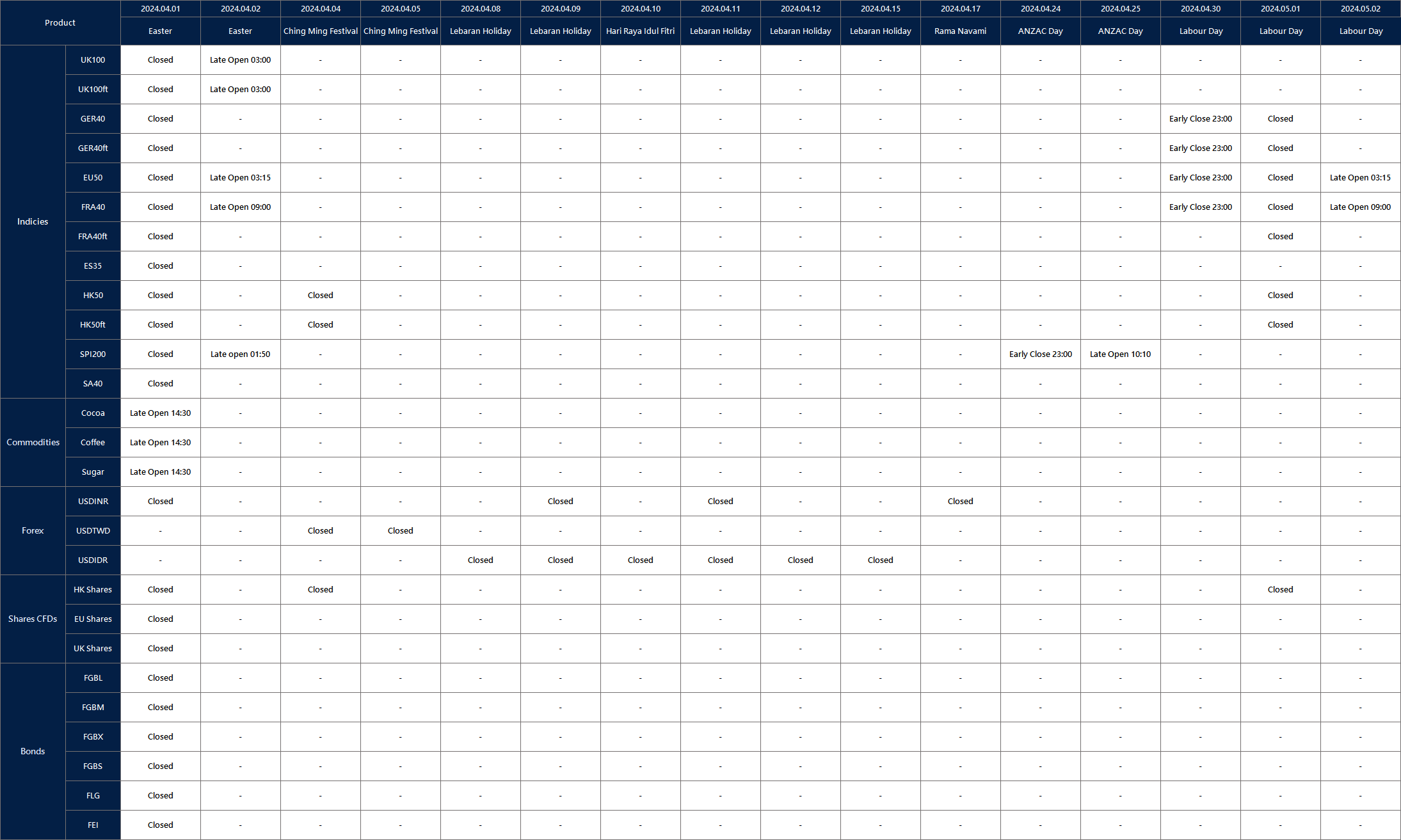
Affected by international holidays, the trading hours of some VT Markets products will be adjusted. Please check the following link for the remaining affected products:

Notification of Trading Adjustment in Holiday

Note: The dash sign (-) indicates normal trading hours.

Friendly Reminder:
The above data is for reference only, please refer to the MT4/MT5 software for specific data.

If you’d like more information, please don’t hesitate to contact info@vtmarkets.com.

10 best trading strategies in 2024 

Navigating the world of trading can feel like entering a maze without a map. But fear not, with the right strategies in your toolkit, you can confidently manoeuvre through the markets and seize opportunities for profit. 

In this guide, we’ll break down the top 10 trading strategies that are currently making waves in the forex markets in 2024, to help you level up your trading game. 

1. Riding the trend: Trend following strategies 

Picture yourself catching a wave at the beach – you want to ride it as far as it takes you, right? That’s the idea behind trend following. Simply put, it means hopping on board with the market’s momentum. Think of it like joining a parade that is already in full swing. By using tools like moving averages and moving average convergence/divergence indicator (MACD), you can spot the direction the market is heading and hop on for the ride. 

2. Staying in the zone: Range trading strategies 

Ever noticed how some stocks seem to bounce between certain price levels like they are stuck on a trampoline? That’s what we call a “range.” Range trading involves buying low and selling high within these predictable boundaries. It’s like playing ping pong – you wait for the ball to bounce off one side before smacking it back the other way. With indicators like Bollinger Bands and relative strength index (RSI), you can pinpoint these sweet spots and make your moves accordingly. 

3. Breaking out: Breakout trading strategies 

Breakout trading involves capitalising on significant price movements that occur when the price breaks out of a predefined range or consolidation phase. Consider a scenario where a stock has been trading in a tight range for an extended period. As the price breaks above the resistance level with high volume, breakout traders may enter long positions to capitalise on the upward momentum. Effective entry and exit strategies, combined with proper risk management, are essential for successful breakout trading. 

4. Snatching quick wins: Scalping strategies 

Sometimes, you don’t need to swing for the fences – a bunch of base hits can add up just fine. That’s the philosophy behind scalping. It’s all about making lightning-fast trades to capture tiny price movements. It’s like playing a game of whack-a-mole – you see a chance, you take a swing, and you move on to the next opportunity. With the right tools and a speedy execution, you can rack up profits in no time. 

5. Catching the swing: Swing trading strategies 

Swing trading is like the Goldilocks of trading – not too fast, not too slow, just right. Instead of aiming for quick wins or long-term investments, you’re looking to capture the “swings” in the market. It’s like catching waves at the beach – you wait for the right one to come along, hop on, and ride it until it fizzles out. With tools like Fibonacci retracements and stochastic oscillators, you can identify these potential waves and hop on for the ride. 

6. Reading the market: Price action strategies 

Have you ever watched a movie without sound and still understood what was happening? That’s the essence of price action trading – it’s all about reading the story that price movements tell, without relying on indicators or fancy tools. Price action traders focus on candlestick patterns, support and resistance levels, and price structure to make trading decisions. It’s like deciphering a secret code – once you understand the language of price action, you can anticipate market movements with uncanny accuracy. 

7. Playing the rebound: Mean reversion strategies 

What goes up must come down – and vice versa. That’s the idea behind mean reversion. When a stock strays too far from its average price, it tends to snap back like a rubber band. It’s like playing tug-of-war – when one side pulls too hard, the rope snaps back the other way. By using indicators like Bollinger Bands and RSI, you can spot these overbought or oversold conditions and make your move before the price rebounds. 

8. Riding the momentum: Momentum trading strategies 

When the wind is at your back, why fight it? That’s the philosophy behind momentum trading. It’s all about hopping on board with the market’s strongest movers and letting them carry you to profits. It’s like catching a gust of wind with a sailboat – you hoist your sails, and off you go. With indicators like MACD and RSI, you can identify these momentum shifts and ride the wave to potential gains. 

9. News flash: News trading strategies 

Ever heard the saying, “buy the rumour, sell the news”? That’s the essence of news trading. When big news hits the market, it can cause prices to swing wildly. It’s like trying to predict the weather – you see the storm clouds gathering, and you prepare accordingly. By staying informed and reacting swiftly to market-moving events, you can position yourself to capitalise on these sudden shifts in sentiment. 

10. Letting robots do the work: Algorithmic trading strategies 

Who says you have to do all the heavy lifting yourself? With algorithmic trading, you can put your trading on autopilot and let the robots do the work for you. It’s like having a personal assistant who never sleeps – they’re always on the lookout for opportunities and ready to pounce. By designing algorithms based on proven strategies like trend following and statistical analysis, you can take emotion out of the equation and trade with precision and discipline. 

In conclusion, mastering forex trading doesn’t have to be rocket science. By incorporating these 10 essential strategies into your trading arsenal, you can navigate the markets with confidence and seize opportunities for profit. Remember, success in trading isn’t about luck – it’s about having the right tools, the right mindset, and the right strategies. So go ahead, take the plunge, and start putting these strategies to work for you. Your journey to becoming a successful trader starts now!

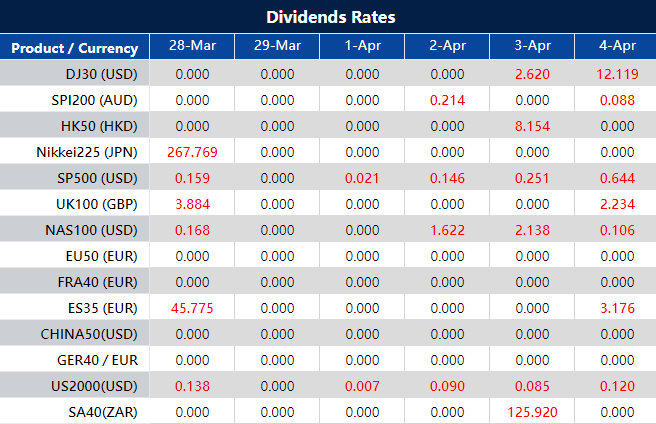
Dividend Adjustment Notice – March 28, 2024

Dear Client,

Please note that the dividends of the following products will be adjusted accordingly. Index dividends will be executed separately through a balance statement directly to your trading account, and the comment will be in the following format “Div & Product Name & Net Volume ”.

Please refer to the table below for more details:

The above data is for reference only, please refer to the MT4/MT5 software for specific data.

If you’d like more information, please don’t hesitate to contact info@vtmarkets.com.

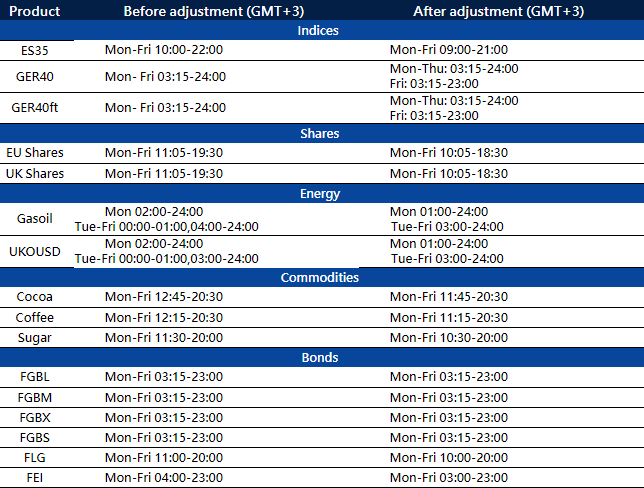
Notification of Trading Adjustment – March 27, 2024

Dear Client,

Starting from March 31, 2024, the trading hours of some MT4/MT5 products will change due to the upcoming Daylight Saving Time change in the EU/UK.

Please refer to the table below outlining the affected instruments:

The above information is provided for reference only; please refer to the MT4/MT5 software for specific data.

If you’d like more information, please don’t hesitate to contact info@vtmarkets.com.

Dividend Adjustment Notice – March 27, 2024

Dear Client,

Please note that the dividends of the following products will be adjusted accordingly. Index dividends will be executed separately through a balance statement directly to your trading account, and the comment will be in the following format “Div & Product Name & Net Volume ”.

Please refer to the table below for more details:

The above data is for reference only, please refer to the MT4/MT5 software for specific data.

If you’d like more information, please don’t hesitate to contact info@vtmarkets.com.

Back To Top
server

Hello there 👋

How can I help you?

Chat with our team instantly

Live Chat

Start a live conversation through...

  • Telegram
    hold On hold
  • Coming Soon...

Hello there 👋

How can I help you?

telegram

Scan the QR code with your smartphone to start a chat with us, or click here.

Don’t have the Telegram App or Desktop installed? Use Web Telegram instead.

QR code