What is Leverage in Trading?

What Is Leverage in Trading and How Does It Work?

This article delves into the concept of leverage in trading, elucidating how it functions, its advantages and inherent risks, and the strategies traders can employ to manage these risks effectively. Whether you’re a novice trader seeking foundational knowledge or an experienced investor aiming to refine your approach, grasping the nuances of leverage is crucial for informed and strategic trading decisions.​

What is Leverage?

Leverage is a financial tool that allows traders to control a larger position in the market with a smaller amount of capital. In simple terms, leverage lets you borrow money from a broker to trade a position much larger than your deposit. This can magnify both potential profits and losses. Leverage in trading is commonly used in various markets, such as forex, stocks, and commodities, to increase exposure without needing to tie up significant amounts of capital.

What is Leverage in Trading?

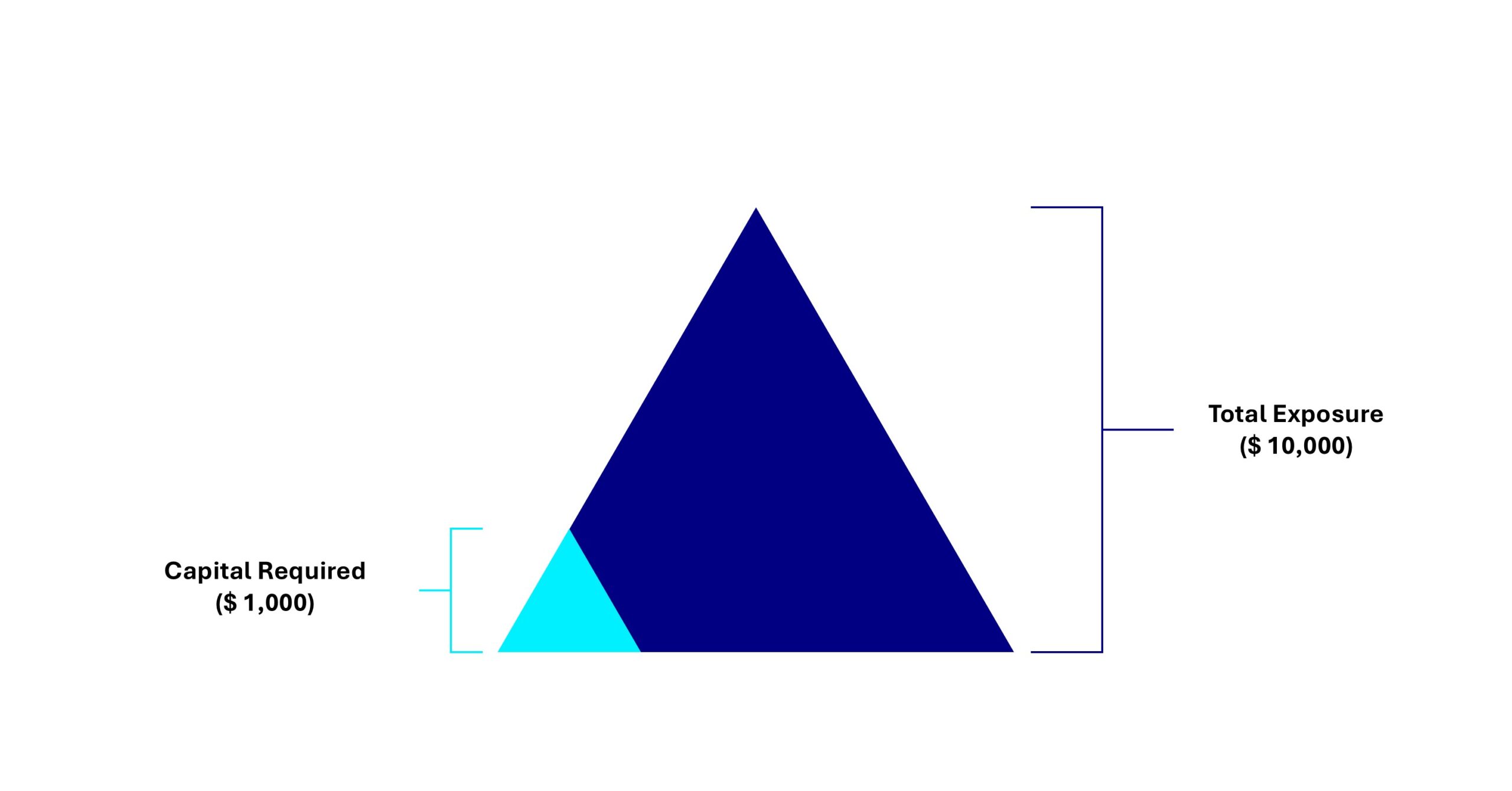
Leverage is essentially a loan provided by a broker that enables you to trade a larger position than your account balance would otherwise allow. For example, with a leverage ratio of 1:10, a trader can control a $10,000 position with just $1,000 of their funds. In contracts for difference (CFDs), leverage trading is commonly used to maximise potential profits by controlling more significant trades with a smaller capital outlay.
How Does Leverage Trading Work?

In leverage trading, you are required to deposit a margin, which is a percentage of the total value of the position you wish to control. The broker then lends you the remaining amount needed to open a larger position. For example, if a trader wants to trade $10,000 worth of a currency pair and the broker offers a 1:10 leverage ratio, they would need to deposit just $1,000 to control the full position.

Leveraged vs Unleveraged 

Leveraged with Example 

With leverage trading, you only need to pay a small portion of the total value of the trade, while the broker covers the rest. This allows you to control a larger position with a smaller initial investment.

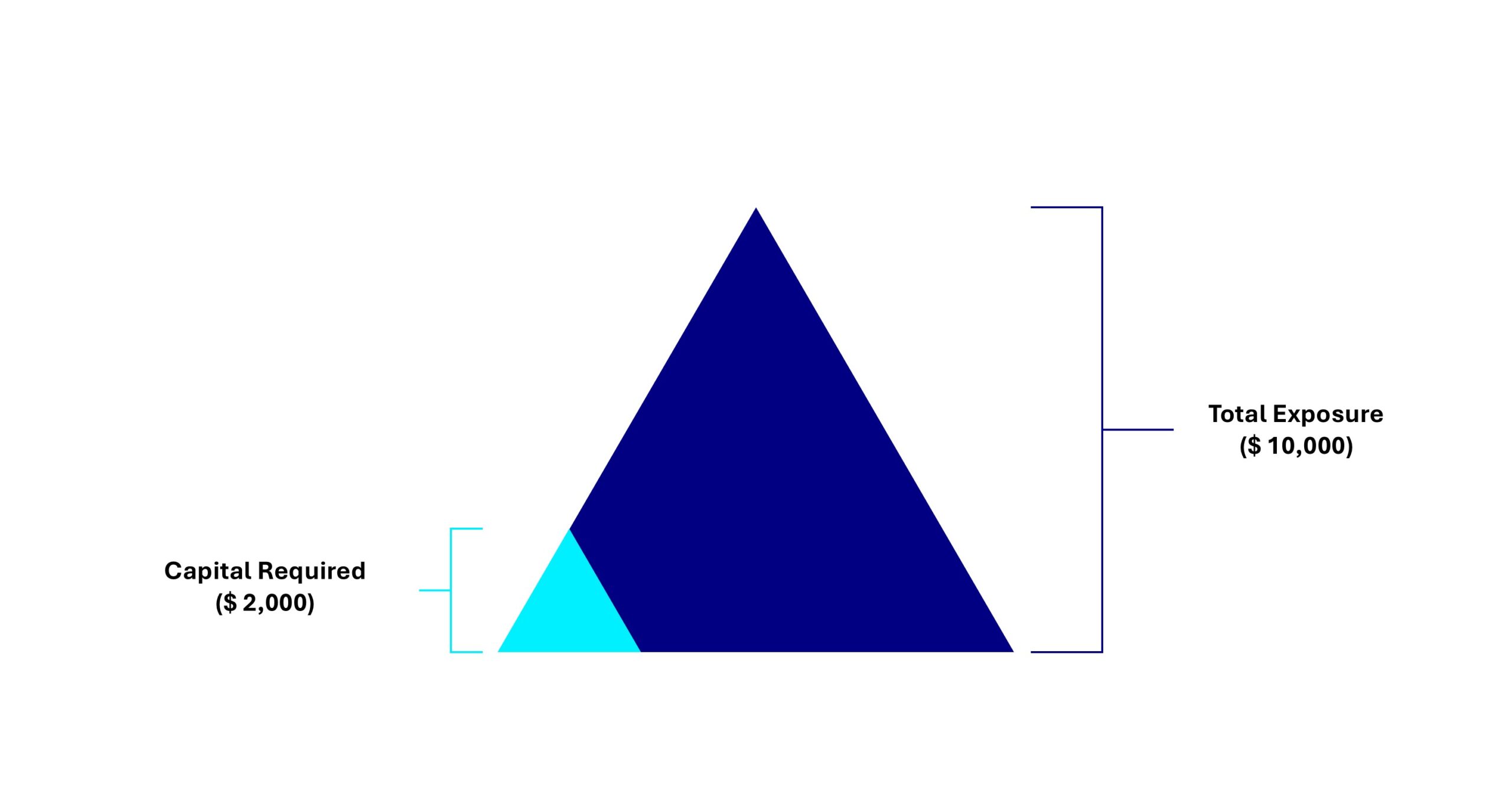
For example, let’s say you want to buy 1,000 shares of a company, and the price per share is $10. The total cost to open this trade would be $10,000 (1,000 shares x $10).

However, with leverage, you don’t need to pay the full $10,000 upfront. If the broker offers a 20% margin, you would only need to deposit $2,000 to open the position. This means you’re using leverage in trading to control a $10,000 position with just $2,000 of your capital.
leveraged

If the price goes up:
If the share price rises by $2, to $12 per share, the value of your position increases to $12,000 (1,000 shares x $12). When you sell, you would make a $2,000 profit ($12,000 – $10,000), which is 100% of your initial $2,000 investment.

If the price goes down:
If the share price drops by $2, to $8 per share, the value of your position decreases to $8,000 (1,000 shares x $8). When you sell, you’d make a $2,000 loss ($10,000 – $8,000), which is 100% of your initial $2,000 investment.

In leveraged trading, your potential profits and losses are much higher than the amount you’ve invested, as they are based on the full value of the position.

Unleveraged with Example

In unleveraged trading, you need to deposit the full amount upfront to open the position. This means your risk is directly tied to the amount you’ve invested.

For example, let’s say you want to buy 1,000 shares at $10 per share. You would need to pay the full $10,000 to open the position. There’s no borrowing involved, so you’re using your own money to control the entire position.
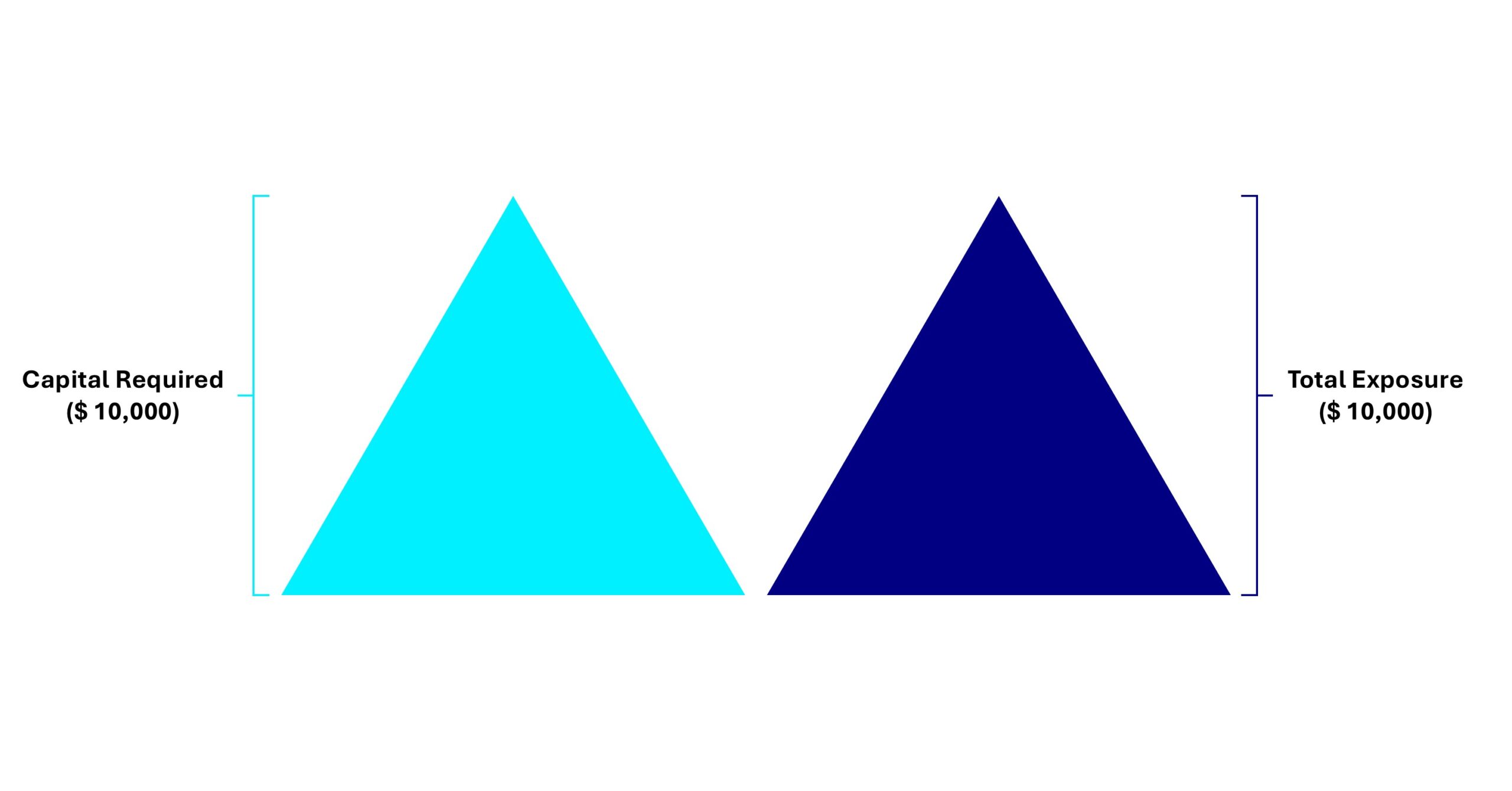
unleveraged

If the price goes up:
If the share price rises by $2, to $12 per share, your position is now worth $12,000 (1,000 shares x $12). You’d make a $2,000 profit ($12,000 – $10,000), which is 20% of your initial $10,000 investment.

If the price goes down:
If the share price drops by $2, to $8 per share, your position is now worth $8,000 (1,000 shares x $8). You’d make a $2,000 loss ($10,000 – $8,000), which is 20% of your initial $10,000 investment.

With unleveraged trading, your profit or loss is directly tied to the amount you invested, so while the potential gains or losses are smaller, your risk is also lower.

4 Benefits of Using Leverage in Trading

1. Increased Potential for Profit

Leverage can significantly amplify profits when the market moves in your favour. A small price movement on a large position can result in higher returns than trading without leverage. For example, using leverage in forex trading allows you to capitalise on currency fluctuations with a smaller initial investment.

2. Lower Capital Requirements

Leverage allows you to enter larger trades without needing to commit a large amount of capital upfront. This can help diversify your portfolio, as you can open multiple positions while still managing your available funds.

3. Access to More Markets

Leverage opens up the possibility of trading more expensive instruments, such as commodities or indices, which may otherwise be out of reach due to their higher price points. This increases your ability to profit from a broader range of market movements.

4. Flexibility in Trading

Leverage enables traders to enter the market with more flexibility, as it reduces the need for significant capital. This makes it easier to take advantage of short-term opportunities and create strategies that involve larger market positions.

4 Drawbacks of Using Leverage in Trading

1. Amplified Losses

Just as leverage can amplify profits, it can also magnify losses. A small unfavourable market movement can result in significant losses, and if your margin drops below the required level, the broker may issue a margin call or close your position automatically.

2. Increased Risk of Margin Calls

If the market moves against your position and your equity falls below the required margin, you may face a margin call. This means you’ll need to deposit additional funds to maintain your position, or your trade will be automatically closed.

3. Overtrading

With leverage, traders may be tempted to open larger positions than their capital would otherwise allow, leading to overtrading. This increases the risk of large losses and can result in excessive exposure to market volatility.

4. Potential for Emotional Trading

The amplified nature of leveraged trading can also lead to emotional decision-making. Traders may become overconfident when winning or overly fearful of losses, which can interfere with disciplined trading strategies.

What Markets can You Trade with Leverage in VT Markets?

VT Markets offers the opportunity to trade a wide range of markets with leverage, allowing you to maximise your exposure with a smaller capital investment. Below are the key markets available for leverage trading:

1. Forex

VT Markets offers over 40 forex pairs, including major forex pairs such as EUR/USD, GBP/USD, and USD/JPY, giving traders ample opportunities to diversify their portfolio.

2. Indices

VT Markets offers traders access to the most liquid global stock exchange indices, such as the S&P 500, Dow Jones Industrial Average (DJ30), and DAX 40 (GER40).

3. Energies

VT Markets offers a range of energy commodities, including crude oil and natural gas, to gasoline and gasoil.

4. Precious Metals

With VT Markets, you can trade precious metals, including gold, silver, platinum, palladium, and copper.

5. Soft Commodities

VT Markets enables traders to master soft commodity trading by providing access to a wide range of soft commodity contracts through the MetaTrader 4 platform, including cocoa, coffee, cotton, orange juice, and raw sugar.

6. ETFs (Exchange-Traded Funds)

VT Markets offers CFD trading on 51 ETFs, enabling speculation on underlying asset price movements.

7. CFD Shares

VT Markets facilitates access to over 800 top companies from the US, UK, EU, and Hong Kong stock exchanges

8. CFD Bonds

At VT Markets, bond trading through CFDs offers a streamlined way to speculate on these underlying instruments without the need to own the actual bonds.

Leverage Ratio: Understanding the Numbers

The leverage ratio is a key factor that determines how much capital you can control with a smaller deposit. For example, with a 1:100 leverage ratio, for every $1 you invest, you can control $100 in the market.

Leverage Ratio Capital Required Exposure
1:1$1,000$1,000
1:50$1,000$50,000
1:100$1,000$100,000
1:500$1,000$500,000

Traders must understand how leverage trading works. The higher the leverage, the more exposure you have with a relatively smaller initial capital requirement. However, while leverage in trading offers the potential for higher returns, it equally increases the risk of larger losses. This makes risk management in leveraged positions crucial.

Risk Management in Trading

When using leverage in trading, risk management becomes even more crucial. Some of the best practices for managing risk in leveraged trading include:

1. Using Stop-Loss Orders

A stop-loss order limits your losses by automatically closing a position at a predetermined price. This is vital when leveraged trading since the potential for loss is greater due to the amplified exposure. For example, if you enter a trade with $1,000 and set a stop-loss 5% below your entry, your position will close if the price drops to $950, capping your loss to $50.

2. Position Sizing

Position sizing involves adjusting your trade size to fit your capital and risk tolerance. If you risk only 1% of your capital on each trade, with $10,000 in your account, you’ll risk $100 per trade. This helps you avoid large losses from a single trade.

3. Regular Monitoring

Keep an eye on your leveraged positions. For instance, if you enter a position with 10:1 leverage and the market moves 1% against you, you’d face a 10% loss. By regularly monitoring your trade, you can decide whether to adjust your stop-loss or close the position to prevent further losses.

4. Avoid Overleveraging

Leverage trading can be tempting, but excessive leverage increases risk. Start with lower leverage to avoid excessive risk. For example, using 2:1 leverage means that for every $1 of your own, you control $2 in the market. As you gain experience, you can gradually increase leverage, but it’s essential to understand how much risk you’re willing to take.

In Summary

Understanding what leverage is in trading and how it works is crucial for traders who wish to use it effectively. The right leverage ratio can increase profits, but it also amplifies risk. To maximise benefits while minimising risks, traders must implement strong risk management practices.

Start Leverage Trading with VT Markets

Ready to explore the potential of leverage trading? At VT Markets, we offer competitive leverage ratios across multiple markets. With a user-friendly platform and a commitment to responsible trading, VT Markets is an excellent choice for those looking to explore the benefits and challenges of leverage in trading. Open an account with VT Markets today and start leveraging your trades responsibly!

Not ready to trade live? Build your confidence and hone your skills with the VT Markets demo account—practice trading risk-free today!

Frequently Asked Questions (FAQs) 

1. What is leverage in trading?

Leverage in trading is the ability to control a large position with a relatively small amount of capital. It involves borrowing funds from a broker to increase the potential return on an investment. For example, with 10:1 leverage, a trader can control $10,000 in the market with just $1,000 of their own capital.

2. How does leverage trading work?

In leverage trading, a trader deposits a margin with their broker, which acts as collateral. The broker then lends the trader additional funds to open a larger position. The amount of leverage is expressed as a ratio, such as 10:1 or 100:1, indicating how much larger the trader’s position is compared to their margin.

3. What are the risks of leverage trading?

While leverage can amplify profits, it also increases the potential for significant losses. A small adverse price movement can result in a loss that exceeds the initial margin, leading to a margin call where the trader must deposit additional funds to maintain the position.

4. Can I use leverage in all markets?

Leverage is commonly used in markets like forex, stocks, commodities, and cryptocurrencies. However, the amount of leverage available varies by market and broker, and some markets may have regulatory restrictions on leverage levels.

5. How can I manage risk when using leverage?

To manage risk, traders should use stop-loss orders, diversify their portfolio, and only use leverage levels they are comfortable with. It’s essential to understand the implications of leverage and have a clear risk management strategy in place.

ProFin Expo Saudi

Meet us at Booth 8 at ProFin Expo MENA – Saudi on 11 & 12 December 2024!

Join the premier forex and financial trading event in the MENA region, set against the backdrop of Saudi Arabia’s transformative Vision 2030. As the nation positions itself as a global hub for forex trading beyond oil, ProFin Expo MENA 2024 offers unmatched opportunities for traders, brokers, and fintech leaders to connect, collaborate, and capitalise on this dynamic market.

With a secure regulatory framework provided by the Capital Market Authority, the expo provides a platform to elevate your brand, build influential partnerships, and stay ahead in one of the world’s fastest-growing financial landscapes. Don’t miss your chance to lead in shaping the future of finance in the region.

Key Takeaways:
Global Insights: 20+ expert speakers sharing trends, regulatory updates, and fintech innovations.
Unmatched Networking: Connect with 5,000+ attendees in lounges and dedicated spaces.
Innovative Showcase: Explore cutting-edge fintech solutions and launches from 25+ exhibitors.
Digital Networking Tool: My ProFin Expo CONNECT streamlines meeting planning and engagement.
Empowering Women: Specialized sessions supporting women in finance and fostering inclusivity.

Venue: Riyadh Marriott Hotel – KSA

Date: 11 & 12 December 2024

Traders Fair Hong Kong

Join us at Booth M12-2 at Traders Fair Hong Kong on 14 Dec!

Traders Fair is an yearly international financial events that began in 2018, originating in Asia and rapidly expanding across the globe. Known for its unique approach, Traders Fair merges in-person networking experience with innovative energy of the 21st century.

Hosted in many major financial hubs, Traders Fair attracts financial professionals and industry leaders from around the world. Our Guest Analyst Eyad will be discussing “Advantages of trading Bitcoin products using CFDs and the correlation between Bitcoin and traditional markets.”

Takeaways:
– Networkings with Industry Leaders
– Expert Insights
– Cutting-Edge Solutions
– Interactive Workshops
– Exclusive Offers and Resources

Venue: Crowne Plaza Hong Kong Kowloon East. Tower 5, No. 3 Tong Tak Street, Tseung Kwan O, Hong Kong

Speaking slot: 13:00-13:30

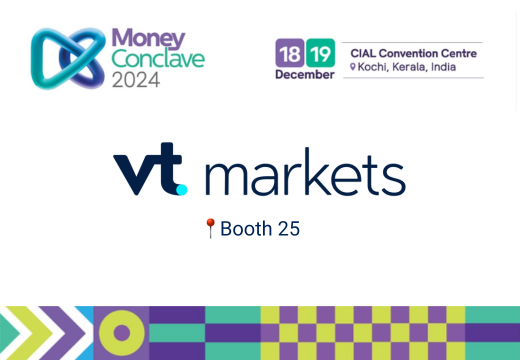
Money Conclave 2024

Join us at Booth 25 at Money Conclave 2024 in Kochi!

Explore the future of finance at Money Conclave 2024, South India’s premier financial summit, taking place on 18-19 December at the CIAL Convention Centre, Kochi. This inaugural edition is set to be a game-changer, uniting industry leaders, investors, and innovators to delve into India’s vibrant financial landscape.

With India among the world’s fastest-growing economies, this event offers unmatched opportunities for growth and collaboration. Money Conclave 2024 is your chance to explore emerging trends, forge impactful connections, and contribute to shaping the financial future.

What to expect:
– Expert Knowledge: Hear from distinguished speakers in finance, technology, and investment.
– Interactive Exhibits: Discover the latest advancements in fintech, sustainable investing, asset management, and more.
– Strategic Networking: Join investor matchmaking sessions, exclusive networking lounges, and curated dinners to build valuable connections.

Visit us at Booth 25 to experience our state-of-the-art financial solutions and connect with our team. Let’s work together to empower traders and navigate the fast-changing financial landscape.

Venue: CIAL Convention Centre, Kochi

Date: 18-19 December 2024

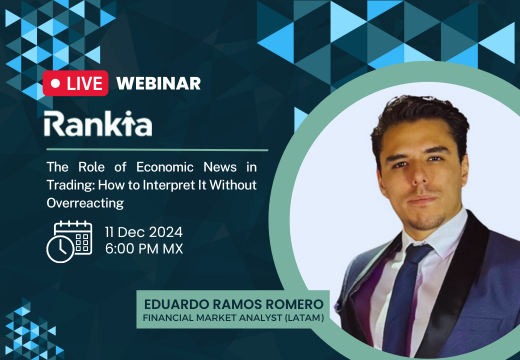
The Role of Economic News in Trading: How to Interpret It Without Overreacting

Join us for an insightful webinar on Wednesday, 11 December, 6 pm (GMT-6)!

The Rankia Markets Experience unites financial experts, investors, traders, and enthusiasts for high-value educational conferences. It offers up-to-date knowledge on financial markets, technical analysis, investment strategies, financial products, and finance technologies. Suitable for both experienced investors and beginners, the event promotes financial education with practical tools and strategies, providing a unique opportunity to learn from top experts and network with peers.

In the upcoming webinar titled “The Role of Economic News in Trading: How to Interpret It Without Overreacting” presented by Eduardo Ramos Romero, the Financial Market Analyst for VT Markets LATAM. In this session, you will learn:
• How to Identify key economic events
• Techniques to filter essential information
• Strategies for applying news insights to your trading

Speaker Background: Eduardo Ramos Romero
• Financial Market Analyst for the LATAM region.
• 7 years of experience in the financial market.
• Held significant roles as the Director of Market Analysis and Senior Market Strategist at two prominent CFD brands.
• A respected speaker and educator, sharing his expertise through courses and media outlets such as El Economista, El Financiero, Bloomberg Middle East, Forbes Colombia, and Expansión.

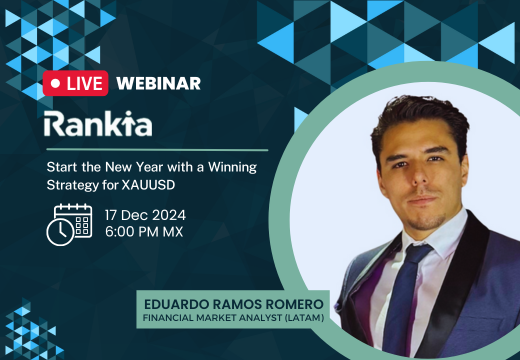
Start the New Year with a Winning Strategy for XAUUSD

Kick off the new year with a winning edge! Join our upcoming webinar on Tuesday, 17 December, 6 pm (GMT-6)!

The Rankia Markets Experience unites financial experts, investors, traders, and enthusiasts for high-value educational conferences. It offers up-to-date knowledge on financial markets, technical analysis, investment strategies, financial products, and finance technologies. Suitable for both experienced investors and beginners, the event promotes financial education with practical tools and strategies, providing a unique opportunity to learn from top experts and network with peers.

In the upcoming webinar titled “Start the New Year with a Winning Strategy for XAUUSD” presented by Eduardo Ramos Romero, the Financial Market Analyst for VT Markets LATAM. You will discover:
• Efficient trading strategies for XAUUSD.
• Risk management techniques to safeguard your Gold investments
• Essential tools and resources to enhance your Gold trading operations

Speaker Background: Eduardo Ramos Romero
• Financial Market Analyst for the LATAM region.
• 7 years of experience in the financial market.
• Held significant roles as the Director of Market Analysis and Senior Market Strategist at two prominent CFD brands.
• A respected speaker and educator, sharing his expertise through courses and media outlets such as El Economista, El Financiero, Bloomberg Middle East, Forbes Colombia, and Expansión.

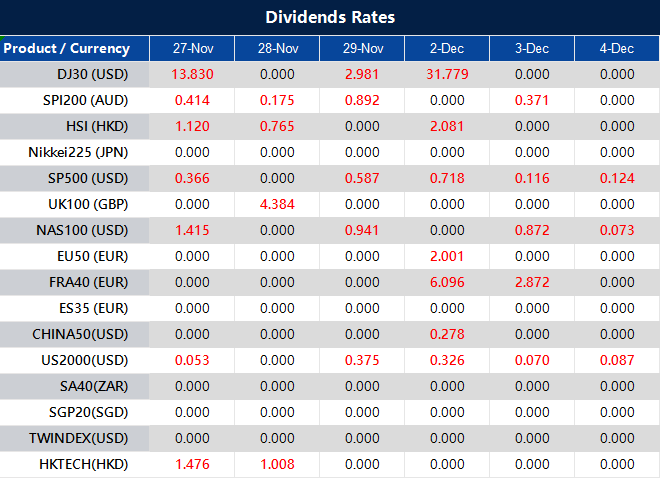
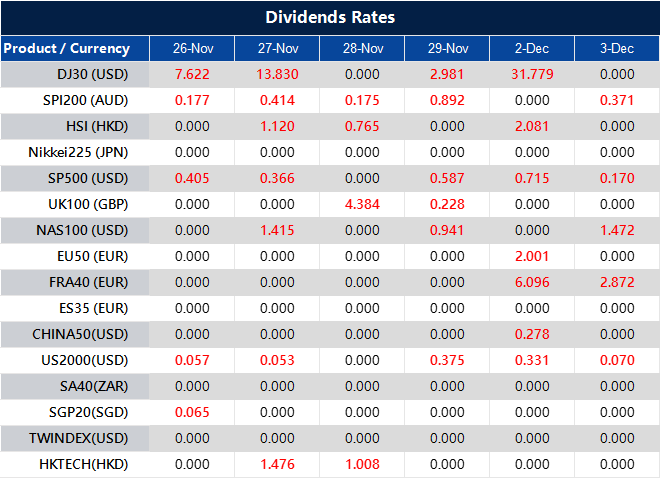
Dividend Adjustment Notice – Nov 27,2024

Dear Client,

Please note that the dividends of the following products will be adjusted accordingly. Index dividends will be executed separately through a balance statement directly to your trading account, and the comment will be in the following format “Div & Product Name & Net Volume”.

Please refer to the table below for more details:

The above data is for reference only, please refer to the MT4/MT5 software for specific data.

If you’d like more information, please don’t hesitate to contact info@vtmarkets.com.

What is CFD Trading and How Does it Work?

Understand What CFD Trading Is and How It Works

In this article, we delve into what CFD Trading is, exploring how it operates, its advantages and risks, and how platforms like VT Markets facilitate this form of trading. Whether you’re a novice trader or looking to expand your trading strategies, understanding CFDs can be a valuable addition to your financial toolkit.

CFD Meaning: What is CFD Trading?

CFD trading, or “Contracts for Difference,” is a popular form of derivative trading that allows market participants to speculate on price movements without owning the underlying asset. Instead of buying or selling a physical asset like a stock or commodity, traders enter into a contract with a broker. This contract reflects the price difference between the opening and closing positions. Simply put, CFD trading focuses on profiting from price changes, whether the market moves up or down. This flexibility has made CFDs a preferred choice for traders seeking opportunities in global markets.

How Does CFD Trading Work?

CFD trading works by enabling traders to “go long” (buy) if they expect prices to rise or “go short” (sell) if they anticipate a price drop. Profits or losses are determined by the difference in the asset’s price between the trade’s opening and closing positions. Additionally, CFDs utilise leverage, allowing traders to control larger positions with a smaller initial margin. While leverage amplifies potential gains, it also increases the risk of significant losses.

Going Long or Going Short:

CFD trading offers traders the ability to profit in both bullish and bearish markets. If a trader expects an asset’s price to increase, they can “go long” by buying a CFD. Conversely, if they expect the price to fall, they can “go short” by selling a CFD. This flexibility makes CFDs ideal for navigating diverse market conditions and hedging other investments.

Leverage and Margin:

A key feature of CFD trading is leverage, which allows traders to control larger positions with a smaller capital outlay, known as margin. For example, with 10:1 leverage, a trader can control a $10,000 position with just $1,000. While leverage increases the potential for higher returns, it also magnifies losses, making risk management crucial.

Profit and Loss Calculation:

The profit or loss in CFD trading is calculated based on the difference between the opening and closing prices of the asset, multiplied by the trade size. For example, if a trader buys gold CFDs at $1,800 and sells at $1,850, the profit is $50 per ounce traded. Conversely, a price drop to $1,750 would result in a $50 loss per ounce.

Example of How CFD Trading Works

Imagine a trader believes the price of gold, currently trading at $1,800 per ounce, will increase. To capitalise on this expectation, they decide to “go long” by purchasing a CFD for gold. They choose a position size of 10 ounces, and their broker requires a 10% margin. This means the trader only needs to deposit $1,800 to control an $18,000 position, thanks to leverage.

If the market moves in their favour (profit):

The price of gold rises to $1,850 per ounce, and the trader decides to close the position. The profit is calculated as:

(Closing Price – Opening Price) x (Position Size)
($1,850 – $1,800) x 10 = $500 profit

If the market moves against them (loss):

The price of gold falls to $1,750 per ounce, and the trader closes the position to limit further losses. The calculation for the loss is:

(Closing Price – Opening Price) x (Position Size)
($1,750 – $1,800) x 10 = -$500 loss

If the trader holds the position overnight, financing fees (often called overnight or swap fees) will apply, which may slightly reduce their profit or increase their loss. This example illustrates how CFDs enable traders to speculate on price movements using leverage, making it possible to control larger market positions with smaller upfront capital. However, it also demonstrates the inherent risk, as both potential gains and losses are amplified by leverage.

What Assets Can You Trade with CFDs?

CFDs provide access to a wide range of financial markets. CFD traders can speculate on the price movements of CFD shares such as Apple, Tesla, and Amazon. Forex CFDs allow the trading of popular currency pairs, such as EUR/USD and GBP/USD, influenced by economic and geopolitical factors. Commodities like gold, oil, and natural gas are also available, often reacting to supply-demand dynamics. Indices like the S&P 500 and FTSE 100 enable traders to trade broader market trends. ETFs, including AGG, ARKB, and QQQ, offer exposure to diversified funds that track sectors, industries, or themes. Cryptocurrencies, including Bitcoin and Ethereum, add diversity to trading portfolios. This wide selection of assets allows traders to diversify their investments from a single platform.

Advantages of CFD Trading 

1. Flexibility in Rising and Falling Markets

CFDs enable traders to profit from both upward and downward price movements. Traders can “go long” if they expect prices to rise or “go short” if they anticipate a decline, making CFDs a versatile tool, especially during volatile market conditions.

2. Leverage for Greater Exposure

With CFDs, traders can open positions by paying only a fraction of the total trade value, known as margin. For instance, a $10,000 position with a 10% margin requirement only requires a $1,000 deposit. However, while leverage can magnify profits, it can also amplify losses.

3. Access to Diverse Global Markets

CFD trading offers access to a wide range of asset classes, including forex, shares, indices, commodities, and cryptocurrencies. This variety makes it easy for traders to diversify their portfolios and explore multiple market opportunities.

4. No Ownership of the Underlying Asset

CFDs allow traders to speculate on price movements without owning the actual asset. This eliminates logistical challenges, such as storage costs for commodities or transfer requirements for shares.

Disadvantages of CFD Trading

1. Amplified Losses Through Leverage

While leverage can enhance profits, it also increases the potential for significant losses. Even small adverse price movements can lead to substantial losses, potentially exceeding the initial deposit.

2. Overnight Holding Costs

Holding CFD positions overnight incurs financing fees, which can accumulate over time and erode profitability. These fees are especially relevant for long-term positions.

3. Volatility Risk

CFDs often involve volatile markets, which can lead to sudden and unpredictable price swings. Without proper safeguards, such as stop-loss orders, traders may face significant losses.

4. No Ownership Benefits

CFD traders do not own the underlying asset, meaning they miss out on benefits such as dividends or voting rights in the case of stock CFDs. For some, this lack of ownership may be a drawback.

How to Become a CFD Trader 

To become a CFD trader, it’s essential to follow these steps. Below is the step-by-step guide to help you start your CFD trading journey:

Step 1: Understand How CFD Works

Before diving into CFD trading and becoming a CFD trader, it’s essential to understand how it works. Familiarise yourself with key concepts such as leverage, margin, and how price movements impact your profit or loss. By building a solid foundation and grasping the intricacies of long and short positions, as well as risk management strategies like stop-loss and take-profit orders, you’ll be better equipped to navigate market complexities and make informed trading decisions.

Step 2: Choose a Regulated Broker

Select a broker regulated by trusted authorities, such as VT Markets, that has FCA and FSCA licenses to ensure a secure trading environment. A reliable broker should offer a user-friendly platform, real-time tools, and access to diverse markets like forex, shares, and commodities.

Step 3: Open a Trading Account

Register an account with VT Markets and complete identity verification and label payment methods. Many brokers also provide demo accounts to practice trading without risk before using real money.

Step 4: Select an Asset to Trade

Choose an asset class that aligns with your knowledge and interests. For instance, if you’re familiar with currency markets, you might opt to trade forex pairs like EUR/USD or GBP/USD. Conduct thorough research on market trends and factors influencing your chosen asset to make informed trading decisions.

Step 5: Use a Trading Strategy

Develop a structured trading plan that includes entry and exit points, stop-loss orders to limit losses, and take-profit levels to lock in gains. Incorporate technical analysis tools to guide your trades and manage risks effectively.

Step 6: Practice Before Trading Live

Utilise a demo account to gain hands-on experience with the trading platform and test strategies in a risk-free environment. This practice helps CFD traders to build confidence and proficiency before committing real funds. Once you are comfortable, you can transition to live trading, starting with small positions to manage risk effectively. 

Risk Management Tools & Strategies in CFD Trading

Managing risk is crucial in CFD trading due to the leverage and market volatility involved. Here are the key risk management tools that CFD traders should utilise:

Stop-Loss Orders

Stop-loss orders automatically close a position when the market reaches a predetermined price level, limiting potential losses. For example, if you set a stop-loss order 10% below your entry price, your trade will close automatically to prevent further loss.

Take-Profit Orders

Take-profit orders are the opposite of stop-losses. They close your position when the asset reaches a target profit level. This helps secure gains before the market reverses and locks in your desired profit.

Position Sizing

Determining the right position size ensures you don’t overexpose your capital. Use tools like the margin calculator provided by your broker to calculate the appropriate trade size based on your account balance and risk tolerance.

Daily Risk Limits

Setting daily risk limits ensures you don’t exceed a certain percentage of your trading account in losses on any given day. This helps maintain capital and avoid emotional trading.

Risk-to-Reward Ratio

Maintaining a balanced risk-to-reward ratio, such as 1:3, helps CFD traders ensure that potential rewards outweigh the risks. For example, for every $1 risked, a target profit of $3 is set, making trades more favourable over the long term.

Hedging Strategies

Traders can use CFDs to hedge other positions. For instance, if you hold a physical stock position, you can take a short CFD position on the same stock to protect against potential downside movements.

Why Trade CFDs with VT Markets?

VT Markets provides a seamless CFD trading experience, offering access to forex, shares, indices, commodities, and cryptocurrencies. With competitive spreads, flexible leverage options, and intuitive trading platforms like MT4 and MT5, VT Markets caters to both beginners and experienced traders. Advanced charting tools, risk management features, and exceptional customer support make VT Markets a trusted partner for CFD trading. Trade now and start your CFD trading journey with VT Markets – your gateway to global financial markets!

Frequently Asked Questions (FAQs)

1. What are CFDs?

CFDs, or Contracts for Difference, are financial derivatives that enable traders to speculate on the price movements of an underlying asset without owning it. The trader enters into a contract with a broker to exchange the difference in the asset’s price from the time the contract opens to when it closes.

2. What is CFD trading?

CFD trading involves entering into a contract with a broker to speculate on the price movement of an asset. Traders can go long (buy) if they expect the price to rise or short (sell) if they anticipate a decline. The profit or loss is determined by the difference between the opening and closing prices of the contract.

3. How does CFD trading work?

In CFD trading, a trader enters into a contract with a broker to speculate on the price movement of an underlying asset. The trader does not own the asset but agrees to exchange the difference in its price from the time the contract is opened to when it is closed. Leverage is often used in CFD trading, allowing traders to control a larger position with a smaller amount of capital.

4. What is a CFD trader?

A CFD trader is an individual who engages in trading Contracts for Difference. These traders speculate on the price movements of various financial instruments, such as stocks, commodities, indices, and currencies, aiming to profit from both upward and downward market trends.

5. How do I become a CFD trader?

To become a CFD trader, follow these steps:

  • Step 1: Understand How CFD Works
  • Step 2: Choose a Regulated Broker
  • Step 3: Open a Trading Account
  • Step 4: Select an Asset to Trade
  • Step 5: Use a Trading Strategy
  • Step 6: Practice Before Trading Live

6. Is CFD trading risky?

Yes, CFD trading involves risk, especially when using leverage. The potential for higher profits comes with the possibility of larger losses. It’s important to use risk management strategies such as setting stop-loss orders and using appropriate leverage to mitigate potential losses.

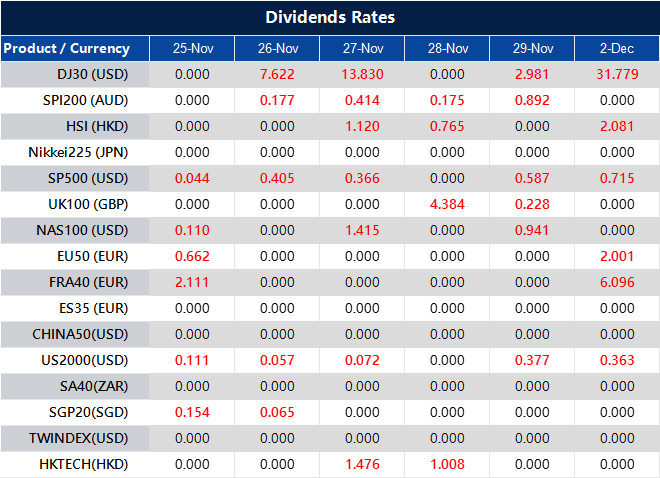
Dividend Adjustment Notice – Nov 26,2024

Dear Client,

Please note that the dividends of the following products will be adjusted accordingly. Index dividends will be executed separately through a balance statement directly to your trading account, and the comment will be in the following format “Div & Product Name & Net Volume ”.

Please refer to the table below for more details:

The above data is for reference only, please refer to the MT4/MT5 software for specific data.

If you’d like more information, please don’t hesitate to contact info@vtmarkets.com.

Dividend Adjustment Notice – Nov 25,2024

Dear Client,

Please note that the dividends of the following products will be adjusted accordingly. Index dividends will be executed separately through a balance statement directly to your trading account, and the comment will be in the following format “Div & Product Name & Net Volume ”.

Please refer to the table below for more details:

The above data is for reference only, please refer to the MT4/MT5 software for specific data.

If you’d like more information, please don’t hesitate to contact info@vtmarkets.com.

Back To Top
server

Hello there 👋

How can I help you?

Chat with our team instantly

Live Chat

Start a live conversation through...

  • Telegram
    hold On hold
  • Coming Soon...

Hello there 👋

How can I help you?

telegram

Scan the QR code with your smartphone to start a chat with us, or click here.

Don’t have the Telegram App or Desktop installed? Use Web Telegram instead.

QR code