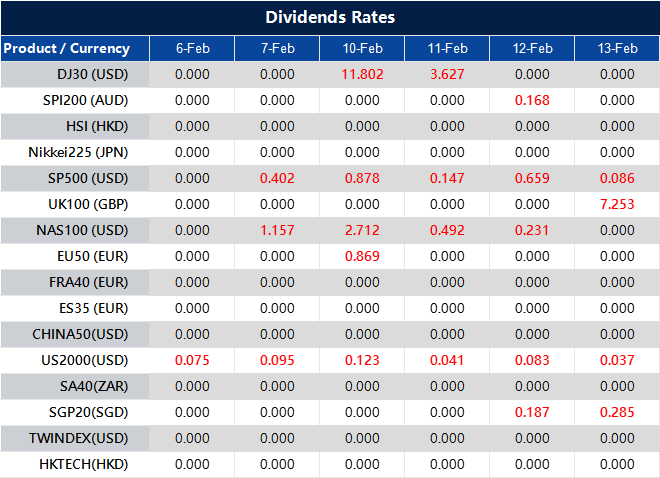
Dividend Adjustment Notice – Feb 06 ,2025

Dear Client,

Please note that the dividends of the following products will be adjusted accordingly. Index dividends will be executed separately through a balance statement directly to your trading account, and the comment will be in the following format “Div & Product Name & Net Volume ”.

Please refer to the table below for more details:

The above data is for reference only, please refer to the MT4/MT5 software for specific data.

If you’d like more information, please don’t hesitate to contact info@vtmarkets.com.

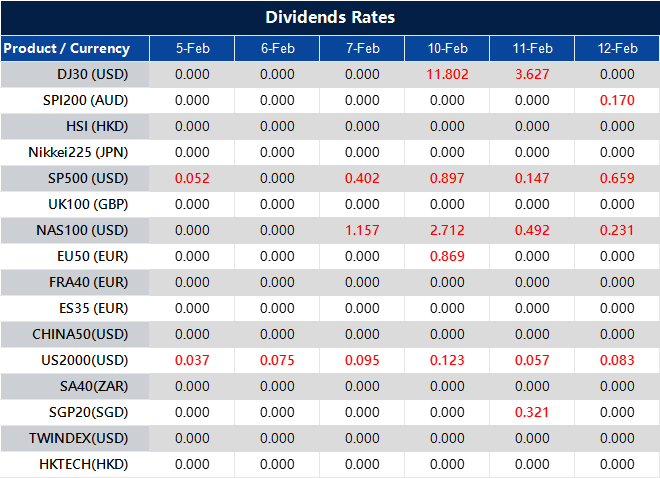
Dividend Adjustment Notice – Feb 05 ,2025

Dear Client,

Please note that the dividends of the following products will be adjusted accordingly. Index dividends will be executed separately through a balance statement directly to your trading account, and the comment will be in the following format “Div & Product Name & Net Volume ”.

Please refer to the table below for more details:

The above data is for reference only, please refer to the MT4/MT5 software for specific data.

If you’d like more information, please don’t hesitate to contact info@vtmarkets.com.

Trading vs Investing: What Are the Key Differences

Trading vs Investing: Key Differences Between Trading and Investing 

Financial markets offer numerous opportunities for individuals to grow their wealth, but deciding between trading vs investing can be challenging. While both involve buying and selling assets, their strategies, risks, and rewards differ significantly. This article explores the key aspects of trading and investing, helping you determine which approach suits your financial goals.

What is Trading?

Trading is the process of actively buying and selling financial assets to profit from price movements. Unlike investing, which focuses on long-term value appreciation, trading is a short-term approach where traders take advantage of market fluctuations within minutes, hours, days, or weeks. The goal of trading is to capitalize on price volatility rather than hold assets for an extended period.

Financial markets are dynamic, and traders must react quickly to market changes, using different strategies and tools to maximize their potential profits. Trading requires a strong understanding of market behavior, risk management, and technical indicators to make informed decisions.

How Traders Execute Trades: 

Traders make decisions based on market trends, technical analysis, and economic factors to determine the direction of an asset’s price. The core principle of trading revolves around two main actions:

Buying (Going Long)

  • Traders buy an asset when they believe its price will rise.
  • If the price increases after buying, traders sell at a higher price to secure a profit.

Example: A trader expects XAUUSD (gold) to rise due to increasing inflation concerns, so they buy gold at $1,950 per ounce and sell at $2,000, making a profit.

Selling (Going Short)

  • Traders sell an asset when they predict a price drop.
  • If the price declines after selling, they can buy it back at a lower price to make a profit.

Example: A trader believes WTI crude oil prices will fall due to excess supply. They sell oil at $80 per barrel and buy it back at $75, securing a profit.

Traders use different strategies and tools such as technical indicators, market news, and historical price patterns to make informed trading decisions. Unlike investors, who hold assets for years, traders frequently enter and exit positions based on short-term opportunities.

What is Investing?

Investing is the process of buying financial assets with the intention of holding them for an extended period to generate wealth over time. Unlike trading, which focuses on short-term market fluctuations, investing is a long-term approach that relies on compounding returns, asset appreciation, and income generation (such as dividends or interest).

Investors typically focus on fundamental analysis, evaluating a company’s financial health, market position, and future growth potential. The goal of investing is to grow capital over years or decades rather than making quick profits from short-term price changes.

How Investors Build Wealth:

Investors make decisions based on economic trends, company performance, and market conditions to determine the best assets to buy and hold for long-term gains. The two main investment strategies are:

Buying and Holding (Long-Term Growth Investing)

  • Investors purchase assets they believe will increase in value over time.
  • They hold these assets for years, even during market downturns, expecting long-term appreciation.

Example: An investor buys Amazon (AMZN) stock at $100 per share in 2010 and holds it for a decade, benefiting from stock price appreciation and dividend payouts.

Income Investing (Generating Passive Income)

  • Investors buy assets that generate regular income, such as dividend-paying stocks, bonds, or ETFs.
  • This strategy provides consistent returns while preserving capital.

Example: An investor buys Coca-Cola (KO) stock, which pays dividends quarterly, providing passive income while the stock price appreciates.

Investing requires patience, risk management, and a long-term vision. Unlike trading, investors do not frequently buy and sell but instead focus on steady portfolio growth over time.

What Are the Key Differences Between Trading and Investing?

AspectTradingInvesting
Time HorizonShort-term (minutes to months)Long-term (years to decades)
Risk LevelHigh due to frequent trades and leverageLower due to long-term approach and diversification
Market AnalysisPrimarily relies on technical indicators and price actionFocuses on fundamental analysis, earnings reports, and macroeconomic factors
Capital GrowthRapid gains but volatileSlow, steady growth
Emotional ControlRequires quick decision-making and emotional disciplineDemands patience, long-term commitment, and resilience during downturns
Transaction CostsHigher due to frequent trading, including spreads, commissions, and overnight feesLower as investors trade less frequently, reducing brokerage costs
Liquidity RequirementsRequires high liquidity since positions are opened and closed frequentlyLess concerned with liquidity as assets are held long-term
Leverage UsageOften involves leverage to increase exposure, amplifying both profits and lossesRarely uses leverage; investors generally fund investments with available capital
Profit StrategyShort-term profits from price fluctuations (buying low, selling high, or short-selling)Long-term value appreciation through capital gains and dividends
Impact of Economic EventsReacts immediately to interest rate changes, inflation data, and geopolitical eventsEconomic factors influence investments over time but do not require immediate action
Financial GoalsSuitable for those seeking quick income and active market participationIdeal for building wealth and financial security over time

Both trading and investing have distinct characteristics that cater to different financial goals. Trading is a short-term approach that focuses on quick profits from market fluctuations, requiring active monitoring, technical analysis, and higher risk tolerance. In contrast, investing is a long-term strategy aimed at steady capital growth through asset appreciation and dividends, relying on patience, fundamental analysis, and lower transaction frequency. Each method has its advantages and challenges, making it essential to choose the one that aligns best with your risk appetite and financial objectives.

Advantages of Trading

  • Quick Profit Potential: Traders can earn profits in a short period by leveraging market volatility.
  • Market Flexibility: Can trade forex, commodities, indices, and stocks across global markets.
  • Profit in Any Market Condition: Traders can go long (buy) or short (sell) depending on market trends.
  • Leverage Opportunities: Allows traders to control larger positions with smaller capital.

Disadvantages of Trading

  • High Risk & Losses: Frequent market fluctuations increase the risk of losses.
  • Emotional Stress: Traders must make fast decisions, which can lead to emotional trading.
  • Requires Active Monitoring: Market conditions change rapidly, demanding continuous attention.
  • Transaction Costs: Frequent trading incurs commissions, spreads, and fees.

Advantages of Investing

  • Wealth Accumulation: Investing helps grow capital over time through compounding.
  • Less Time-Intensive: Investors do not need to monitor markets daily.
  • Dividend Income: Some stocks provide passive income through dividends.
  • Lower Taxes: Long-term investments are taxed at lower capital gains rates.

Disadvantages of Investing

  • Slower Returns: Investors may wait years for significant growth.
  • Market Volatility: Economic downturns can impact long-term holdings.
  • Limited Flexibility: Unlike traders, investors cannot capitalize on short-term market movements.
  • Inflation Risk: Over time, inflation may erode purchasing power if investments do not keep up.

Who Should Trade and Who Should Invest?

Choosing between trading and investing depends on an individual’s financial goals, risk tolerance, and time commitment.

Who Should Trade?

Trading is suitable for individuals who:

  • Prefer short-term opportunities and can actively monitor the markets.
  • Have a higher risk tolerance and can handle market volatility.
  • Enjoy analyzing charts and market trends using technical indicators.
  • Seek to capitalize on frequent price fluctuations to generate quick profits.
  • Have the time and discipline to execute trades and adjust strategies as needed.

Who Should Invest?

Investing is ideal for individuals who:

  • Focus on long-term wealth accumulation and financial security.
  • Prefer lower-risk opportunities with steady returns over time.
  • They are comfortable with market fluctuations and have held assets for years.
  • Want to benefit from dividends, interest, and capital appreciation.
  • Have limited time to manage their portfolio and prefer a passive approach.

Hence, If you thrive in fast-paced environments and enjoy short-term market movements, trading might be for you. However, if you prefer steady growth and a long-term approach, investing could be the better choice. Assessing your financial objectives and risk appetite will help determine the right path.

Conclusion

Both trading and investing have distinct characteristics and cater to different financial goals. Trading focuses on short-term price movements and requires active market participation while investing prioritizes long-term growth through asset appreciation and dividends. The right choice depends on your risk tolerance, time commitment, and financial objectives. Some market participants combine both strategies to balance risk and maximize returns.

Start Trading with VT Markets Today

Ready to take advantage of market opportunities? VT Markets provides a seamless trading experience with tight spreads, fast execution, and advanced trading tools to support your strategy. Whether you’re focusing on short-term trading or looking for long-term investment options, our platform offers access to global markets, forex, commodities, indices, and more.

Trade smarter with VT MarketsSign up today and start your journey!

Frequently Asked Questions (FAQs)

1. Is trading more profitable than investing?

Both trading and investing can be profitable, but trading offers short-term gains while investing provides long-term wealth accumulation.

2. Can I combine trading and investing?

Yes, many market participants use a hybrid strategy, trading short-term while investing in long-term assets.

3. How risky is trading compared to investing?

Trading involves higher risks due to market volatility while investing carries lower risks but requires patience for returns.

4. Why choose VT Markets for trading?

VT Markets provides low spreads, fast execution, and advanced trading tools, making it an excellent choice for traders.

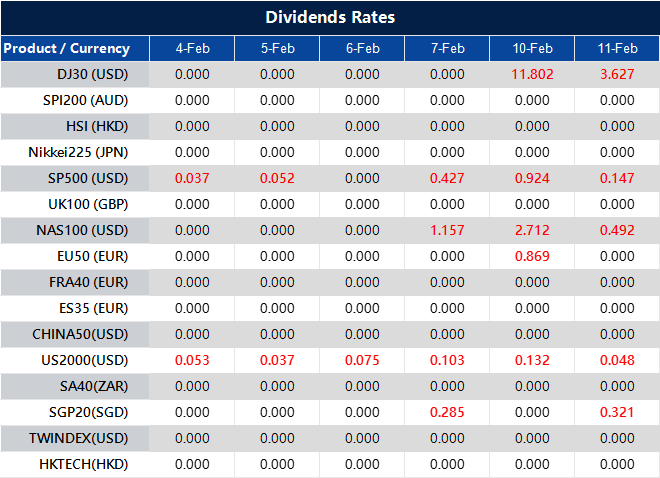
Dividend Adjustment Notice – Feb 04 ,2025

Dear Client,

Please note that the dividends of the following products will be adjusted accordingly. Index dividends will be executed separately through a balance statement directly to your trading account, and the comment will be in the following format “Div & Product Name & Net Volume ”.

Please refer to the table below for more details:

The above data is for reference only, please refer to the MT4/MT5 software for specific data.

If you’d like more information, please don’t hesitate to contact info@vtmarkets.com.

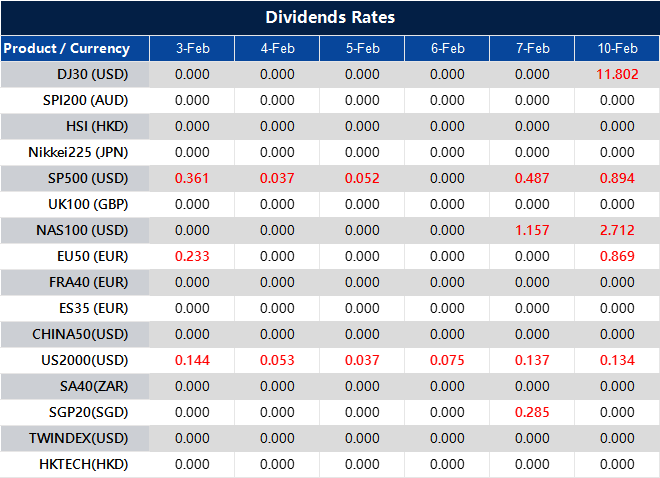
Dividend Adjustment Notice – Feb 03 ,2025

Dear Client,

Please note that the dividends of the following products will be adjusted accordingly. Index dividends will be executed separately through a balance statement directly to your trading account, and the comment will be in the following format “Div & Product Name & Net Volume ”.

Please refer to the table below for more details:

The above data is for reference only, please refer to the MT4/MT5 software for specific data.

If you’d like more information, please don’t hesitate to contact info@vtmarkets.com.

What are Short-Term Trading Strategies? 

Short-Term Trading Strategies: A Guide for Active Traders

In this article, we explore short-term trading, covering essential strategies like scalping, day trading, and swing trading, key technical indicators, and the best markets for short-term opportunities. You’ll also find expert tips on risk management, market analysis, and execution techniques to enhance your trading skills. 

What is Short-Term Trading?

Short-term trading refers to a trading style where market participants buy and sell financial assets within a short period, typically ranging from a few minutes to several days. Unlike long-term investing, which focuses on gradual price appreciation over months or years, short-term trading strategies are designed to capitalize on rapid price fluctuations driven by technical signals, market trends, and economic events.

Short-term traders aim to exploit small but frequent price movements rather than waiting for significant long-term growth. They often operate in highly liquid markets, such as forex, commodities, stocks, and cryptocurrencies, where price volatility creates multiple trading opportunities. For example, a trader might enter and exit a position in XAUUSD (gold) within hours, capitalizing on a sudden price spike following an economic announcement.

Types of Short-Term Trading Strategies

Short-term trading involves different strategies based on a trader’s experience, risk tolerance, and market preferences. Below are the four most commonly used short-term trading strategies, along with detailed examples and the best markets suited for each approach.

1. Scalping

Scalping is a fast-paced strategy where traders enter and exit positions within minutes or even seconds, aiming for small but frequent profits. This method relies on high liquidity, low spreads, and fast execution, making VT Markets an excellent choice due to its low-latency platform. Scalping requires traders to be highly focused, often using short timeframes (1-minute or 5-minute charts) and indicators like Bollinger Bands, RSI, and Moving Averages to time entries and exits precisely.

Example: A trader sees EUR/USD bouncing off a support level on a one-minute chart. Using RSI and Bollinger Bands, they enter a long trade, aiming for a 5-pip profit. Within two minutes, the price moves up, and the trader exits with a quick gain.

Best Markets: Highly liquid assets such as major forex pairs (EUR/USD, GBP/USD, USD/JPY), XAUUSD (gold), and indices (S&P 500, Nasdaq 100).

2. Day Trading

Day trading involves buying and selling assets within a single trading day to avoid overnight risks. Traders use technical analysis, price action, and volume indicators to identify short-term trends. Day traders often look for intraday breakouts, reversals, and momentum trades. This strategy requires discipline and fast execution, as price movements can be sudden.

Example: A trader identifies a bullish breakout in Tesla’s stock at $180 per share in the morning session. They enter a long position and close the trade at $185 before the market closes, securing a quick profit.

Best Markets: Forex (EUR/USD, USD/CAD), stocks (Tesla, Apple), commodities (WTI and Brent crude), and cryptocurrencies (Bitcoin, Ethereum).

3. Swing Trading

Swing trading involves holding trades for a few days to a week to capitalize on medium-term trends. Unlike scalping and day trading, swing traders don’t need to monitor the markets constantly, making it more suitable for those with limited time. This strategy relies on trendlines, chart patterns, and momentum indicators to determine entry and exit points.

Example: A trader notices a bullish breakout in Bitcoin at $92,000. Based on technical analysis, they anticipate a rally and enter a long trade. Over four days, Bitcoin climbs to $96,000, and the trader exits with a $4,000 profit per BTC.

Best Markets: Stocks (Amazon, Microsoft), forex (GBP/USD, AUD/JPY), and commodities (WTI and Brent crude, XAUUSD).

4. News Trading

News trading focuses on trading price movements caused by economic events, such as Non-Farm Payrolls (NFP), CPI reports, and interest rate decisions. Since news releases can trigger sharp price swings, traders need to react quickly. VT Markets’ economic calendar and real-time market analysis help traders stay ahead of these events. This strategy requires understanding macroeconomic factors and the ability to interpret news impact instantly. Risk management is crucial, as market reactions can be unpredictable.

Example: The US NFP report shows weaker-than-expected job growth, leading to a weaker US dollar. A trader instantly buys XAUUSD (gold), knowing that gold typically rises when the dollar weakens. Within an hour, gold jumps $30 per ounce, and the trader exits with a profit.

Best Markets: Forex (EUR/USD, USD/JPY), commodities (WTI and Brent crude, XAUUSD), and indices (Nasdaq 100, Dow Jones).

What Are the Technical Indicators for Short-Term Trading?

Short-term traders rely on technical indicators to analyze market trends, predict price movements, and determine optimal entry and exit points. Below are four essential technical indicators that traders use for short-term trading strategies, along with explanations and real-life applications.

1. Moving Averages (SMA & EMA)

Moving averages help traders determine trend direction by smoothing out price fluctuations over a specific period. The Simple Moving Average (SMA) provides a broader view of market trends, while the Exponential Moving Average (EMA) reacts more quickly to recent price changes. Traders often look for crossover signals, such as when the 50-day EMA crosses above the 200-day EMA, indicating a potential bullish trend. 

Example: A forex trader sees the golden cross in EUR/USD and enters a long trade, anticipating an upward price movement.

2. Relative Strength Index (RSI)

The Relative Strength Index (RSI) measures momentum and identifies overbought (above 70) or oversold (below 30) conditions, helping traders anticipate reversals. When RSI is high, it suggests the asset may be overbought and due for a correction, whereas a low RSI indicates a potential buying opportunity. 

Example: A trader analyzing XAUUSD (gold) notices RSI dropping below 30, indicating oversold conditions, and enters a long trade, expecting a price rebound.

3. MACD (Moving Average Convergence Divergence)

The Moving Average Convergence Divergence (MACD) indicator helps traders identify trend changes and momentum shifts by analyzing the relationship between two moving averages. A bullish signal occurs when the MACD line crosses above the Signal Line, suggesting an upward trend, while a bearish crossover signals a downtrend. 

Example: A trader watching Bitcoin sees the MACD crossover indicating strong bullish momentum and enters a long position to ride the trend.

4. Bollinger Bands

Bollinger Bands measure market volatility and help traders identify overbought and oversold conditions based on price movements relative to the bands. When prices touch the lower Bollinger Band, it often signals a buying opportunity, while touching the upper band suggests a potential sell-off. 

Example: A trader analyzing Brent crude oil sees the price near the lower Bollinger Band while RSI also confirms oversold conditions, leading them to enter a buy trade expecting a price recovery.

What Markets Can You Trade Short-Term?

Short-term trading is widely used across different financial markets, each offering unique characteristics and opportunities. Traders select markets based on factors like liquidity, volatility, trading hours, and price movement patterns. Below are the most common markets suitable for short-term trading strategies.

1. Forex 

The forex market is a top choice for short-term traders due to its high liquidity, low transaction costs, and 24/5 availability. Major currency pairs like EUR/USD, GBP/USD, and USD/JPY experience frequent price movements, making them ideal for strategies like scalping and day trading. Economic reports, interest rate decisions, and geopolitical events significantly impact forex prices. 

Discover the 9 best forex trading strategies and techniques

2. Commodities 

Commodities like WTI and Brent crude oil, as well as XAUUSD (gold), are influenced by supply-demand changes, inflation, and geopolitical risks. These assets tend to experience sharp intraday movements, making them attractive for short-term traders. 

3. Stocks

Stock trading is ideal for traders looking to capitalize on corporate earnings reports, news releases, and investor sentiment. Stocks with high trading volume and strong intraday trends, such as Tesla, Amazon, and Apple, offer multiple short-term opportunities. 

Discover the top 10 largest stock exchanges in the world

4. Indices 

Indices like the S&P 500, Nasdaq 100, and Dow Jones represent broader market trends, making them useful for traders who want exposure to multiple stocks at once. These markets react strongly to economic data and central bank policies, creating short-term trading opportunities. 

5. Cryptocurrencies 

Cryptocurrencies like Bitcoin and Ethereum provide short-term traders with high volatility and round-the-clock trading opportunities. Price swings in crypto are often driven by market sentiment, regulatory news, and institutional interest. 

How to Start Short-Term Trading?

Starting short-term trading is quick and straightforward. Follow these steps to get started:

Step 1: Open a Trading Account

Sign up for a live or demo account to access fast execution, low spreads, and advanced tools. A demo account lets you practice risk-free, while a live account provides real market conditions.

Step 2: Choose Your Strategy

Decide whether to focus on scalping, day trading, swing trading, or news trading based on your risk tolerance and market preferences.

Step 3: Use Technical Indicators

Apply key indicators like Moving Averages, RSI, MACD, and Bollinger Bands to identify trends and entry points using VT Markets’ advanced charting tools.

Step 4: Manage Risk Effectively

Set stop-loss and take-profit levels to minimize losses and lock in profits. VT Markets provides risk management features to help you trade smarter.

Step 5: Stay Informed

Use VT Markets’ economic calendar and real-time news feeds to track market-moving events and adjust your strategy accordingly.

Step 6: Start Trading

Execute trades on VT Markets’ fast, secure, and intuitive platform, continuously optimizing your strategy for better results.

Tips for Short-Term Traders

1. Use a Reliable Trading Platform

Fast execution is crucial in short-term trading, where small price changes matter. A good trading platform should offer low-latency execution, tight spreads, and advanced charting tools to help traders analyze price action quickly. VT Markets provides fast trade execution and real-time data, making it ideal for scalping and day trading.

2. Set Clear Entry and Exit Points

A structured trading plan helps traders avoid emotional decisions. Setting precise entry and exit points using indicators like RSI or support and resistance levels ensures disciplined execution. 

3. Manage Risk Effectively

Short-term markets are volatile, making risk management essential. Traders should use stop-loss orders and set a risk-reward ratio of at least 1:2 to ensure potential profits outweigh possible losses. 

4. Stay Updated with Economic News

Short-term traders should track economic events like NFP, CPI, and Fed decisions, as they cause sharp price swings. Using an economic calendar helps traders anticipate volatility. 

5. Avoid Overleveraging

While leverage boosts potential profits, excessive leverage increases risks. Traders should adjust position sizes and use leverage cautiously. 

Conclusion

Short-term trading offers traders the ability to capitalize on quick market movements across various financial markets, from forex and commodities to stocks and cryptocurrencies. Whether using scalping, day trading, swing trading, or news trading, success depends on a well-defined strategy, disciplined risk management, and access to the right trading tools. Understanding technical indicators, staying updated with economic events, and executing trades with precision are key to navigating fast-moving markets. 

Start Trading with VT Markets Today

For traders looking to master short-term trading strategies, VT Markets offers the perfect platform with:

  • Fast execution speeds to capitalize on rapid price movements.
  • Tight spreads for cost-effective trading.
  • Advanced technical indicators and charting tools for precise market analysis.
  • Real-time economic news and insights to stay ahead of market events.

Open an account with VT Markets today and take advantage of professional trading conditions to enhance your short-term trading strategies!

Frequently Asked Questions (FAQs)

1. Is short-term trading risky?

Yes, short-term trading involves higher risks due to rapid price movements. Proper risk management is crucial for success.

2. Which is the best short-term trading strategy?

The best strategy depends on your risk tolerance and market knowledge. Scalping is ideal for fast-paced trading, while swing trading suits those who prefer holding positions for a few days.

3. Can I trade short-term with a small account?

Yes! Many short-term traders start with small accounts. VT Markets offers leverage and low spreads, making it accessible for beginners.

4. How much capital do I need for short-term trading?

The capital requirement varies depending on the market and strategy used. Forex traders can start with as little as $100, while stock traders may need more due to higher margin requirements.

5. How to start short-term trading with VT Markets?

Starting short-term trading with VT Markets is quick and straightforward. Follow these steps to get started:

  • Step 1: Open a trading account
  • Step 2: Choose your strategy
  • Step 3: Use technical indicators
  • Step 4: Manage risk effectively
  • Step 5: Stay informed
  • Step 6: Start trading

New Products Launch – Jan 31,2025

Dear Client,

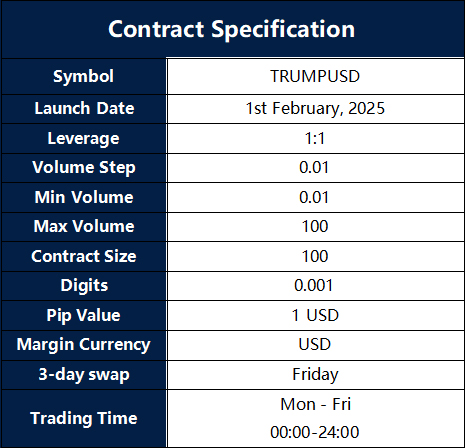
To provide you with more diverse trading options, VT Markets will launch 1 new product on 1st February 2025.

You can trade the world’s popular products on MetaTrader 4 and 5 with the following specifications:

The above data is for reference only, please refer to the MT4 and MT5 platforms for the updated data.

Friendly reminders:
1. Please refer to the MT4 and MT5 platforms for the specific swap rate.

If you’d like more information, please don’t hesitate to contact info@vtmarkets.com.

AI’s new chapter: How DeepSeek and Trump’s Stargate plan are reshaping tech investment

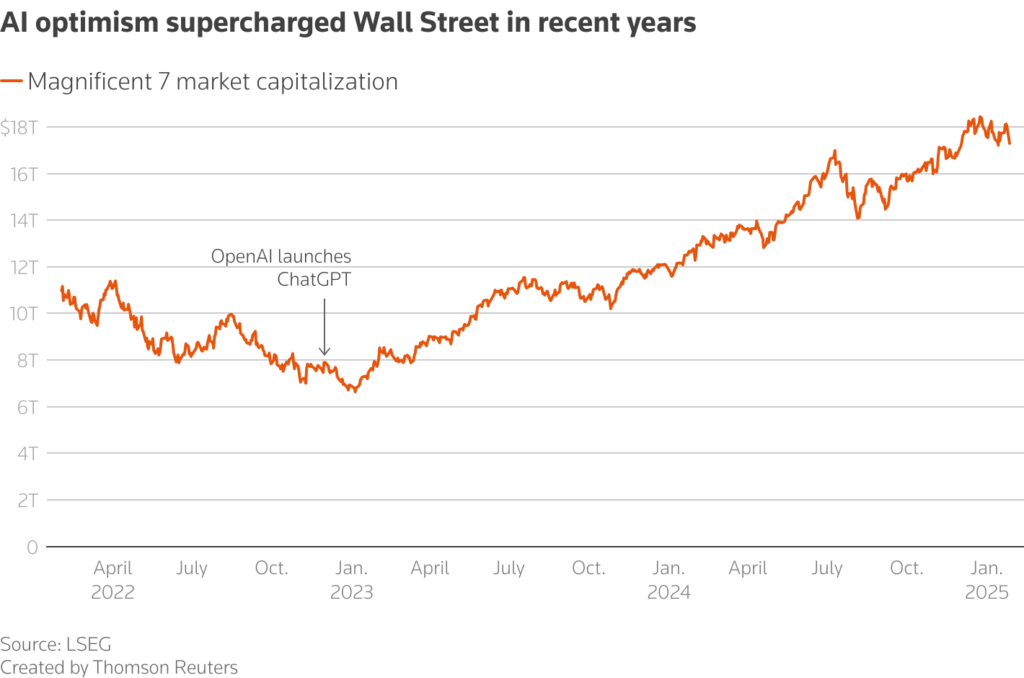
The tech world was stunned when Nvidia, the leading AI chip manufacturer, lost an unprecedented USD 600 billion in market value in a single day—the largest one-day loss in US stock market history.

This seismic shift was triggered by the emergence of DeepSeek, a Chinese AI company, alongside former President Donald Trump’s announcement of a massive USD 500 billion AI infrastructure project called Stargate.

The Nasdaq Composite dropped 612 points (3%), while the S&P 500 fell 1.5%, highlighting the broad impact of these developments on the technology sector.

Understanding the DeepSeek phenomenon

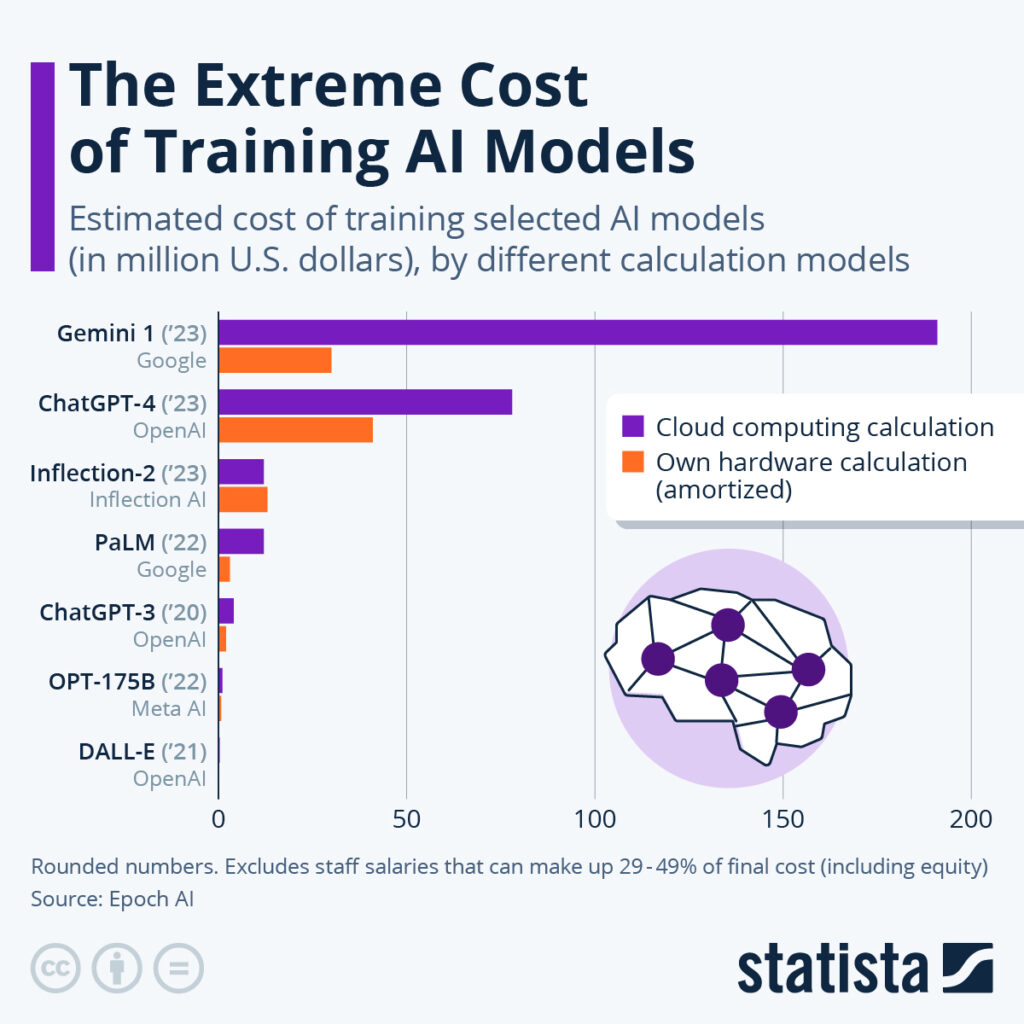
DeepSeek burst onto the scene by becoming the most downloaded free app on Apple’s US App Store, but its impact goes far beyond app rankings. The company claims to have developed its AI model for just USD 6 million, compared to the estimated USD 100 million to USD 1 billion spent by competitors like Anthropic.

This dramatic cost difference sent shockwaves through the market, pushing Nvidia’s value from USD 3.5 trillion to USD 2.9 trillion, dropping it to third place behind Apple and Microsoft.

However, industry experts urge caution about these cost claims. Elon Musk suggests DeepSeek likely has access to substantial resources, including an estimated 50,000 Nvidia chips acquired before export restrictions.

The company’s founder, Liang Wenfeng, manages an USD 8 billion hedge fund called High-Flyer, indicating deeper financial resources than initially reported. DeepSeek operates with a lean team of fewer than 140 people, primarily recruiting PhD students from elite Chinese universities rather than experienced engineers.

The immediate market reaction affected multiple sectors. Beyond Nvidia’s decline, ASML fell 6%, Broadcom dropped 17%, and energy companies like GE Vernova and Vistra saw declines of 21% and 28% respectively. Even Japanese AI-related firms weren’t spared, with the Nikkei 225 index falling 1.4%.

Trump’s Stargate project: A new direction

The Stargate project represents America’s response to these challenges, with an initial USD 100 billion investment scaling up to USD 500 billion.

The initiative brings together tech giants OpenAI, Oracle, and SoftBank, focusing on building massive AI infrastructure. The centrepiece includes a million-square-foot facility in Texas, marking the beginning of a nationwide data centre network.

Beyond job creation (100,000 new positions), the project addresses critical infrastructure needs. Industry leaders have highlighted the increasing demand for data centres, chips, electricity, and water resources to sustain AI growth. Sam Altman, OpenAI’s CEO, has described Stargate as the “most important project of this era.”

Investment landscape changes

For investors, these developments signal several key shifts in the technology sector:

1. AI development costs: DeepSeek claims to use just 2,000 specialised chips compared to an estimated 16,000 chips for leading US models, challenging traditional cost assumptions.

2. Semiconductor industry: While Nvidia remains dominant, concerns have emerged about chip supply. SK Hynix, a crucial supplier of high-bandwidth memory chips, has raised concerns about demand trends, while Taiwan Semiconductor expects to double its AI-related revenue.

3. Infrastructure players: KeyBanc has adjusted Nvidia’s 2026 data centre revenue target to USD 185 billion from USD 200 billion, reflecting changing market dynamics.

4. Cloud computing: Microsoft’s significant role as 13% of Nvidia’s fiscal Q1 revenue highlights the interconnected nature of the AI ecosystem.

Risks and challenges

Investors should consider several risk factors:

  • Geopolitical tensions: New US regulations limit AI chip exports to 50,000 per country, with stricter controls for orders exceeding 1,700 chips.
  • Technical uncertainties: Manufacturing yield issues are limiting shipments of Nvidia’s next-generation Blackwell chips.
  • Regulatory environment: China’s State Administration for Market Regulation is investigating Nvidia for potential antitrust violations.
  • Market valuation concerns: Oracle executive Ken Glueck estimates that export restrictions could reduce the global market for US chip companies by 80%.

Tech sector outlook 2025: AI’s ripple effect

The AI revolution is reshaping the broader technology sector in several significant ways:

1. Shifting power dynamics: The traditional dominance of US tech giants is being challenged by efficient, low-cost competitors. Companies like DeepSeek demonstrate that innovation can come from unexpected places, forcing established players to rethink their strategies.

2. Infrastructure revolution: Data centre development is becoming as crucial as software development. The industry is seeing a massive shift towards sustainable, energy-efficient infrastructure solutions, particularly as AI power consumption concerns grow. UBS analysts predict this will create new opportunities in green tech and energy management systems.

3. Democratisation of AI: Lower development costs are making AI more accessible to smaller companies and startups. This trend could lead to:

  • Increased competition in previously consolidated markets.
  • More specialised AI applications for specific industries.
  • Growing demand for AI integration services.
  • New opportunities in AI training and deployment tools.

4. Market restructuring: The tech sector is moving away from pure software plays toward integrated hardware-software solutions. Companies that can offer complete AI implementation packages, from chips to applications, are likely to gain advantages.

5. Talent market changes: With companies like DeepSeek successfully operating with smaller, specialised teams, the industry is seeing a shift in hiring practices. The focus is moving towards highly skilled specialists rather than large development teams.

Practical takeaways for investors

For investors, several strategies merit consideration:

1. Diversification: Look beyond chip manufacturers to include companies throughout the AI value chain, including infrastructure providers and energy companies.

2. Timeline management: UBS analysts predict strong Q4 and fiscal Q1 results for the sector, but suggest monitoring Blackwell chip yields and revenue growth.

3. Risk assessment: Consider the impact of potential tariff increases (2-5% per month) and regulatory changes on international tech investments.

4. Market indicators: Watch data centre construction rates, chip shipments (particularly the transition to Blackwell chips), and energy consumption patterns in tech hubs.

These developments suggest we are entering a new phase in AI investment, where efficiency and infrastructure take centre stage. Investors should maintain a balanced approach, considering both the opportunities and risks in this rapidly evolving sector.

To capitalise on emerging trends in AI and beyond, open a live account with VT Markets today and access a world of investment opportunities.

AI’s new chapter: How DeepSeek and Trump’s Stargate plan are reshaping tech investment

The tech world was stunned when Nvidia, the leading AI chip manufacturer, lost an unprecedented USD 600 billion in market value in a single day—the largest one-day loss in US stock market history.

This seismic shift was triggered by the emergence of DeepSeek, a Chinese AI company, alongside former President Donald Trump’s announcement of a massive USD 500 billion AI infrastructure project called Stargate.

The Nasdaq Composite dropped 612 points (3%), while the S&P 500 fell 1.5%, highlighting the broad impact of these developments on the technology sector.

Understanding the DeepSeek phenomenon

DeepSeek burst onto the scene by becoming the most downloaded free app on Apple’s US App Store, but its impact goes far beyond app rankings. The company claims to have developed its AI model for just USD 6 million, compared to the estimated USD 100 million to USD 1 billion spent by competitors like Anthropic.

This dramatic cost difference sent shockwaves through the market, pushing Nvidia’s value from USD 3.5 trillion to USD 2.9 trillion, dropping it to third place behind Apple and Microsoft.

However, industry experts urge caution about these cost claims. Elon Musk suggests DeepSeek likely has access to substantial resources, including an estimated 50,000 Nvidia chips acquired before export restrictions.

The company’s founder, Liang Wenfeng, manages an USD 8 billion hedge fund called High-Flyer, indicating deeper financial resources than initially reported. DeepSeek operates with a lean team of fewer than 140 people, primarily recruiting PhD students from elite Chinese universities rather than experienced engineers.

The immediate market reaction affected multiple sectors. Beyond Nvidia’s decline, ASML fell 6%, Broadcom dropped 17%, and energy companies like GE Vernova and Vistra saw declines of 21% and 28% respectively. Even Japanese AI-related firms weren’t spared, with the Nikkei 225 index falling 1.4%.

Trump’s Stargate project: A new direction

The Stargate project represents America’s response to these challenges, with an initial USD 100 billion investment scaling up to USD 500 billion.

The initiative brings together tech giants OpenAI, Oracle, and SoftBank, focusing on building massive AI infrastructure. The centrepiece includes a million-square-foot facility in Texas, marking the beginning of a nationwide data centre network.

Beyond job creation (100,000 new positions), the project addresses critical infrastructure needs. Industry leaders have highlighted the increasing demand for data centres, chips, electricity, and water resources to sustain AI growth. Sam Altman, OpenAI’s CEO, has described Stargate as the “most important project of this era.”

Investment landscape changes

For investors, these developments signal several key shifts in the technology sector:

1. AI development costs: DeepSeek claims to use just 2,000 specialised chips compared to an estimated 16,000 chips for leading US models, challenging traditional cost assumptions.

2. Semiconductor industry: While Nvidia remains dominant, concerns have emerged about chip supply. SK Hynix, a crucial supplier of high-bandwidth memory chips, has raised concerns about demand trends, while Taiwan Semiconductor expects to double its AI-related revenue.

3. Infrastructure players: KeyBanc has adjusted Nvidia’s 2026 data centre revenue target to USD 185 billion from USD 200 billion, reflecting changing market dynamics.

4. Cloud computing: Microsoft’s significant role as 13% of Nvidia’s fiscal Q1 revenue highlights the interconnected nature of the AI ecosystem.

Risks and challenges

Investors should consider several risk factors:

  • Geopolitical tensions: New US regulations limit AI chip exports to 50,000 per country, with stricter controls for orders exceeding 1,700 chips.
  • Technical uncertainties: Manufacturing yield issues are limiting shipments of Nvidia’s next-generation Blackwell chips.
  • Regulatory environment: China’s State Administration for Market Regulation is investigating Nvidia for potential antitrust violations.
  • Market valuation concerns: Oracle executive Ken Glueck estimates that export restrictions could reduce the global market for US chip companies by 80%.

Tech sector outlook 2025: AI’s ripple effect

The AI revolution is reshaping the broader technology sector in several significant ways:

1. Shifting power dynamics: The traditional dominance of US tech giants is being challenged by efficient, low-cost competitors. Companies like DeepSeek demonstrate that innovation can come from unexpected places, forcing established players to rethink their strategies.

2. Infrastructure revolution: Data centre development is becoming as crucial as software development. The industry is seeing a massive shift towards sustainable, energy-efficient infrastructure solutions, particularly as AI power consumption concerns grow. UBS analysts predict this will create new opportunities in green tech and energy management systems.

3. Democratisation of AI: Lower development costs are making AI more accessible to smaller companies and startups. This trend could lead to:

  • Increased competition in previously consolidated markets.
  • More specialised AI applications for specific industries.
  • Growing demand for AI integration services.
  • New opportunities in AI training and deployment tools.

4. Market restructuring: The tech sector is moving away from pure software plays toward integrated hardware-software solutions. Companies that can offer complete AI implementation packages, from chips to applications, are likely to gain advantages.

5. Talent market changes: With companies like DeepSeek successfully operating with smaller, specialised teams, the industry is seeing a shift in hiring practices. The focus is moving towards highly skilled specialists rather than large development teams.

Practical takeaways for investors

For investors, several strategies merit consideration:

1. Diversification: Look beyond chip manufacturers to include companies throughout the AI value chain, including infrastructure providers and energy companies.

2. Timeline management: UBS analysts predict strong Q4 and fiscal Q1 results for the sector, but suggest monitoring Blackwell chip yields and revenue growth.

3. Risk assessment: Consider the impact of potential tariff increases (2-5% per month) and regulatory changes on international tech investments.

4. Market indicators: Watch data centre construction rates, chip shipments (particularly the transition to Blackwell chips), and energy consumption patterns in tech hubs.

These developments suggest we are entering a new phase in AI investment, where efficiency and infrastructure take centre stage. Investors should maintain a balanced approach, considering both the opportunities and risks in this rapidly evolving sector.

To capitalise on emerging trends in AI and beyond, open a live account with VT Markets today and access a world of investment opportunities.

VT Markets Celebrates Groundbreaking 2024

Sets the stage for Greater Success in 2025

January 27, 2025 – Sydney, Australia – VT Markets celebrates an exhilarating year of record-breaking growth and high-impact achievements in 2024. From a remarkable jump in trading volume to groundbreaking partnerships, this year has marked a transformative year for the global brokerage leader.

VT Markets was celebrated for its excellence over 30 global and regional accolades, and prestigious industry appearances, further solidifying its position as a trailblazer in the trading world. The firm also earned the coveted Approved Broker Member status from the Financial Commission, a prestigious recognition of its trustworthiness and transparency in the industry.

2024: A Year of Unprecedented Growth

  • Global Workforce Explosion: VT Markets soared to over 600 employees across 27 offices worldwide, scaling operations and bringing unparalleled support to traders across the globe.
  • Record-Breaking Trading Volume: The firm’s trading volume reached an astonishing 150% year-on-year growth, demonstrating the trust and momentum VT Markets has garnered within the trading community.
  • Skyrocketing Client Engagement: With a two-fold growth in gross deposits and first-time trades respectively VT Markets has seen its customer base and trading activity grow to new heights. The numbers speak for themselves – traders are flocking to VT Markets in record numbers, fueling its expansion and global success.

Trailblazing Achievements & Partnerships

2024 saw VT Markets continue to build on its legacy with some of the most exciting and high-profile achievements in the company’s history:

  • Partnership with Maserati MSG Racing: VT Markets raced ahead with its continued partnership with Maserati MSG Racing for Season 11 of the Formula E World Championship, linking high-performance motorsport with the world of trading. A dynamic collaboration that champions innovation and speed, it embodies the core values of VT Markets.
  • Strategic Partnership with Newcastle United: In an exciting move that amplified its global presence, VT Markets teamed up with Newcastle United in August, marking a major milestone in the brand’s commitment to world-class sports partnerships.
  • Client Fund Protection: Taking security to the next level, VT Markets introduced client fund insurance up to $1M, offering traders an unparalleled sense of safety and trust in the platform.
  • “Built for Winners” Brand Campaign: VT Markets launched the captivating “Built for Winners” campaign, highlighting the parallels between navigating volatile markets and racing on the high-speed track. This bold creative campaign struck a chord with traders, positioning VT Markets as the firm that helps individuals and institutions thrive in challenging environments.
  • “Trading Can Be Easy” Ad Campaign:  VT Markets launched its first hyper-localised ad campaign tailored specifically for South Asia, showcasing how easy trading can be and how it can transform lives in India. The campaign resonated deeply with local audiences, changing the narrative on what is possible in trading.

The Road Ahead: VT Markets’ Vision for 2025

Building on the tremendous success of 2024, VT Markets is primed for greater expansion in 2025, with bold plans to continue setting new standards in the brokerage industry including doubling down in key regions like Southeast Asia and Central Asia for rapid growth and further establishing its global leadership. As we look ahead, we are optimistic about the outlook for forex and trading, with a market poised for both opportunities and challenges. By leveraging our advanced technology, global reach, and customer-centric approach, VT Markets is confident to navigate these evolving market dynamics and ride the wave of success together with our valued clients and partners.

About VT Markets

VT Markets is a regulated multi-asset broker with a presence in over 160 countries as of today. It has earned numerous international accolades including Best Online Trading and Fastest Growing Broker. In line with its mission to make trading accessible to all, VT Markets offers comprehensive access to over 1,000 financial instruments and clients benefit from a seamless trading experience via its award-winning mobile application.

For more information, please visit the official VT Markets website or email us at info@vtmarkets.com. Alternatively, follow VT Markets on Facebook, Instagram, or LinkedIn.

For media enquiries and sponsorship opportunities, please email media@vtmarkets.com, or contact:

Dandelyn Koh

Global Brand & PR Lead

dandelyn.koh@vtmarkets.com

Brenda Wong

Assistant Manager, Global PR & Communications

brenda.wong@vtmarkets.com

Back To Top
server

Hello there 👋

How can I help you?

Chat with our team instantly

Live Chat

Start a live conversation through...

  • Telegram
    hold On hold
  • Coming Soon...

Hello there 👋

How can I help you?

telegram

Scan the QR code with your smartphone to start a chat with us, or click here.

Don’t have the Telegram App or Desktop installed? Use Web Telegram instead.

QR code