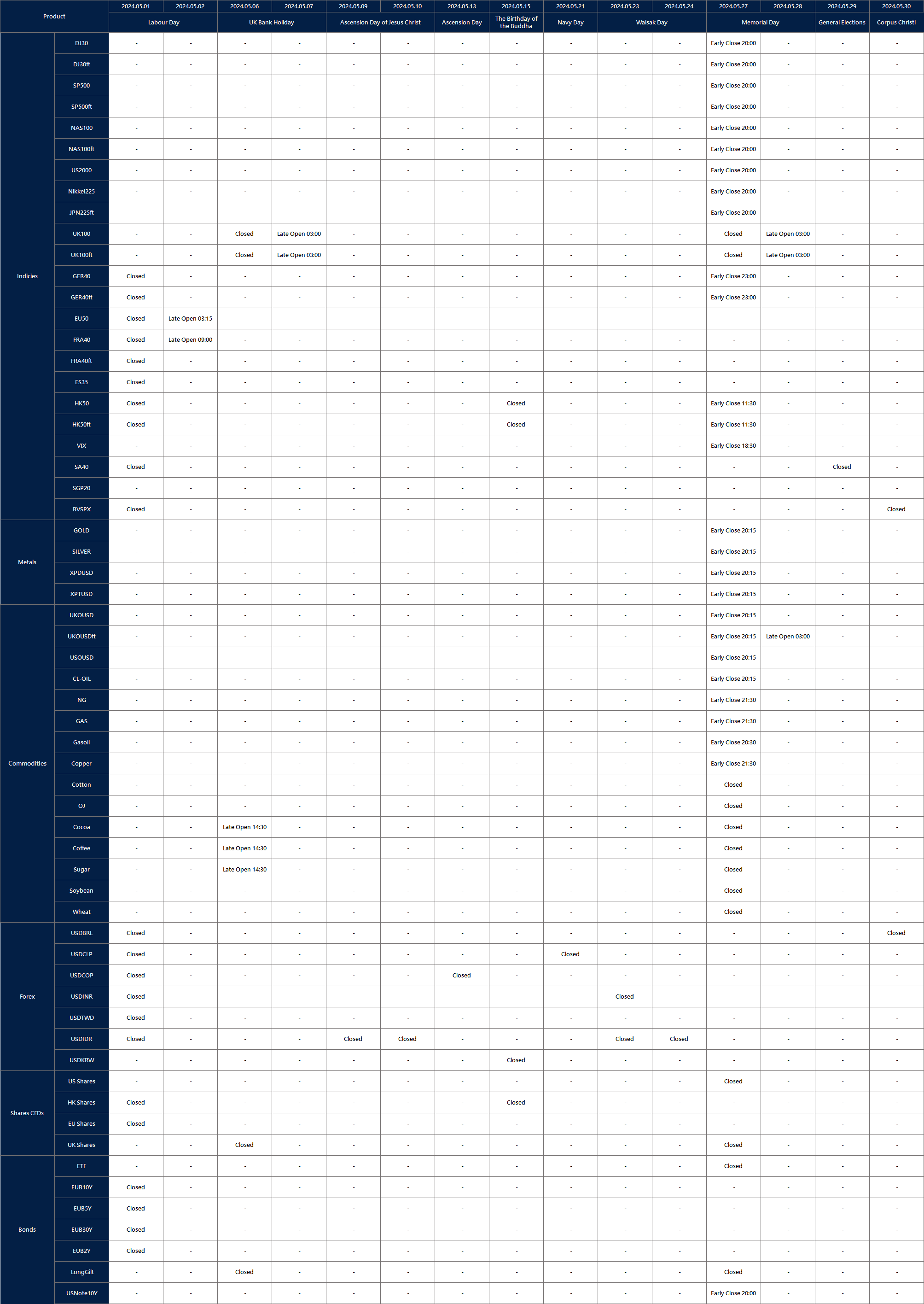
Affected by international holidays, the trading hours of some VT Markets products will be adjusted. Please check the following link for the affected products:
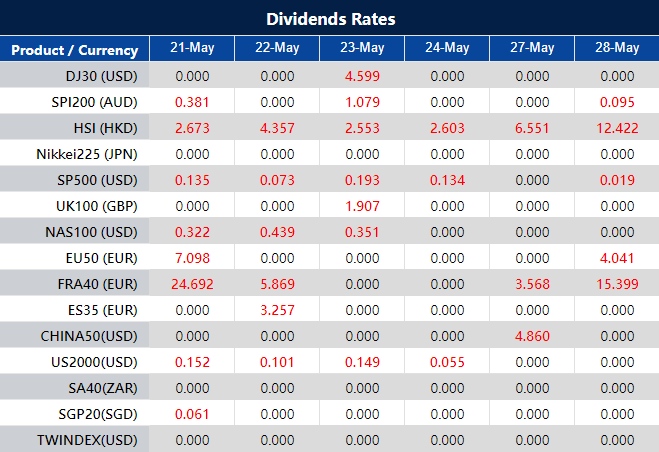
Please note that the dividends of the following products will be adjusted accordingly. Index dividends will be executed separately through a balance statement directly to your trading account, and the comment will be in the following format “Div & Product Name & Net Volume ”.
Please refer to the table below for more details:
The above data is for reference only, please refer to the MT4/MT5 software for specific data.
If you’d like more information, please don’t hesitate to contact info@vtmarkets.com.
Flip, eat, sleep, repeat – such is the degen lifestyle of a forex trader. While majority of people are still debating about on-site jobs, hybrid work or full remote opportunities, degens traders are thriving on market volatility in attempt to tenfold or even hundredfold their small capital, living the dream lifestyle of many.
Or at least that is how social media portray them to be living.
Half the time, these market enthusiasts are glued to their computer screens and following the latest market movements for the next big opportunity.
Opportunity and risks
Even the S&P500 companies would be out of manpower if and only if everyone could easily be a successful forex trader. No one would be interested in a “job” if it is straightforward to achieve such a degen lifestyle.
While social media seems to display that life is great as a trader, the truth is that such lifestyle that demands one to possess dedication in learning and a high-risk tolerance to market fluctuation.
Without any consistent or stable income stream at the onstart, a degen forex trader typically has a super small capital and often has the wildest dream of flipping $100 to his first million. While this is not impossible given that there are endless opportunities in the financial market, traders are often subject to certain challenges that would make or break them.
If a market always stays quiet and flat, there would be no opportunities to for profits to be made. On another end, extreme volatility or swings would either result in a huge fat profit or wipe a trader’s account out.
News and information overload: To follow or not to follow?
Staying up to date in the financial markets is a constant battle. On top of economy calendars, fundamental data, technical analysis and news articles, degen forex traders also tend to receive tips from social media channels such as Twitter.
Not only it is easy to drown in a sea of information, but traders may also struggle to filter or verify the validity of the same. It is no surprise to see some traders would rather just purely rely on technical analysis as their trading strategy instead of trading on news.
Failure of risk management is the highway to hell
Many degen traders are prone to take on excessive risk as they all hope to make money quickly. As such, they often trade in a speculative manner, and further amplify the risk using high leverage.
Let’s use a trade in gold (XAUUSD) as example.
If a trader with a balance of $4,120 decided to short one (1) standard lot of XAUUSD at $2,060 with target price of $2,000, he is using a leverage of 1:50. If things moved according to his plan, he would make a profit of $6,000 on this trade alone. That is a whooping 145.63% on his capital of $4,120 – which is impressive!
However, XAUUSD eventually rallied in the opposite direction, past the $2,100 price level. If the same trader set a stop-loss at $2,080, his position would have been closed with a loss of $2,000, which is quite a painful loss of 48.54%.
Now imagine how can he recover such a sum back? Only if he doubles the trades that he subsequently makes with his new balance of $2,080. Ouch.
Pictured: Financial hell
Worse, if no stop-loss was set at all, his entire account would have been wiped out once XAUUSD moves past $2,101.20. This is exactly how over-leveraging kills a forex trading account.
By setting a stop-loss too far away, not adhering to a stop-loss or not using a stop-loss at all, a forex trader is throwing risk management out of the window. However, managing risk is crucial for survival as a degen trader, as one will need to survive through series of trades before striking a big successful transaction.
In the meantime, one single mismanaged trade can wipe out an entire portfolio, sending all previously made profits back into the market. This is why it is essential to strike a balance between risk and rewards.
Is this degen lifestyle as a forex trader really sustainable?
No doubt the market is a place full of high risks and speculation. Although a retail forex trader cannot control the market, what he can control is his own risk management and mental state in avoiding impulsive or reckless decisions.
With strong commitment in learning the markets and good discipline in managing risks, a forex trader will be able to achieve consistency in his trades. From there, the profits piled over time will generate a significant sum, leading to financial freedom envisioned by most.
Trade 1,000+ assets with VT Markets
Embark on your journey as a forex trader with VT Markets now. With 1000+ assets being offered, ECN and STP accounts, forex economy calendar, academy and analysis being made avail to you, there is nothing to stop you from living the lifestyle you desire. As a new client of VT Market, you can also claim welcome bonus on your deposits. So, hesitate no more, start today!
JPMorgan Chase & Co. is a leading financial services firm that operates worldwide and is listed on the NASDAQ and S&P 500 stock exchanges.
With $3.9 trillion in assets and $328 billion in stockholders’ equity as of December 31, 2023, its market significance is undeniable.
Investors should consider this stock due to its strong financial performance, competitive advantages, and distinctive features.
Company Snapshot
Headquartered in New York City, JPMorgan Chase & Co. is a multinational investment bank and financial services company. Founded in 1799, it has grown to become one of the world’s largest banks. It operates in four main segments: Consumer & Community Banking, Corporate & Investment Bank, Commercial Banking, and Asset & Wealth Management.
The company has a long history of innovation and has been at the forefront of many industry-changing developments.
JPMorgan Chase 2024 Financial Analysis
JPMorgan Chase & Co. has demonstrated robust financial performance recently. In 2023, the company reported a net income of $49.55 billion, marking a 32% year-over-year increase. Revenue also rose by 23% to $158.1 billion, a record result. The bank has benefited from rising interest rates, boosting its lending income.
Its profit margins are also notable, with a net profit margin of 31.3% in 2023.
Investment Opportunity
JPMorgan Chase & Co. presents a promising investment opportunity due to its strong competitive position in the financial services industry, offering a diverse range of products and services to a broad customer base.
It also boasts a solid brand reputation and a long-standing commitment to innovation. Unique features such as its robust balance sheet and focus on sustainable investing provide a solid foundation for growth.
Risks and Considerations
Investing in JPMorgan Chase & Co. carries risks. The financial services industry is highly competitive, and the bank faces significant competition from other large banks and financial institutions. It is also vulnerable to market volatility and industry-specific challenges, including regulatory changes and economic downturns.
Prospective investors should conduct thorough research and consider diversification before investing in JPMorgan Chase & Co.
Trading Shares CFD with VT Markets
Our platform offers competitive spreads, advanced trading tools, and robust risk management features to enhance your trading experience. Don’t miss out on the opportunity to trade one of the world’s leading financial service firms. Start trading Shares CFD with VT Markets today and capitalize on the movements of JPMorgan Chase & Co. shares in real time.
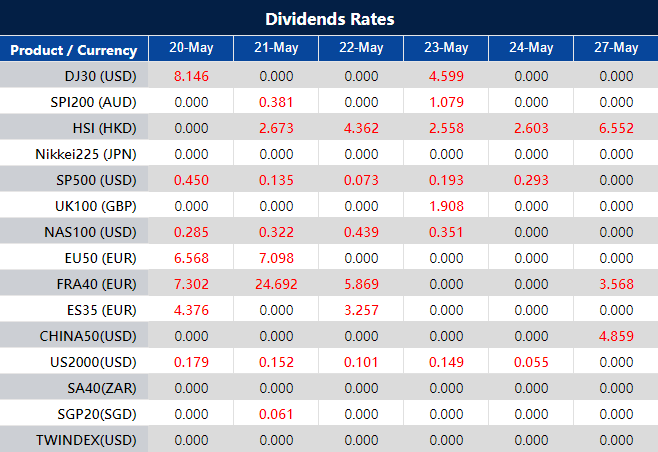
Please note that the dividends of the following products will be adjusted accordingly. Index dividends will be executed separately through a balance statement directly to your trading account, and the comment will be in the following format “Div & Product Name & Net Volume ”.
Please refer to the table below for more details:
The above data is for reference only, please refer to the MT4/MT5 software for specific data.
If you’d like more information, please don’t hesitate to contact info@vtmarkets.com.
The allure of forex trading – the potential for quick riches and the thrill of the fast-paced market – is undeniable. But unlike stock investments, forex success hinges on mastering the mental game. Fear, greed, and overconfidence can quickly turn winning trades into losses.
This comprehensive guide equips you with practical strategies to conquer the emotional challenges of trading, paving the way for informed decisions and consistent profits.
Step 1. Tame the emotional beasts
The first step is understanding your emotional triggers.
How do you react to wins and losses?
Do you get overly excited, leading you to take on more risk than usual with your next trade (overtrading)?
Does frustration tempt you to overtrade in a bid to recoup losses (revenge trading)?
These emotional responses can cloud your judgment and lead to costly mistakes.
Actionable tip: Start a trading journal – your emotional fingerprint
Develop a comprehensive trading journal that goes beyond simply recording trade details. After each trade, jot down the emotions you felt (fear, excitement, etc.), the specific trade details (currency pair, entry/exit price, trade size), and the outcome (win/loss).
Over time, patterns will emerge, revealing your emotional triggers. For instance, you might notice a tendency to overtrade after a string of winning trades, fuelled by excitement and a desire to capitalise on the perceived “hot hand.”
Alternatively, you might see a pattern of revenge trading after experiencing a significant loss, driven by frustration and a need to “get even” with the market.
Recognising these patterns is the first step towards managing your emotions and making sound trading decisions.
Step 2. Develop a trading plan
A well-defined trading plan minimises emotions’ influence. It acts as a roadmap, guiding your entry and exit strategies based on technical indicators or fundamental factors. This plan should be tailored to your individual risk tolerance and trading style.
Actionable tip: Craft your personalised trading plan
Here are some key elements to consider when building your trading plan:
Identify your trading style: Determine if you’re a day, swing, or position trader to align your plan with your goals and risk tolerance.
Develop entry and exit strategies: Use technical indicators (e.g., RSI, moving averages) and fundamental factors (e.g., economic data) to outline criteria for trades.
Define risk management parameters: Set stop-loss and take-profit orders to manage risk, limiting losses and locking in gains.
Review and refine your plan: Regularly assess and adjust your plan based on market dynamics and personal experience.
Step 3. Build a winning mindset
Successful traders cultivate a positive, realistic mindset that prioritises long-term success over short-term gains. Here are some key aspects to develop:
Set realistic expectations: Aim for small, consistent profits and focus on improving your skills. Understand that losses are part of the process, even for professionals.
Embrace the journey: View trading as a continuous learning experience. Analyse each trade to identify areas for improvement and experiment with different strategies.
Learn from losses: Use losses as learning opportunities. Examine the reasons behind losing trades, whether due to emotional decisions or analytical errors, and adjust your strategy accordingly.
Actionable tip: Expand your trading journal for continuous improvement
Integrate a “Lessons learned” section into your trading journal.
After analysing losing trades, identify the contributing factors (emotional trading, flawed strategy) and outline corrective actions. This will help you learn from your mistakes and avoid repeating them.
Additionally, analyse winning trades to understand what worked well and potentially incorporate those elements into your future strategies.
Step 4. Combat confirmation bias
Confirmation bias is a cognitive trap that can distort your judgment and lead to poor trading decisions. It’s the tendency to seek out information that confirms your existing beliefs and ignore contradictory evidence. This can be particularly dangerous in forex trading, where market sentiment can shift quickly.
Scenario: The echo chamber effect
Imagine you’re heavily invested in the euro (EUR/USD) and are convinced it will appreciate against the US dollar. You’ve been following a popular forex analyst who consistently predicts a strong Eurozone. Here’s how confirmation bias can play out:
You actively seek out news articles and social media posts that reinforce your bullish view on the euro.
You discount or dismiss any information suggesting potential weakness in the Eurozone economy.
You ignore technical indicators that might be signalling a potential reversal in the EUR/USD trend.
This “echo chamber” effect prevents you from seeing the bigger picture and making informed trading decisions.
Actionable tip: Diversify your information sources
Here’s how to combat confirmation bias and develop a more objective perspective:
Seek out divergent viewpoints: Follow balanced financial news presenting both bullish and bearish arguments to avoid confirmation bias.
Challenge your assumptions: Question your trading ideas and discuss them with experienced traders who offer different perspectives.
Focus on facts, not opinions: Base trading decisions on technical indicators, fundamental analysis, and your trading plan, ignoring unsubstantiated opinions and online hype.
Step 5. Build a support system
Surrounding yourself with positive and successful traders fosters a positive and motivating environment. Here are some ways to connect with a supportive community:
Online forums: Join reputable forex forums with active, moderated discussions to ask questions, share experiences, and learn from others.
Educational webinars: Attend sessions by professional traders focusing on specific trading strategies, risk management, and balanced market data analysis.
Local meetups: Network with local traders to share experiences, discuss strategies, and build a support system that keeps you accountable and motivated.
By connecting with a supportive community, you’ll gain exposure to diverse viewpoints, fostering a more balanced and objective approach to trading.
In conclusion, mastering the mental aspects of trading is crucial alongside understanding market fundamentals and technical analysis. By using self-awareness, a solid trading plan, risk management, a winning mindset, and a supportive community, you can handle the emotional challenges and become a more confident and successful trader. Remember, trading is a marathon, not a sprint. Be patient, disciplined, and continually strive to learn and improve. By conquering the mental game, you’ll achieve your trading goals.
Master the mental game of Forex trading with insights beyond the charts. Elevate your trading strategy and psychological resilience with VT Markets. Start your journey today!
The allure of forex trading – the potential for quick riches and the thrill of the fast-paced market – is undeniable. But unlike stock investments, forex success hinges on mastering the mental game. Fear, greed, and overconfidence can quickly turn winning trades into losses.
This comprehensive guide equips you with practical strategies to conquer the emotional challenges of trading, paving the way for informed decisions and consistent profits.
Step 1. Tame the emotional beasts
The first step is understanding your emotional triggers.
How do you react to wins and losses?
Do you get overly excited, leading you to take on more risk than usual with your next trade (overtrading)?
Does frustration tempt you to overtrade in a bid to recoup losses (revenge trading)?
These emotional responses can cloud your judgment and lead to costly mistakes.
Actionable tip: Start a trading journal – your emotional fingerprint
Develop a comprehensive trading journal that goes beyond simply recording trade details. After each trade, jot down the emotions you felt (fear, excitement, etc.), the specific trade details (currency pair, entry/exit price, trade size), and the outcome (win/loss).
Over time, patterns will emerge, revealing your emotional triggers. For instance, you might notice a tendency to overtrade after a string of winning trades, fuelled by excitement and a desire to capitalise on the perceived “hot hand.”
Alternatively, you might see a pattern of revenge trading after experiencing a significant loss, driven by frustration and a need to “get even” with the market.
Recognising these patterns is the first step towards managing your emotions and making sound trading decisions.
Step 2. Develop a trading plan
A well-defined trading plan minimises emotions’ influence. It acts as a roadmap, guiding your entry and exit strategies based on technical indicators or fundamental factors. This plan should be tailored to your individual risk tolerance and trading style.
Actionable tip: Craft your personalised trading plan
Here are some key elements to consider when building your trading plan:
Identify your trading style: Determine if you’re a day, swing, or position trader to align your plan with your goals and risk tolerance.
Develop entry and exit strategies: Use technical indicators (e.g., RSI, moving averages) and fundamental factors (e.g., economic data) to outline criteria for trades.
Define risk management parameters: Set stop-loss and take-profit orders to manage risk, limiting losses and locking in gains.
Review and refine your plan: Regularly assess and adjust your plan based on market dynamics and personal experience.
Step 3. Build a winning mindset
Successful traders cultivate a positive, realistic mindset that prioritises long-term success over short-term gains. Here are some key aspects to develop:
Set realistic expectations: Aim for small, consistent profits and focus on improving your skills. Understand that losses are part of the process, even for professionals.
Embrace the journey: View trading as a continuous learning experience. Analyse each trade to identify areas for improvement and experiment with different strategies.
Learn from losses: Use losses as learning opportunities. Examine the reasons behind losing trades, whether due to emotional decisions or analytical errors, and adjust your strategy accordingly.
Actionable tip: Expand your trading journal for continuous improvement
Integrate a “Lessons learned” section into your trading journal.
After analysing losing trades, identify the contributing factors (emotional trading, flawed strategy) and outline corrective actions. This will help you learn from your mistakes and avoid repeating them.
Additionally, analyse winning trades to understand what worked well and potentially incorporate those elements into your future strategies.
Step 4. Combat confirmation bias
Confirmation bias is a cognitive trap that can distort your judgment and lead to poor trading decisions. It’s the tendency to seek out information that confirms your existing beliefs and ignore contradictory evidence. This can be particularly dangerous in forex trading, where market sentiment can shift quickly.
Scenario: The echo chamber effect
Imagine you’re heavily invested in the euro (EUR/USD) and are convinced it will appreciate against the US dollar. You’ve been following a popular forex analyst who consistently predicts a strong Eurozone. Here’s how confirmation bias can play out:
You actively seek out news articles and social media posts that reinforce your bullish view on the euro.
You discount or dismiss any information suggesting potential weakness in the Eurozone economy.
You ignore technical indicators that might be signalling a potential reversal in the EUR/USD trend.
This “echo chamber” effect prevents you from seeing the bigger picture and making informed trading decisions.
Actionable tip: Diversify your information sources
Here’s how to combat confirmation bias and develop a more objective perspective:
Seek out divergent viewpoints: Follow balanced financial news presenting both bullish and bearish arguments to avoid confirmation bias.
Challenge your assumptions: Question your trading ideas and discuss them with experienced traders who offer different perspectives.
Focus on facts, not opinions: Base trading decisions on technical indicators, fundamental analysis, and your trading plan, ignoring unsubstantiated opinions and online hype.
Step 5. Build a support system
Surrounding yourself with positive and successful traders fosters a positive and motivating environment. Here are some ways to connect with a supportive community:
Online forums: Join reputable forex forums with active, moderated discussions to ask questions, share experiences, and learn from others.
Educational webinars: Attend sessions by professional traders focusing on specific trading strategies, risk management, and balanced market data analysis.
Local meetups: Network with local traders to share experiences, discuss strategies, and build a support system that keeps you accountable and motivated.
By connecting with a supportive community, you’ll gain exposure to diverse viewpoints, fostering a more balanced and objective approach to trading.
In conclusion, mastering the mental aspects of trading is crucial alongside understanding market fundamentals and technical analysis. By using self-awareness, a solid trading plan, risk management, a winning mindset, and a supportive community, you can handle the emotional challenges and become a more confident and successful trader. Remember, trading is a marathon, not a sprint. Be patient, disciplined, and continually strive to learn and improve. By conquering the mental game, you’ll achieve your trading goals.
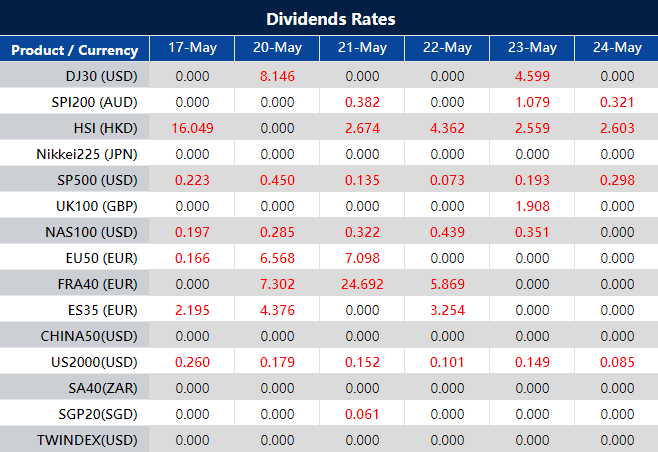
Please note that the dividends of the following products will be adjusted accordingly. Index dividends will be executed separately through a balance statement directly to your trading account, and the comment will be in the following format “Div & Product Name & Net Volume ”.
Please refer to the table below for more details:
The above data is for reference only, please refer to the MT4/MT5 software for specific data.
If you’d like more information, please don’t hesitate to contact info@vtmarkets.com.
VT Markets value your trading experience and funds security. Effective on May 21, 2024, we are implementing Two-Factor Authentication (2FA) verification measures for Cryptocurrency addresses and E-wallet withdrawal methods.
Here’s the recommended 2FA software download link:
Search “Google Authenticator” on WeChat to download.
Important notice update:
To protect the security of your funds, when you apply changes to your personal information, your withdrawal function will be temporarily restricted as follows:
• Changing registered phone/email or 2FA: 48-hour withdrawal restriction
• Changing the personal account password/trading password: 24-hour withdrawal restriction
If your withdrawals are restricted due to the above reasons, please wait for the specified time before re-submitting your request.
Thank you for your patience and understanding about these important changes.
If you have any questions, our team will be happy to answer them. Please send an email to info@vtmarkets.com or contact our customer service online.
VT Markets is committed to providing customers with a faster and more stable trading environment. We will upgrade our server from 02:00 -04:00 and 08:00 – 11:59 server time on May 18th, 2024 (Saturday).
Please refer to the MT4/MT5 software for the specific update completion and trading opening time.
Please pay attention to the following matters:
1. During the maintenance period and before the opening of the market, the quotation servers will be stopped. You will not be able to open new positions, close, or adjust any existing positions.
2. There might be a gap between the maintenance period and before/after the trade opening time. Pending orders or stop loss/take profit which is within the gap range will be executed at the market price after the maintenance ends. We recommend you pay attention to your positions.
We hope you understand the inconvenience caused by this upgrade and maintenance, and we commit to providing you with better services.
If you have any questions, our team will be happy to answer them. Please send an email to info@vtmarkets.com or contact online customer service.