






Key Points
- Oil prices have fallen sharply from their Iran-war peak, easing part of the inflation shock.
- The inflation impact may arrive slowly, with gasoline adjusting first and core inflation lagging.
- Fed Chairman Warsh speaks this week as markets reassess the rate-hike narrative.
- US Non-Farm Employment data may decide whether USDX, gold, SP500 and Bitcoin extend or reverse recent moves.
Oil has given markets the first real sign that the inflation shock from the Iran war may be fading.
Brent crude traded above $113 at the peak of the conflict. It is now closer to $74. WTI is near $70. Before the conflict began on 28 February, Brent traded closer to $66, which shows that some geopolitical risk premium still remains in the market.
That decline should help inflation, but traders should avoid expecting a straight-line drop in CPI or PCE.
Crude prices move daily. Inflation data moves slowly. Gasoline prices usually respond first, but even pump prices can take two to four weeks to reflect lower crude and wholesale fuel costs fully. Consumers may feel relief before it appears clearly in official data.
Transport and goods inflation take longer. Diesel affects trucking, freight, shipping and logistics, but fuel surcharges and business contracts reset with a lag. That process can take four to eight weeks.
Core inflation is the slowest part of the chain. Lower oil can reduce costs for airlines, food production and manufacturing, but it does not directly fix sticky areas such as rent, healthcare, wages and services. This is why headline inflation can cool before the Fed becomes confident enough to change its policy stance.
The Fed Needs Patience, Not a Fast Pivot
The Fed’s challenge is now about timing.
If oil stays near $70, headline inflation could begin cooling through the summer. By July and August, lower fuel costs may pass into transport and goods prices. By September and October, traders will have a clearer view of whether cheaper energy has helped core inflation move below 3%.
Core inflation near 2.9% keeps the Fed in a difficult position. It is low enough to weaken the case for another rate hike, but still too high to support an aggressive dovish turn.
That gives Fed Chairman Warsh a narrow path. He does not need to promise rate cuts. He only needs to move the market from hike risk to hold risk.
A hold can still sound disciplined if inflation starts moving lower. If gasoline, freight and goods prices cool, Warsh can argue that policy is already restrictive enough. If core inflation moves closer to the 2.5% to 2.7% range later this year, the case for more hikes becomes harder to defend.
For now, the Fed can wait. That is the message markets may start to price if oil stays low and the labour market softens.
The Peace Window Is Now the Oil Window
Oil has priced out part of the war premium, but the risk has not disappeared.
The 60-day peace window now acts as a countdown for energy markets. If the ceasefire holds, oil can continue to trade as a disinflationary signal. If the peace process breaks down, markets may quickly price the war premium back into crude.
Traders should watch for four signals.
First, the ceasefire must hold without major attacks or renewed threats against energy infrastructure.
Second, negotiations need to move beyond public statements. Markets will look for scheduled meetings, written terms, inspection arrangements, sanctions discussions or shipping guarantees.
Third, physical supply needs to remain stable. Tanker flows, shipping routes and insurance costs will show whether traders believe the peace process is real.
Fourth, oil needs to hold key price areas. Brent staying below $75 and WTI staying near $70 would support the inflation-relief narrative. A rebound towards the USOil 75.80 to 77.80 zones would suggest traders are rebuilding risk premium.
NFP Could Decide the Dollar’s Next Move
The US labour market is the main scheduled risk this week.
Non-Farm Employment is forecast at 114K, down from 172K previously. The unemployment rate is expected to hold at 4.3%.
A softer payroll print near forecast could support the argument that the Fed can wait. That may pressure USDX and help gold, EURUSD, GBPUSD and equities extend their rebounds.
A stronger print would have the opposite effect. It could revive rate-hike concerns, support USDX and cap risk sentiment.
A very weak print would also carry risk. Markets may welcome slower inflation and lower rate pressure at first, but a sharp labour slowdown could raise growth concerns. That would matter most for SP500 and Bitcoin, where risk appetite remains fragile.
Key Symbols to Watch
USDX | EURUSD | USOil | Gold | S&P500 | BTCUSD
Upcoming Events
| Date | Currency | Event | Forecast | Previous | Analyst Remarks |
| 1 July | GBP | BOE Gov Bailey Speaks | – | – | Traders will watch for rate-management guidance. |
| 1 July | USD | Fed Chairman Warsh Speaks | – | – | Markets will assess whether the Fed shifts from hike risk to hold risk. |
| 2 July | USD | Non-Farm Employment | 114K | 172K | Softer job growth could pressure USD and support gold. |
| 2 July | USD | Unemployment Rate | 4.30% | 4.30% | A higher reading may raise growth concerns. |
For a full view of upcoming economic events, check out VT Markets’ Economic Calendar.
Key Movements of the Week
USDX
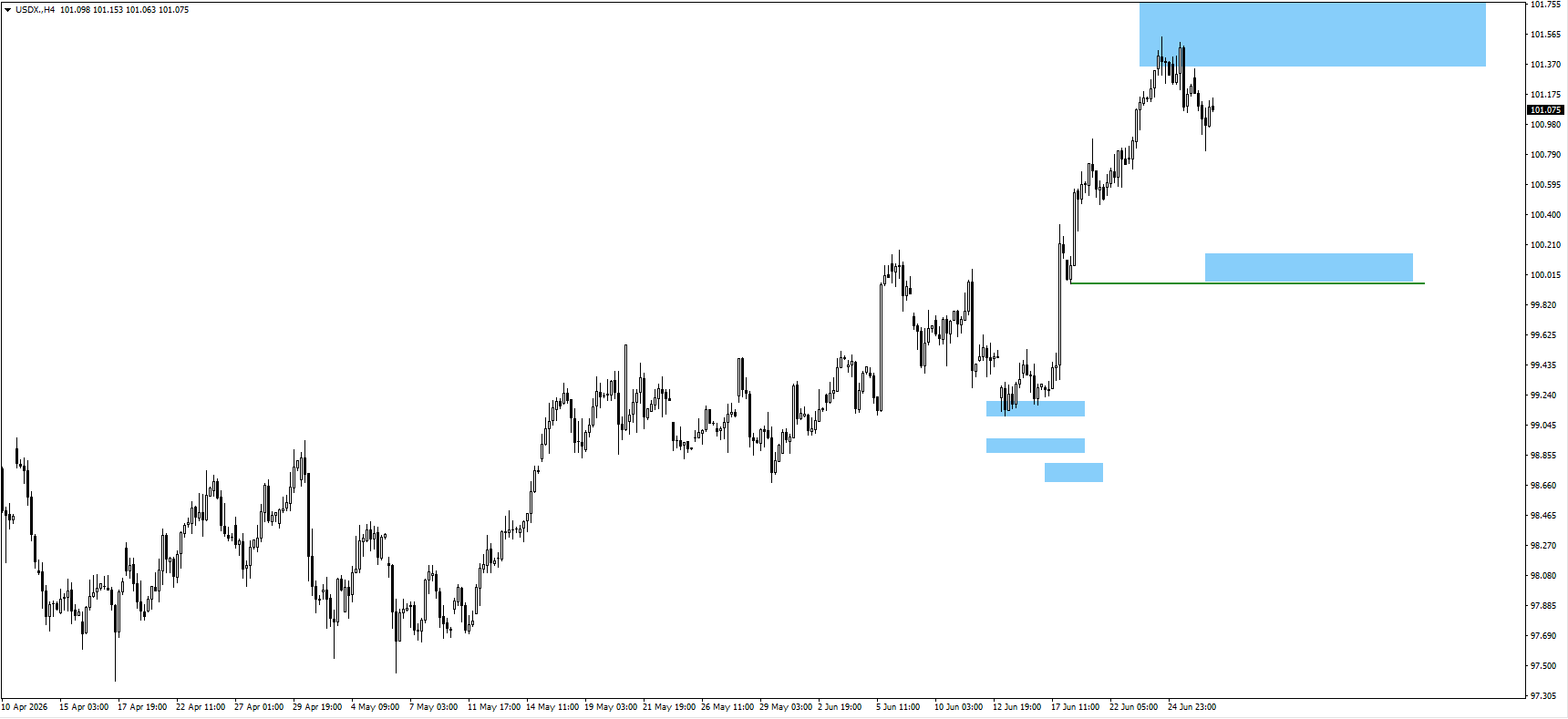
- USDX traded lower from the 101.55 monitored area.
- A deeper consolidation may bring 100.05 into focus for bullish price action.
- A recovery higher would shift attention back to 102.50.
EURUSD
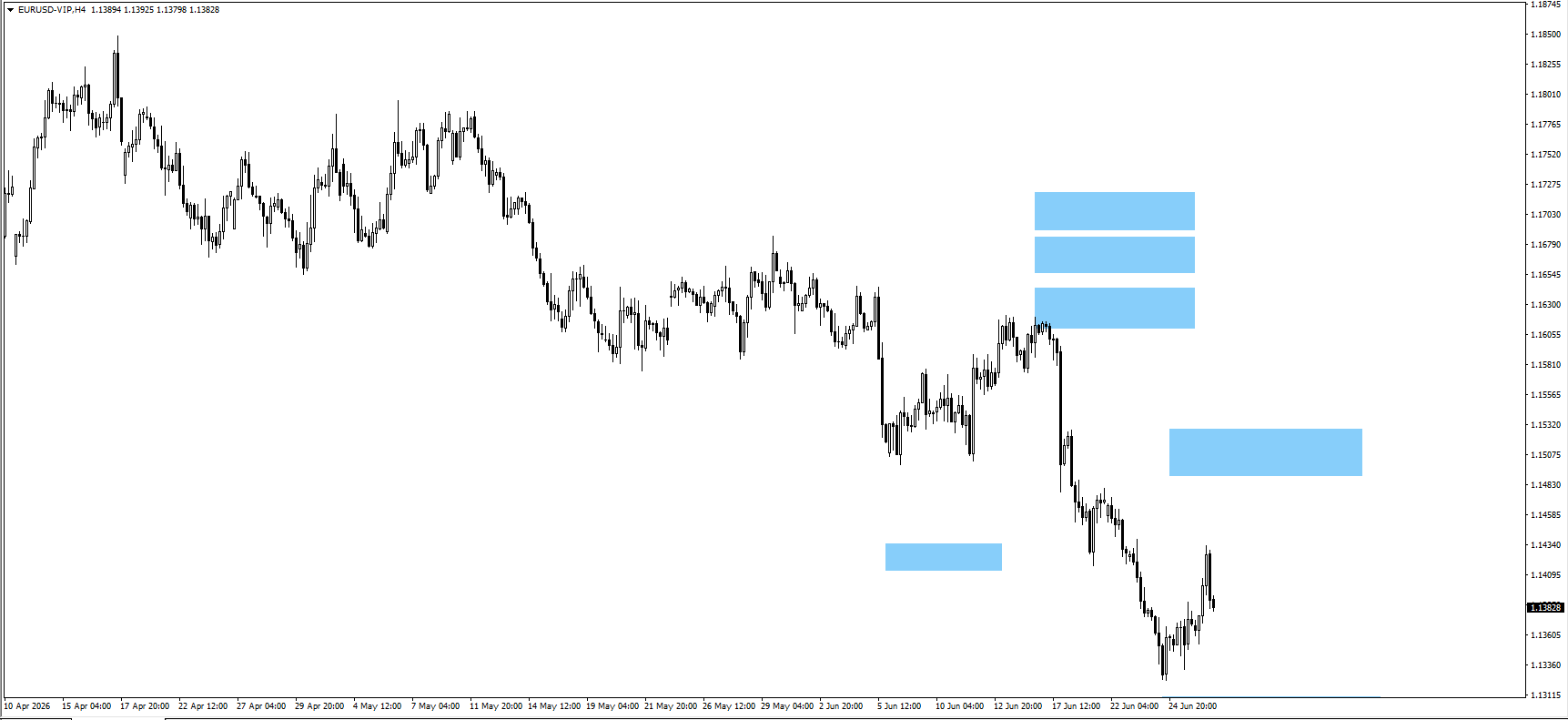
- EURUSD has started to move higher after recent weakness.
- If price continues to consolidate higher, 1.1510 becomes the key bearish price-action zone.
- A move lower brings 1.1250 back into focus.
GBPUSD
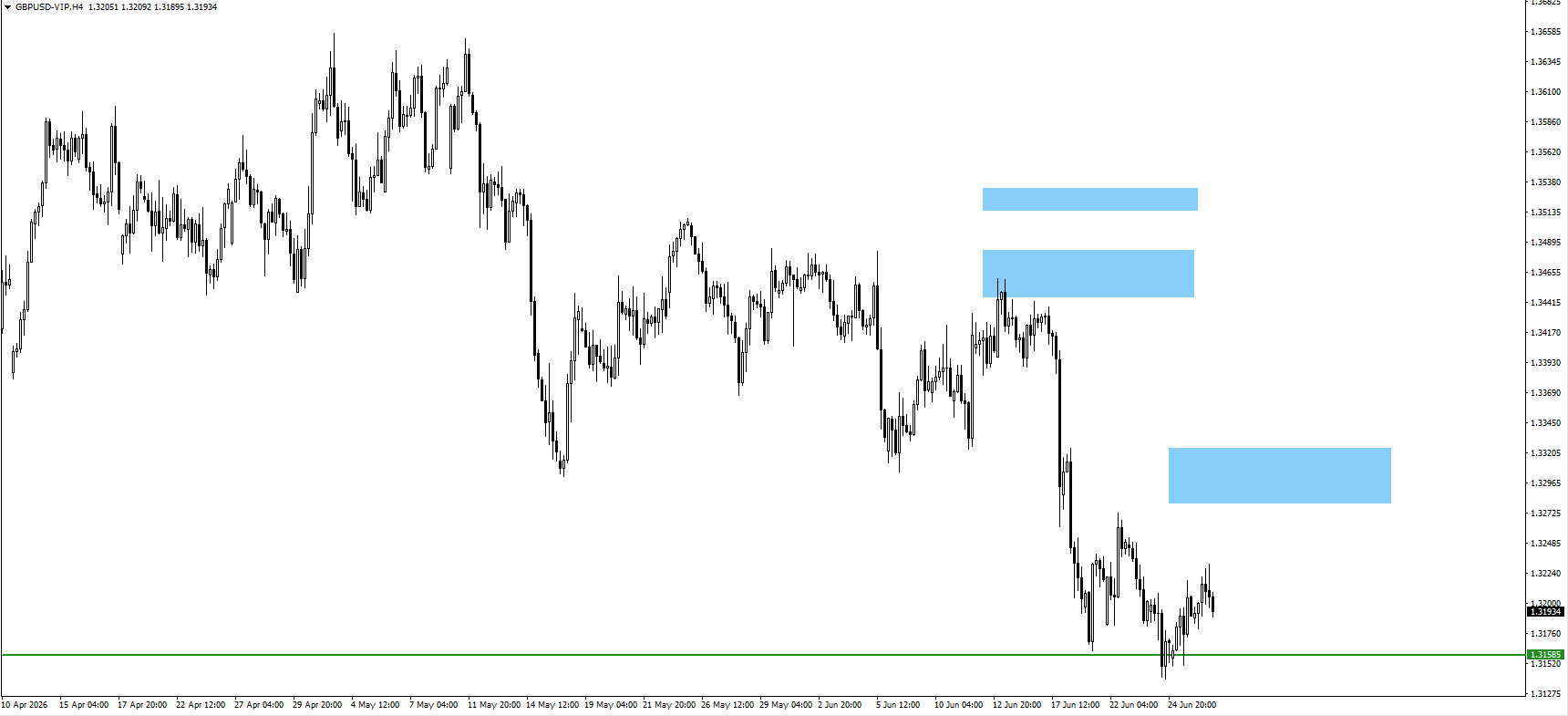
- GBPUSD may continue to consolidate higher in the short term.
- Traders should watch 1.3300, with a possible break above 1.33243 before a reversal.
- If price turns lower, 1.3070 becomes the next monitored area.
USDJPY
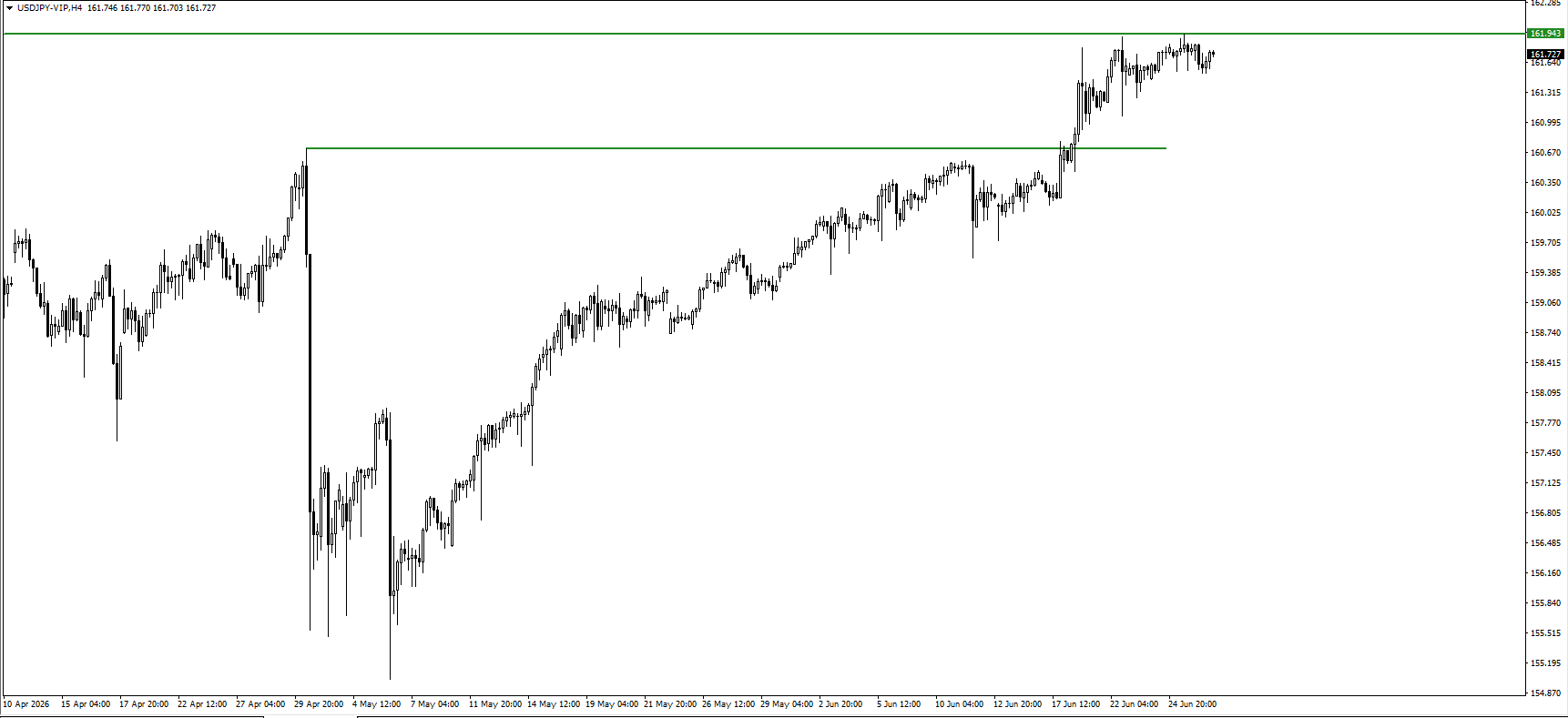
- USDJPY is trading close to all-time high territory.
- The key breakout level is 161.943.
- A break above that area could extend upside risk, but intervention risk may increase.
USOil
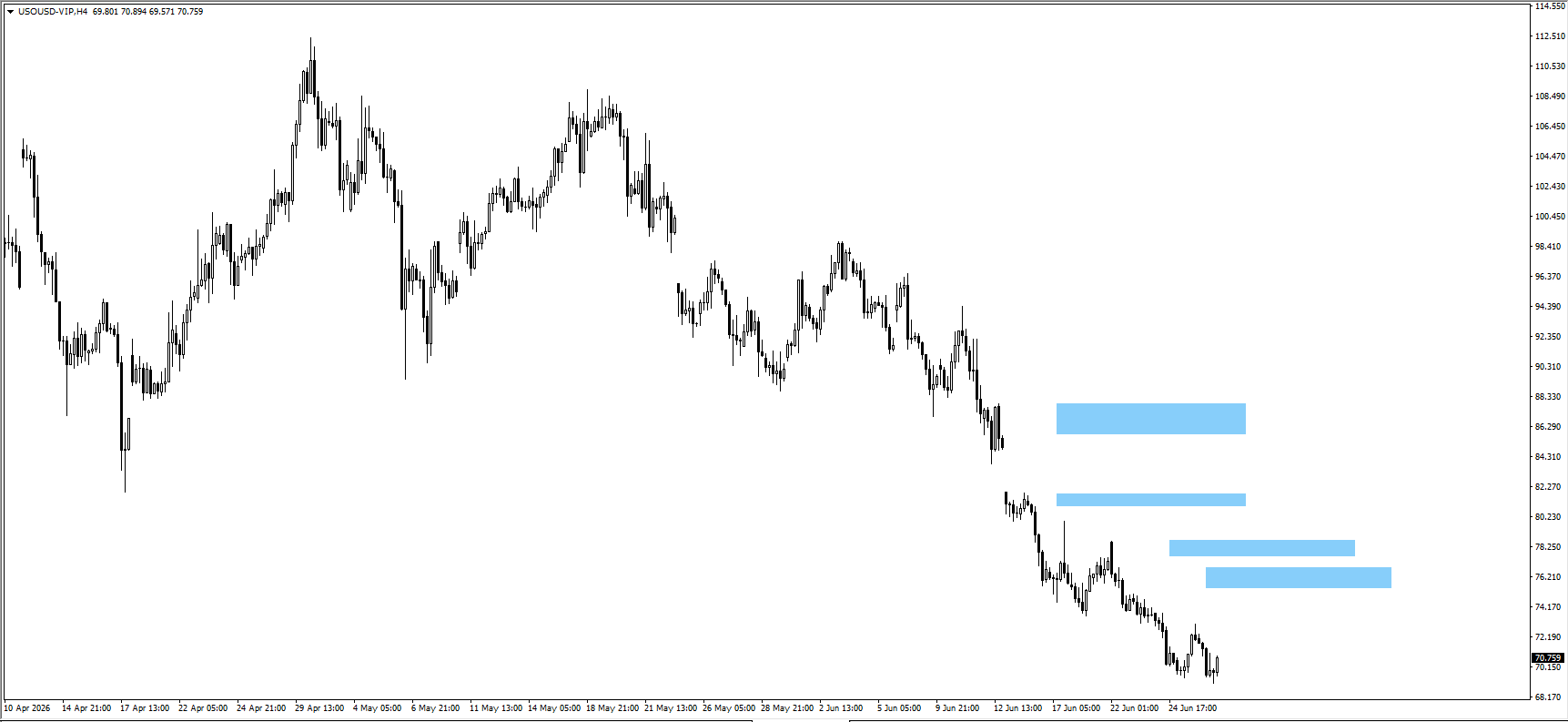
- USOil remains under pressure after the sharp fall in crude.
- If price trades higher, 75.80 becomes the first key rebound zone.
- A stronger recovery would shift focus to 77.80.
Gold
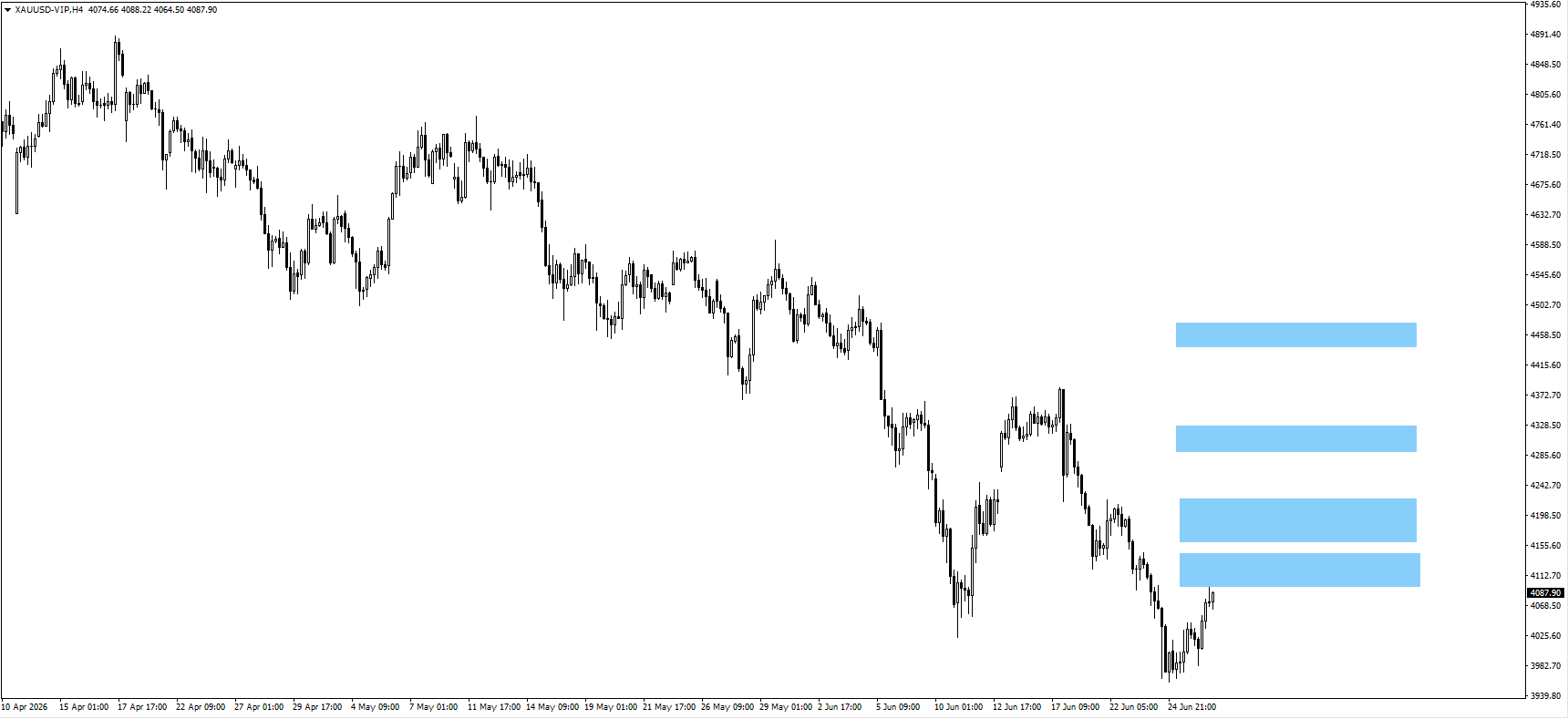
- Gold has started to move higher as expected from the previous structure.
- The next monitored area is 4115.
- If price trades higher, 4180 becomes the next resistance zone.
SP500
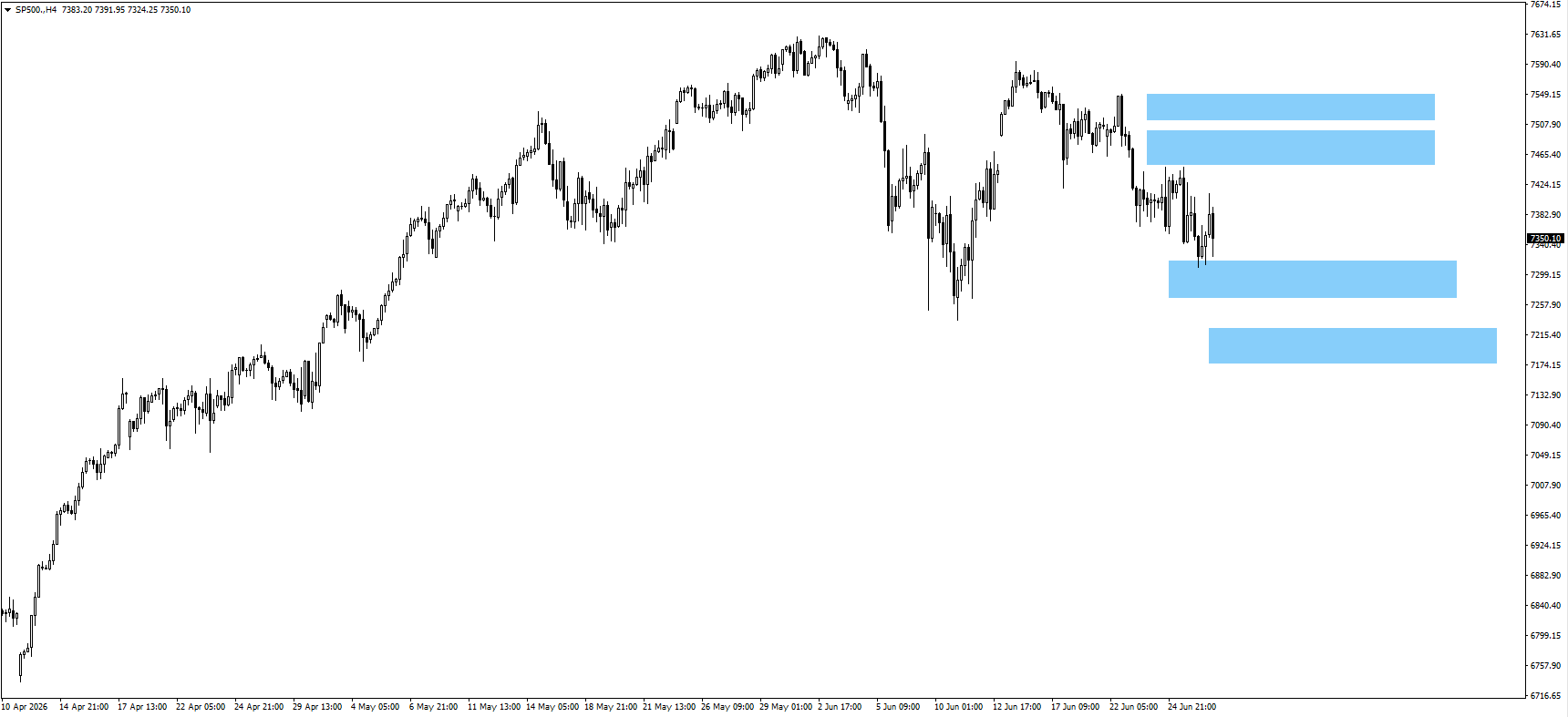
- SP500 found support around the 7320 area.
- If buyers defend this zone, the index may attempt to stabilise.
- If price trades lower, 7200 becomes the next monitored support.
Bitcoin
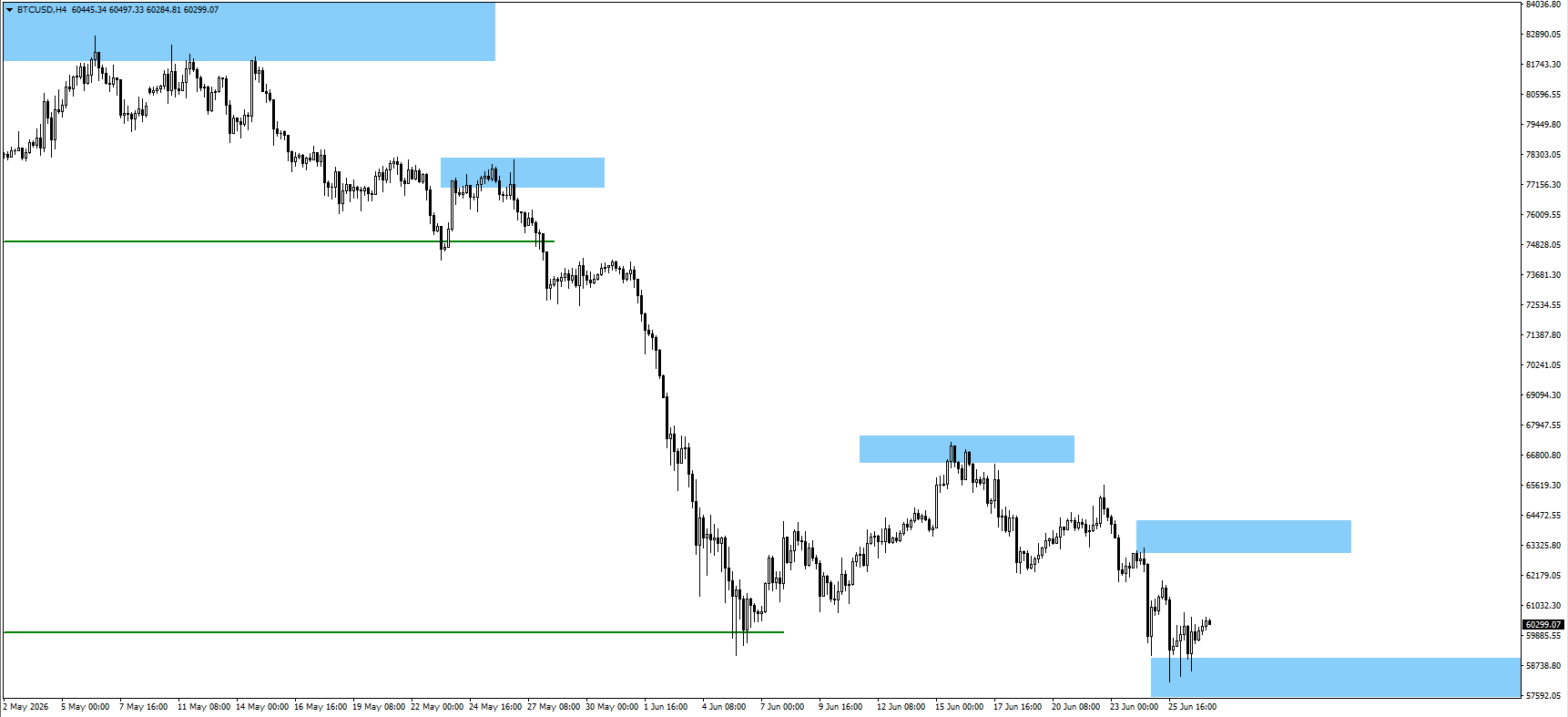
- Bitcoin is trading near the 58700 monitored area.
- If price weakens from here, 54000 becomes the next downside level.
- A recovery needs stronger risk appetite and a softer dollar backdrop.
Bottom Line
- Oil has cooled, but inflation relief may take weeks or months to fully appear.
- The Fed may shift from hike risk to hold risk if labour data and inflation both soften.
- USDX, gold, USOil, SP500 and Bitcoin should give the clearest read on market confidence this week.
Create a live VT Markets account today to access our platform features, including market insights and educational content.
Technical levels are the author’s opinion and are not issued by VT Markets. They are not financial advice.
FAQs
Why Have Oil Prices Fallen?
Oil has fallen because traders have removed part of the Iran-war premium. The market is pricing less risk around supply disruption, shipping routes and energy infrastructure. The peace process still needs to hold for that move to continue.
Why Has Inflation Not Fallen Immediately?
Inflation data moves with a lag. Gasoline can adjust within a few weeks, but transport, freight and goods prices take longer. Core inflation takes even longer because it includes sticky areas such as rent, healthcare, services and wages.
What Is The Main Event This Week?
The US Non-Farm Employment report is the main scheduled event. Markets expect 114K jobs after 172K previously, while unemployment is expected to hold at 4.3%.
What Should Traders Watch In USDX?
USDX has pulled back from 101.55. The next support area is 100.05, while 102.50 is the upside level to watch if the dollar recovers.
What Are The Key Gold Levels?
Gold has started to rebound. The next monitored areas are 4115 and 4180. A weaker dollar could support the move, while renewed rate-hike fears could cap it.
Start trading now – Click here to create your real VT Markets account





