







Key points
- Market resilience suggests the Fed has less incentive to pivot, keeping the “higher for longer” narrative at the forefront.
- A forecasted jump in CPI y/y to 3.7% could provide the fundamental fuel needed for a sustained USDX breakout.
- The breakdown in US-Iran negotiations has cemented a floor for USOIL, creating a persistent inflationary “tax” on global growth.
- The Fed Chair Nomination Vote for Kevin Warsh on 13 May represents a potential hawkish shift in institutional sentiment.
- Major assets like Gold and BTCUSD are testing structural barriers that require clear macro catalysts to breach.
The US economy recently handed the Federal Reserve a licence to stay hawkish. With 115,000 jobs added in April and unemployment holding at 4.3 percent, the labour market is ignoring the weight of Brent crude trading above $100. This resilience effectively puts immediate rate cuts on ice while the market adjusts to a stronger growth narrative.
The core macro tension now shifts to whether the upcoming inflation data will force a structural shift in the USDX. While equity markets remain at record highs, the combination of stalled geopolitical talks and sticky inflation is starting to squeeze the soft-landing story. Traders are looking for confirmation that the dollar breakout is the real deal.
US Labour Resilience and the Fed Path
The April Nonfarm Payrolls report delivered a 115,000 gain, proving the US economy remains too warm for a policy pivot. This data removes the pressure for early easing while the unemployment rate stays stable at 4.3%. For traders, this translates to a higher for longer environment where the dollar finds natural support against its peers.
A strong payroll print gives the Fed a green light to stay aggressive while energy prices remain elevated.
China Summit Adds A Second Macro Test
The Trump-Xi summit in Beijing adds a second major catalyst to the week. The meeting is expected to take place on 14 and 15 May, with trade, Iran, Taiwan, nuclear weapons, artificial intelligence, rare earths, and potential Chinese purchases of US aviation, agriculture, and energy products on the agenda.
The summit touches nearly every major cross-asset theme. A constructive tone could support equities, ease trade-risk premiums, and help stabilise China-linked sentiment. A tense outcome could strengthen haven demand, pressure CNH-sensitive assets, and keep traders defensive across commodities and global indices.
Oil is the key link between the summit and the inflation story. The US is expected to push China on Iran, while markets remain focused on whether diplomacy can lower energy-risk premiums. If talks fail to calm the geopolitical backdrop, crude prices may stay firm, keeping pressure on transport costs, production margins, and inflation expectations.
Middle East Standoff Drives Energy Risks
Geopolitics is back in the driver’s seat after peace negotiations between the US and Iran hit a brick wall. With USOIL and Brent crude anchored above $100, the inflationary pressure on transport and production costs is intensifying. This supply side shock is currently the biggest hurdle for global central banks looking to ease monetary policy.
Persistent oil prices above $100 act as a direct tax on the global consumer and complicate the disinflation process.
Institutional Shift: The Warsh Nomination
Markets are bracing for the 13 May vote on the Fed Chair Nomination. Kevin Warsh is widely expected to be confirmed, bringing a more hawkish and reformist reputation to the central bank.
Any unexpected friction during the vote or hawkish rhetoric in the confirmation could trigger a sharp repricing of bond yields and catch dollar bears off guard.
A change in leadership at the Fed could trigger a structural repricing of the dollar and US Treasuries.
Key Symbols to Watch
- USDX
- XAUUSD
- SP500
- BTCUSD
Upcoming Events Table
| Date | Currency | Event | Forecast | Previous | Analyst Remarks |
| 12 May | USD | CPI y/y | 3.70% | 3.30% | Hotter print likely catapults USDX through resistance |
| 13 May | USD | Fed Chair Vote | Warsh | N/A | Market prices in a win but watch for tactical surprises |
| 13 May | USD | PPI m/m | 0.50% | 0.50% | Crucial for gauging pass-through of $100 oil to consumers |
| 14 May | GBP | GDP m/m | -0.20% | 0.50% | Contraction risks making GBPUSD a major laggard |
For a full view of upcoming economic events, check out VT Markets’ Economic Calendar.
Key Movements of the Week
USDX (US Dollar Index)
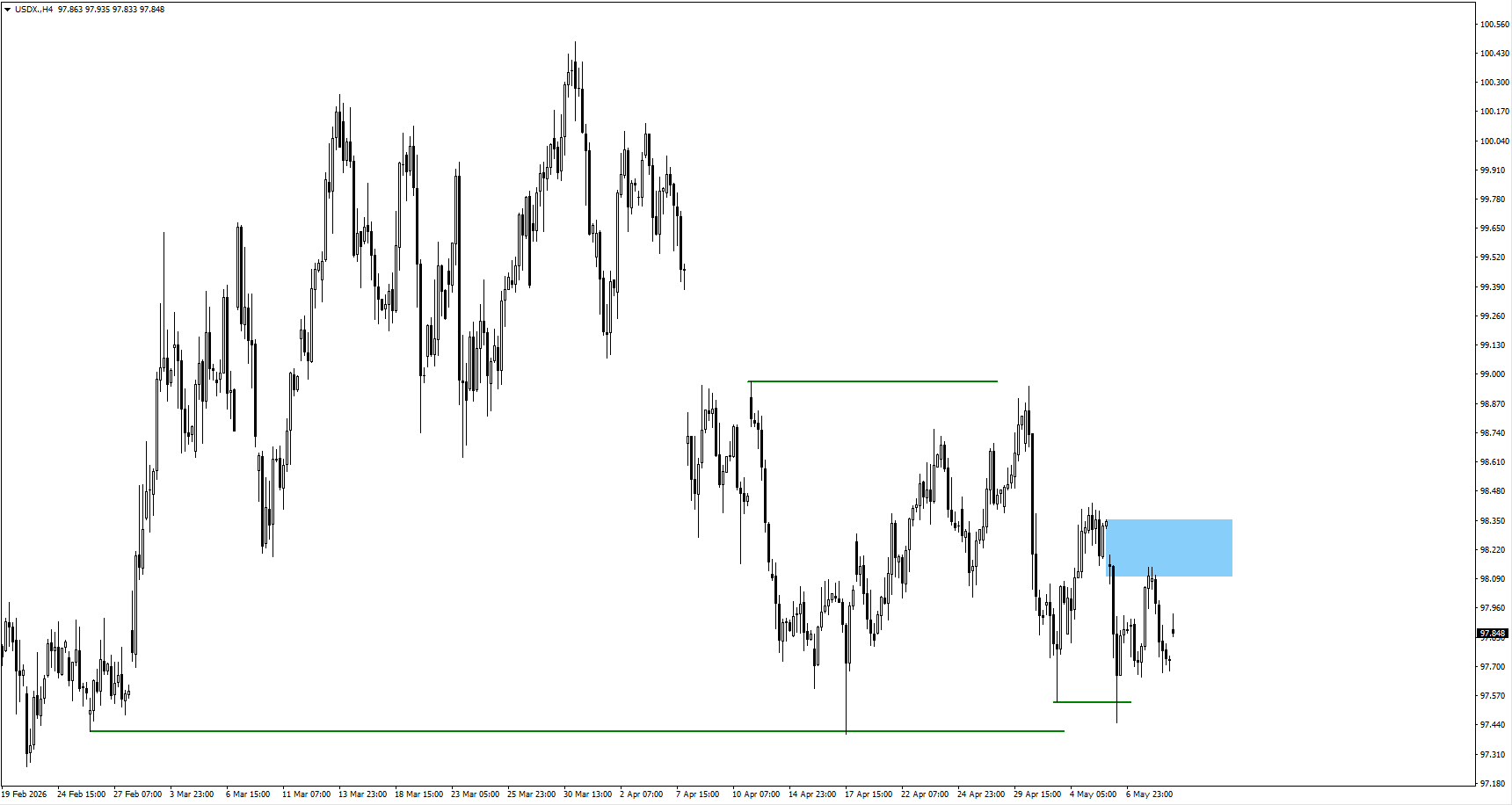
- The index gapped up from the 98.10 monitored area, showing aggressive buyer intent.
- If bulls fail to defend this gap, the 97.449 swing low becomes the primary downside target.
- A clean hold above the gap confirms the start of a broader bullish cycle.
XAUUSD (Gold)
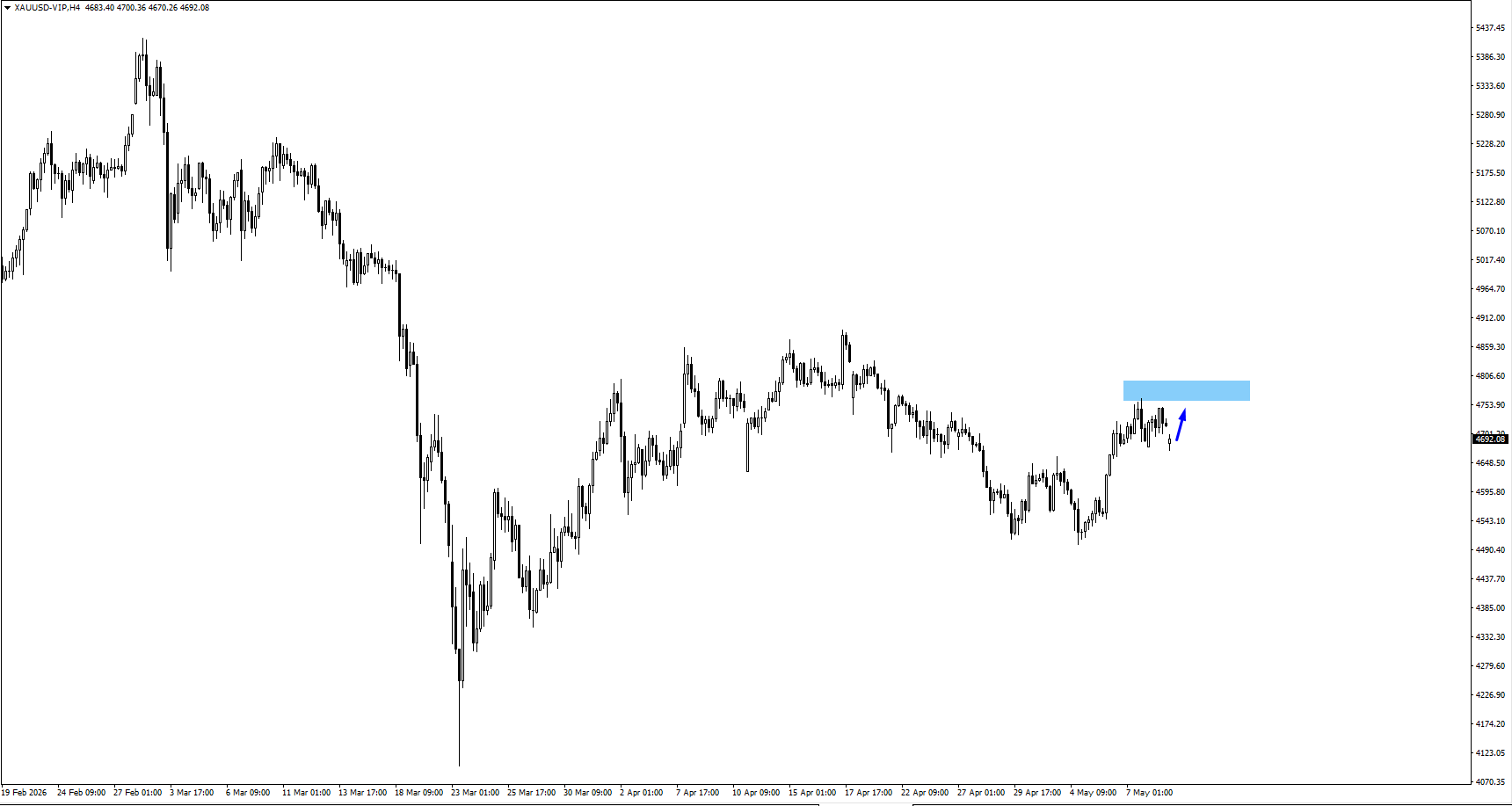
- Gold gapped down following the latest dollar strength but remains technically supported by geopolitical risks.
- Traders are looking for a retest of the 4820 area.
- Stalled Middle East peace talks provide a firm technical floor for the metal despite higher yields.
SP500
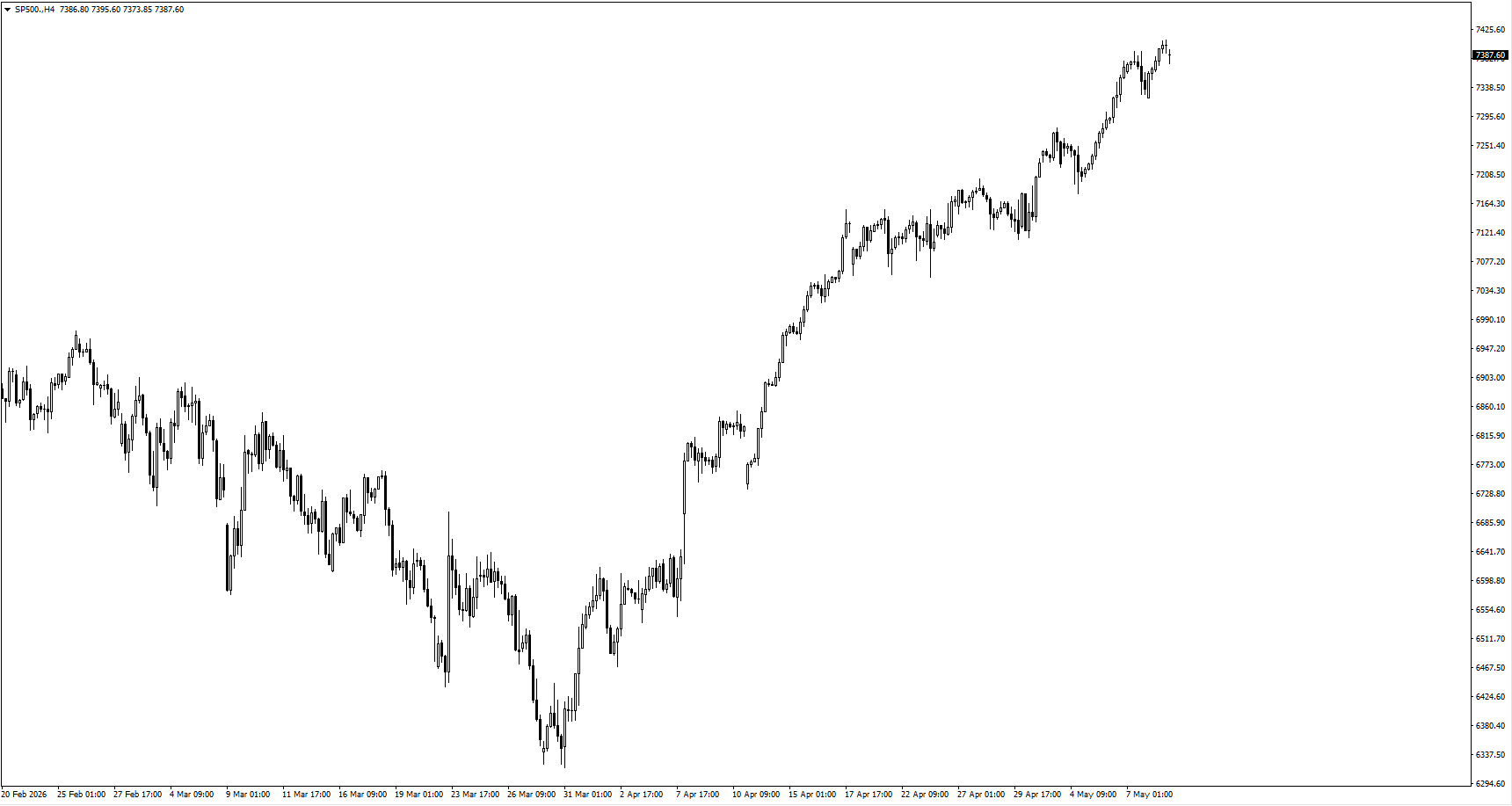
- The index is trading at record all-time highs but shows signs of momentum exhaustion.
- A breach of the 7110 swing low would confirm a short-term trend reversal and likely trigger a cascade of sell orders.
BTCUSD (Bitcoin)
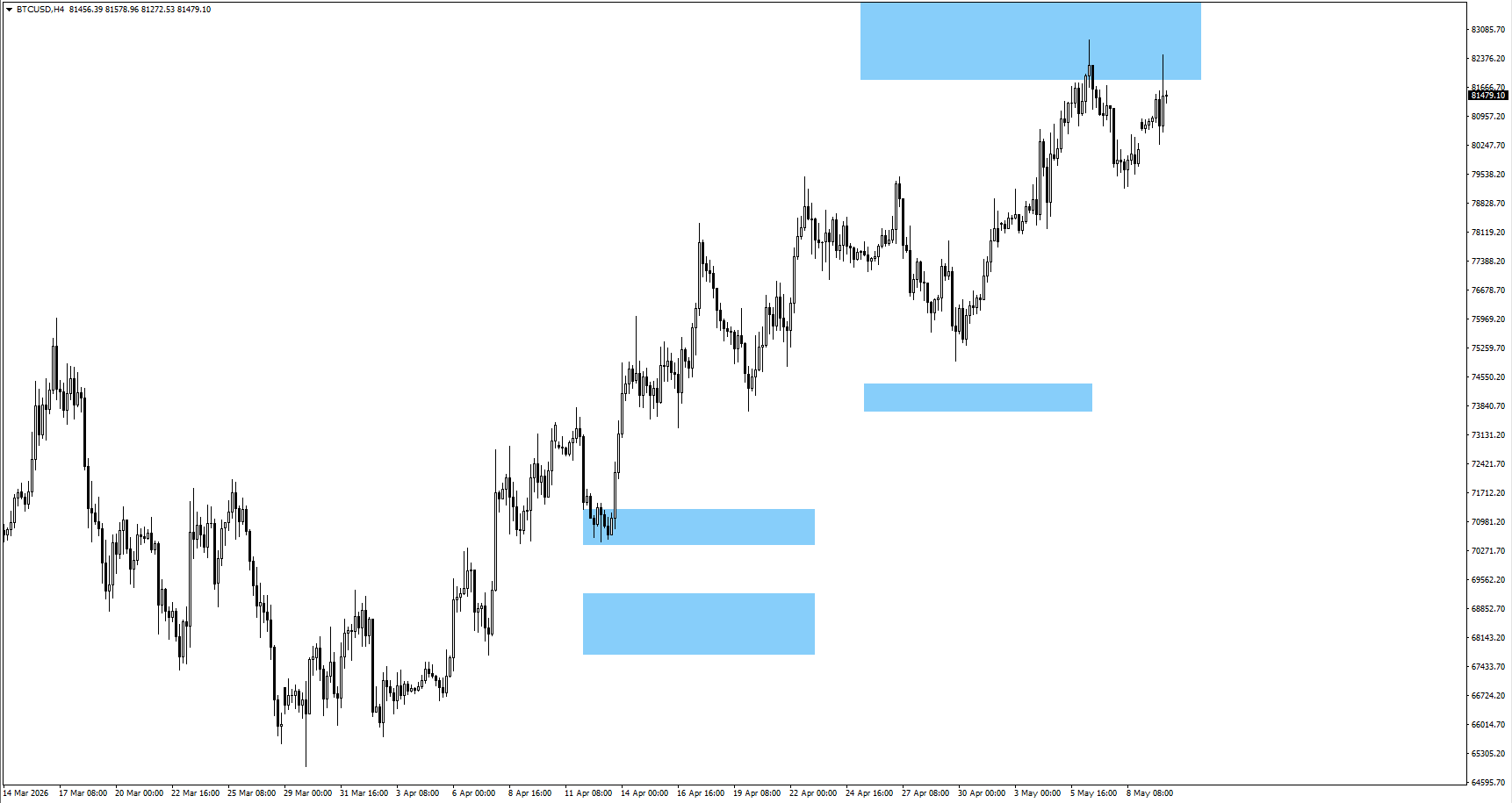
- Bitcoin is currently consolidating below the 83000 resistance handle after a failed attempt higher.
- The upcoming Clarity Act vote is the main fundamental driver.
- A successful break of the current range clears the path for a technical extension to 89500.
Bottom Line
The US labour market’s refusal to cool down gives the Federal Reserve zero incentive to pivot, especially with USOIL anchored above $100. While equity markets remain resilient at record highs, the primary risk for the week sits with the 12 May CPI release. Traders should treat the 97.449 level on the USDX as the pivot point for all dollar-denominated risk.
Create a live VT Markets account today to access our platform features, including market insights and educational content.
Trader FAQs
Did the NFP beat end the rate-cut debate?
The 115,000 gain and stable 4.3% unemployment make it very difficult for the Fed to justify cuts before the second half of the year.
Why did Gold gap lower while Oil gapped higher?
Oil reacted to specific supply-side geopolitical risks from the Iran impasse, while Gold felt the immediate weight of a stronger US Dollar.
What level confirms a trend change for the USDX?
Keep a close eye on the 97.449 swing low; a break below this level nullifies the current bullish gap-up narrative.
Start trading now – Click here to create your real VT Markets account





