






Key Takeaways
- Gold remains one of the world’s most actively traded markets due to its liquidity, visibility, and sensitivity to major economic and geopolitical events.
- In trading, gold is commonly accessed through XAUUSD, which allows price exposure without owning physical bars or coins.
- Gold attracts traders because it is seen as a traditional safe haven and can offer strong price movement.
- Broker quality matters in gold trading because execution, spreads, platform stability, liquidity, and trading volume can all affect performance.
- VT Markets stands out through stable execution, deep liquidity, competitive spreads, and resilient performance in volatile conditions.
- In January 2026, VT Markets recorded USD 1.5 trillion in gold trading volume, with 20% of gold traders on the platform being new.
Gold has long been one of the world’s most recognised assets, valued for both its rarity and its long-standing role as a store of value during periods of uncertainty.
In modern markets, it remains highly relevant. Gold often responds to inflation trends, interest rate expectations, movements in the US dollar, and geopolitical developments, which is why it continues to be one of the most actively traded markets globally.
What Is Gold in Trading?
In trading, gold usually refers to exposure to its market price rather than the purchase of physical bars or coins. Traders use financial instruments that track gold’s value, allowing them to speculate on price movements without dealing with storage, insurance, or physical delivery.
One of the most common ways to trade gold is through XAUUSD, which represents the price of one ounce of gold in US dollars.
This gives traders flexibility in how they approach the market:
- If gold prices rise, traders with a bullish view may look to benefit from the upward move
- If gold prices fall, traders may also find opportunities on the downside, depending on the product they are using
This is one of the key reasons gold trading remains so attractive. It gives market participants a practical way to access price movement in one of the world’s most important assets.
XAUUSD Gold Price Live Update
Why Is Gold So Popular
Gold’s importance in global finance and its continued role in modern trading have helped maintain its appeal across different market conditions.
1. A traditional safe haven
When confidence in the economy weakens, many market participants start paying closer attention to gold. This often happens during periods of rising inflation, recession concerns, banking stress, or geopolitical conflict.
The reason is simple. Gold has a long history of holding perceived value over time and is not tied to the performance of one company or one country’s currency. Because of this, it is often seen as an asset where capital may move during uncertain periods.
2. Moved by major global events
Gold prices often respond quickly to major economic news. Traders watch gold closely during key events that can shift sentiment or change expectations around monetary policy.
Common catalysts include:
- Inflation data such as CPI reports
- Central bank interest rate decisions
- Federal Reserve guidance
- US dollar strength or weakness
- War or geopolitical tensions
- Recession risks or weak economic data
This gives traders clear themes to monitor. Instead of relying only on technical charts, many also use economic calendars and headlines to understand what drives the price movement.
3. Strong trading opportunities
One reason gold remains popular with traders is its ability to generate meaningful price movement and active trading conditions.
Its liquidity and volatility can create opportunities for short-term traders using momentum, breakout, or pullback strategies. Swing traders may also find opportunities when broader trends develop over several days or weeks.
While movement can create opportunity, it also increases risk, which is why discipline and risk management remain important.
4. Backed by deep liquidity
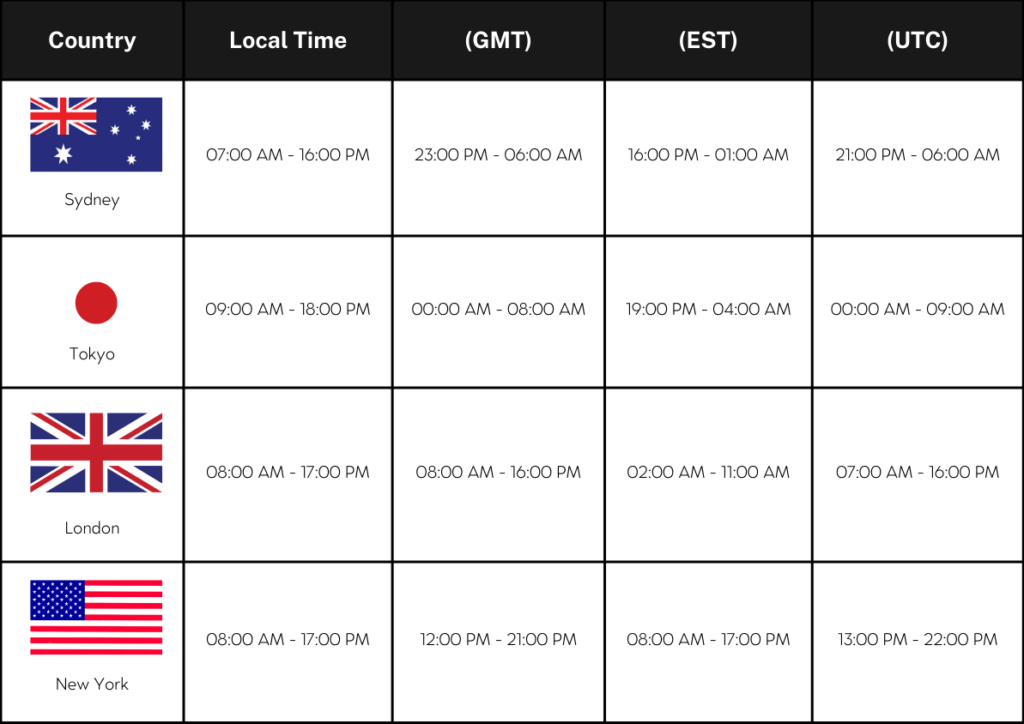
Gold is traded across Asian, European, and US sessions, with participation from institutions, banks, hedge funds, central banks, and retail traders.
High liquidity can be beneficial because it often supports:
- Smoother market access
- Tighter pricing in normal conditions
- Faster order matching
- Consistent trading activity across time zones
This is one reason many traders prefer gold over smaller or less active markets where pricing can be thinner.
5. Supported by broad market coverage
Gold receives constant attention from analysts, institutions, and financial media around the world. Because of this, traders can usually access regular market updates, expert commentary, and economic insights that help explain price movement.
This broad coverage can make gold easier to follow than more niche markets where information may be limited.
Best Time to Trade Gold
Gold does not move in the same way throughout the day. Liquidity and volatility tend to build during specific sessions.
The most active period for gold trading is the London–New York session overlaps, typically between 12:00 PM and 4:00 PM GMT. During this window, institutional participation increases, spreads tighten, and breakout moves are more common.
Gold is also highly reactive to major economic releases such as:
- US CPI and inflation data
- Non-Farm Payrolls (NFP)
- Federal Reserve interest rate decisions
Interested in tracking price movements for Gold? Download the VT Markets app to monitor real-time CFD price action.
For a broader market outlook, explore our Gold Value Trend 2026: Price Forecast, Charts & Investment Guide.
Why Choosing the Right Broker Matters for Gold Trading
A broker plays an important role in gold trading, especially when market conditions become more demanding.
Below are some of the main factors that can influence how smoothly and efficiently traders are able to operate:
| What matters | Why it matters in gold trading |
| Execution speed | Gold prices can move quickly during major news events or periods of market stress. Even short delays may lead to a different entry or exit price than expected. Faster execution helps traders respond more efficiently. |
| Competitive spreads | The spread is one of the main costs of trading. Wider spreads can reduce efficiency, especially for active traders or shorter-term strategies. Many traders also look at whether spreads remain reasonable during volatile periods. |
| Platform stability | The real test of a platform often comes during busy market sessions. During inflation releases, central bank announcements, or geopolitical shocks, weaker platforms may slow down or disconnect. Reliable access is essential for managing positions smoothly. |
| Liquidity access | Strong liquidity can support smoother pricing, faster order matching, and better fill quality. This is especially valuable when trading activity increases sharply. |
| Trading volume | Strong gold trading volume may reflect active participation and confidence in the broker’s trading environment. Consistent volume during volatile periods can also indicate the ability to handle heavier demand. |
| Trading tools and support | Good charting, technical indicators, mobile access, and clear order management can improve the trading process. Responsive support can also be valuable when quick assistance is needed. |
For gold traders, these factors can matter just as much as the market direction itself. Even a strong trade idea may be affected by slow execution, wide spreads, weak liquidity, or poor platform performance.
Why VT Markets Stands Out for Gold Trading
Not all brokers perform equally when it comes to gold trading. While many offer access to XAUUSD, differences in execution quality, pricing consistency, and platform stability often become more visible during periods of high volatility.
VT Markets is structured to perform in these conditions, where execution and reliability matter most.
1. Proven trading activity during peak volatility
According to internal platform data, VT Markets recorded USD 1.5 trillion in gold trading volume in January 2026, during a period of heightened activity in the precious metals market.
The platform also saw its highest daily gold trading volume on 29 January 2026, a session characterised by sharp price swings across global markets.
Sustained trading activity at this scale suggests that traders continue to engage with the platform during demanding conditions, where execution quality and stability are most tested.
Notably, 20% of gold traders during this period were new to the platform, indicating continued adoption as market opportunities expanded.
2. Consistent execution during high-impact market events
Gold is particularly sensitive to macroeconomic releases such as US CPI, Non-Farm Payrolls, and Federal Reserve rate decisions. During these periods, price movement can accelerate quickly, and execution delays or slippage may affect trade outcomes.
VT Markets is designed to maintain stable order execution during fast-moving conditions, allowing traders to enter and manage positions with greater consistency compared to environments where latency or requotes become more frequent.
3. Access to deep and diversified liquidity
Gold trading relies heavily on liquidity, especially during session overlaps and news-driven volatility.
VT Markets provides access to aggregated liquidity from multiple providers, which helps support:
- More stable pricing during active sessions
- Reduced slippage during larger orders
- More efficient order matching in fast markets
This becomes particularly relevant when compared to brokers with thinner liquidity pools, where pricing gaps and execution inconsistency may occur more often.
4. Competitive and consistent pricing
While many brokers advertise low spreads, actual trading costs can vary depending on market conditions.
VT Markets focuses on maintaining competitive spreads on gold and silver, with pricing that remains relatively stable even as volatility increases. For active traders or short-term strategies, this consistency can have a meaningful impact on overall trading costs over time.
5. Platform stability under volatile conditions
Periods of elevated volatility often place significant strain on trading infrastructure. Platform slowdowns, disconnections, or order delays can directly affect trading decisions.
VT Markets has demonstrated the ability to maintain stable platform performance during high-volume sessions, supporting uninterrupted access when market conditions become more demanding.
Tips for Trading Gold
Gold can offer strong trading opportunities, but turning those opportunities into consistent decisions usually requires preparation, discipline, and risk awareness.
1. Follow major economic events
Gold is highly sensitive to macroeconomic news, so it is important to know when key events are due. Traders often watch inflation reports, central bank meetings, Federal Reserve comments, employment data, and major geopolitical developments because these can quickly shift expectations around interest rates, growth, and market sentiment.
Knowing when these events are scheduled allows traders to prepare in advance rather than react too late. Many use an economic calendar to plan exposure, reduce unnecessary risk before major releases, or look for opportunities once volatility enters the market.
2. Watch the US dollar
The US dollar remains one of the most important influences on gold. In many cases, the two tend to move in opposite directions. When the dollar weakens, gold may become more attractive. When the dollar strengthens, gold can come under pressure.
This relationship does not hold perfectly every day, but it remains a useful theme to monitor. Watching the dollar index, interest rate expectations, and Federal Reserve guidance can help traders understand the broader backdrop more clearly.
3. Use risk management
Gold can move quickly, which makes risk management essential. Even when the broader market view is reasonable, short-term swings can still trigger losses if positions are too large or stops are not used properly.
Practical habits include using stop-loss orders, keeping position sizes reasonable, avoiding excessive leverage, and knowing how much of the account is at risk before opening a trade. A disciplined approach helps traders stay in control when sentiment shifts suddenly.
4. Combine technical and fundamental analysis
Many traders find it more effective to combine technical and fundamental analysis rather than rely on only one approach. Technical tools can help identify support and resistance, trends, breakout levels, and trade entries. Fundamental analysis helps provide the bigger picture behind price movement.
Used together, these approaches can offer a more balanced view. A trader may have a bullish outlook on gold, for example, but still wait for a technical pullback or breakout confirmation before entering.
5. Adjust to market volatility
Gold is known for active price movement, but volatility is not constant. Some sessions are relatively calm, while others can become much more unstable, especially around major data releases or unexpected headlines.
When volatility rises, spreads may widen, price swings may become sharper, and trades may require wider risk parameters. Traders who recognise this early are often better prepared to adjust position size, timing, and expectations.
6. Stay patient and avoid overtrading
Not every session offers a high-quality setup. Sometimes the market is unclear, price action is choppy, or conditions simply do not match the strategy.
Patience matters because overtrading often leads to weaker decisions. Many experienced traders would rather wait for a cleaner setup than trade every move. In a market like gold, being selective is often more effective than being constantly active.
For a more detailed technical overview, including chart-based methods and beginner-friendly guidance, explore our articles:
- Complete Beginner’s Guide to Gold Trading
- The Ultimate Guide to Gold Investing: Stocks, Futures, and Strategies That Stand the Test of Time
- 7 Chart Patterns That Could’ve Made You Returns on Gold
Take your next step in gold trading with VT Markets.
Open an account with VT Markets today to access XAUUSD with competitive trading conditions, reliable execution, and real-time market access.
Frequently Asked Questions
1. What is gold trading?
Gold trading refers to speculating on the price movement of gold rather than buying and holding physical bars or coins. Traders usually access gold through financial instruments that track its market price, allowing them to trade rising or falling price movements more easily.
2. What is XAUUSD?
XAUUSD is the trading symbol that represents the price of one ounce of gold in US dollars. It is one of the most common ways traders access the gold market online.
3. Why is gold one of the most popular markets?
Gold remains popular because it has a long history as a store of value, is often seen as a safe haven during uncertain times, and reacts strongly to inflation, interest rates, US dollar movements, and geopolitical developments. Its liquidity and active price movement also make it attractive to traders.
4. What moves gold prices the most?
Gold prices are often influenced by inflation data, central bank decisions, Federal Reserve guidance, US dollar strength or weakness, geopolitical tensions, and recession concerns. These factors can quickly shift market sentiment and trading activity.
5. When is the best time to trade gold?
One of the most active periods for gold trading is usually the London–New York session overlap, typically between 12:00 PM and 4:00 PM GMT. Gold can also become especially active during major US economic releases such as CPI, Non-Farm Payrolls, and Federal Reserve rate decisions.
6. Why does broker choice matter when trading gold?
Broker quality matters because gold can move quickly, especially during volatile periods. Execution speed, spread competitiveness, platform stability, liquidity access, and trading tools can all influence how efficiently traders are able to enter, manage, and exit positions.
7. Why does VT Markets stand out for gold trading?
VT Markets stands out by combining competitive trading conditions with reliable performance during fast-moving gold markets. Its strengths include stable execution, deep liquidity, competitive spreads, and strong trading activity during periods of elevated volatility.
8. What was VT Markets’ gold trading volume in January 2026?
VT Markets recorded USD 1.5 trillion in gold trading volume in January 2026, reflecting strong trader participation during a highly active period in the precious metals market.
Start trading now – Click here to create your real VT Markets account





