Gold Price Forecast: Volatility Looms as PCE Inflation Data Awaits

Key Points:

  • PCE Data Impact: Anticipation of the US Personal Consumption Expenditures (PCE) Price Index release is causing marginal declines in gold prices, with potential volatility based on the results.
  • Long-Term Uptrend: Despite recent dips, gold’s long-term uptrend remains intact, suggesting continued strength as a stable investment.
  • Geopolitical Uncertainties: Ongoing geopolitical tensions, such as in the Middle East and Ukraine, are boosting gold demand as a safe haven.
  • FOMC Sentiment: Mixed outlook on future rate cuts from the Federal Open Market Committee creates uncertainty for gold investors, potentially leading to price fluctuations.

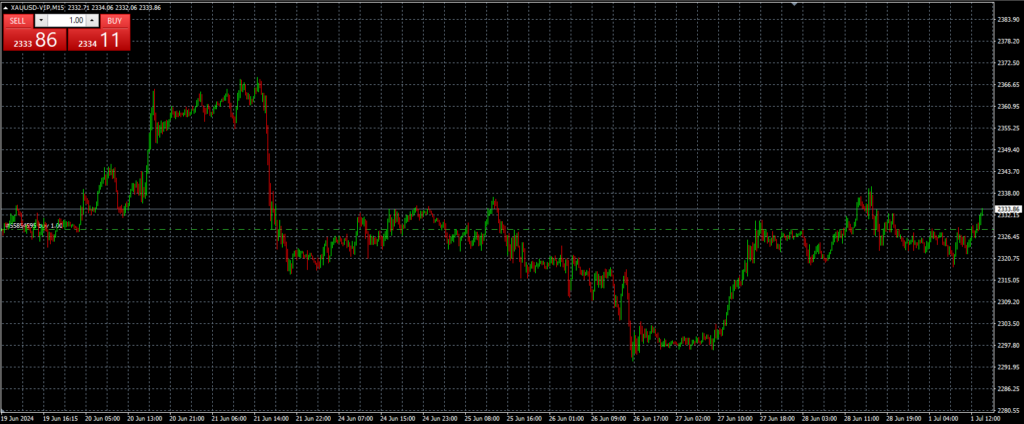
As we anticipate the release of the US Personal Consumption Expenditures (PCE) Price Index for June, gold (XAU/USD) prices edge marginally upper 0.33%, trading in the $2,400. This economic indicator could inject volatility into the market, potentially shaking the recent stability of gold prices.

Daily Digest Market Movers: Gold Price Recovers the $2,400 Figure

Gold traders are focused on the release of key economic data, including Durable Goods Orders, the preliminary Q2 GDP number, and the Core PCE for June. Durable Goods Orders are expected to increase from 0.1% to 0.4% month-over-month (MoM). The Gross Domestic Product (GDP) for Q2 is projected to rise from 1.4% in Q1 2024 to 1.9% quarter-over-quarter (QoQ), indicating that the economy is accelerating as the year progresses. The Fed’s preferred measure of inflation, the Core PCE, is expected to dip from 2.6% to 2.5% year-over-year (YoY). The latest Consumer Price Index (CPI) data revealed a continuation of the disinflation process in the United States (US), boosting gold prices and increasing the likelihood that the Fed will cut interest rates starting in September.
The PCE Data’s Impact on Gold Prices

The PCE data is crucial as it is the Federal Reserve’s preferred inflation gauge. Higher inflation could prompt the Fed to adjust interest rates, impacting gold prices as gold is a non-interest-bearing asset. Stable or rising consumer spending could support a resilient economy, potentially leading to higher interest rates, which might negatively impact gold. Strong business investment would indicate economic health, possibly leading to higher interest rates. A robust GDP report could bolster the case for higher interest rates, affecting gold’s appeal.

FOMC Sentiment and the Mixed Outlook on Rate Cuts

The Federal Open Market Committee (FOMC) has a mixed outlook on future rate cuts. While some members anticipate the need for rate cuts in the near future, others remain cautious, creating an environment of uncertainty for gold investors. This mixed sentiment can lead to fluctuations in gold prices as investors react to the potential changes in monetary policy.

Geopolitical Uncertainties Boost Gold Demand as a Safe Haven

Geopolitical uncertainties continue to significantly influence the demand for gold as a safe haven. Tensions in the Middle East and the ongoing conflict in Ukraine are prime examples. These events create a backdrop of instability, prompting investors to turn to gold to protect their wealth and thereby influencing its price.

Finance and Gold Price Volatility

Financial markets are poised to react strongly to the upcoming PCE data. An inflation rate higher than expected could lead to significant volatility in gold prices, as investors adjust their strategies based on the new economic information.

Experts Weigh in on PCE Data and Potential Rate Cuts

Jim Reid of Deutsche Bank predicts a slight increase in core PCE, which could lower the year-on-year rate to its lowest in over three years. Raphael Bostic, Atlanta Fed President, expects a rate cut in Q4, suggesting a potential series of cuts in 2025. Michelle Bowman, Fed Board of Governors, cautions that the Fed is not yet considering rate cuts.

Regional Factors Shaping Global Gold Demand

The global economic outlook remains mixed, with varying inflation and growth rates across regions influencing gold demand differently.
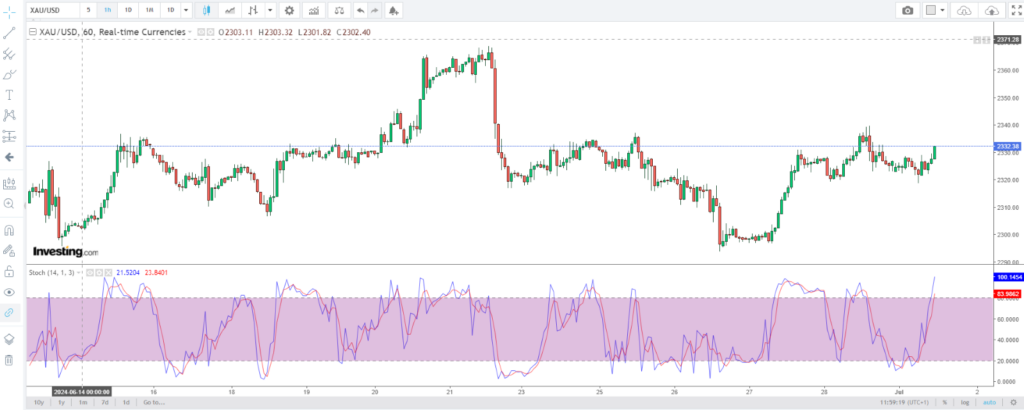
In the United States, potential volatility around the November election and the Federal Reserve’s interest rate decisions will be significant drivers of gold prices. These political and economic factors create an environment of uncertainty, which can lead to fluctuations in the demand for gold as investors seek safe havens.

In Asia, there is increased gold demand from central banks hedging against currency devaluation. This regional trend highlights the strategic importance of gold as a stable asset amidst economic uncertainties.

In Europe, economic stability and ongoing geopolitical tensions play a crucial role in shaping gold’s appeal. The region’s economic health and political landscape significantly influence investor sentiment towards gold. Understanding these regional dynamics is essential for comprehending the global factors that drive gold demand and influence its price movements.

Investors Prepare for Market Swings as Gold’s Long-Term Stability Shines

Gold prices are poised for potential volatility following the release of the PCE inflation data. While the long-term outlook remains positive, with gold benefiting from geopolitical uncertainties and a possible Fed rate cut, the immediate future may see fluctuations based on economic data and Fed commentary.

Investors should brace for potential market swings and consider the broader economic indicators and geopolitical events that could shape gold’s trajectory in the coming months. Despite short-term volatility, gold’s role as a stable, safe store of value continues to underpin its long-term attractiveness.
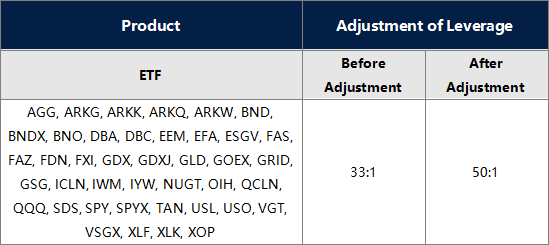
Product Adjustment on Leverage – July 25,2024

Dear Client,

To provide a more favorable trading environment for our clients, VT Markets will have leverage adjustment for certain products on July 29, 2024. Please check the details below:

The above data is for reference only, please refer to the MT5 platforms for the updated data.

Friendly reminders:
1. All product settings stay the same except for the leverage.
2. The margin requirement of the trade may be affected by this adjustment. Please make sure the funds in your account are sufficient to hold the position before this adjustment.

If you’d like more information, please don’t hesitate to contact info@vtmarkets.com.

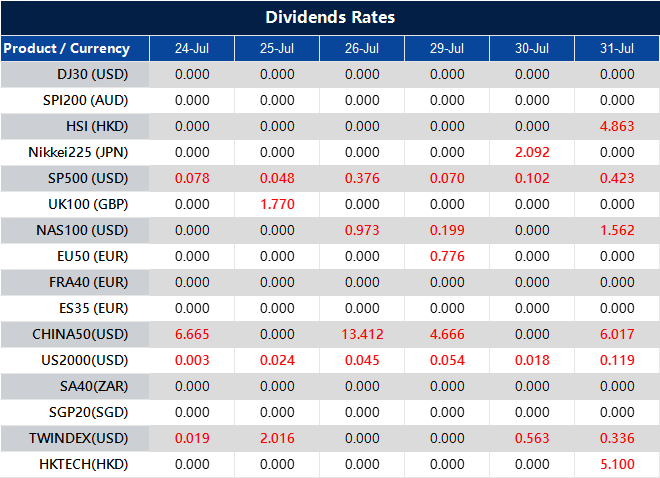
Dividend Adjustment Notice – July 25,2024

Dear Client,

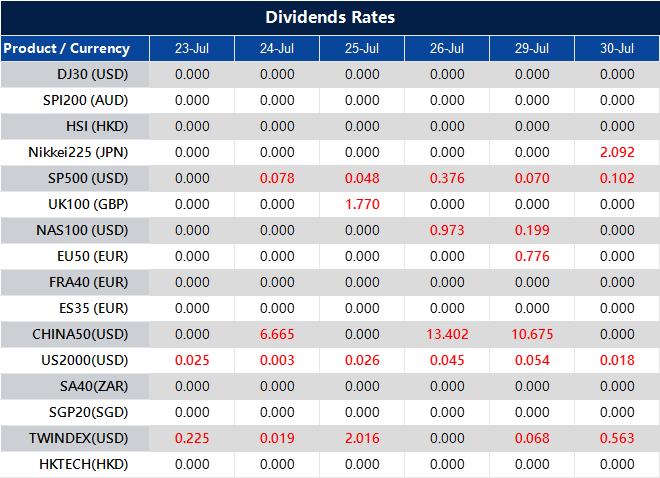
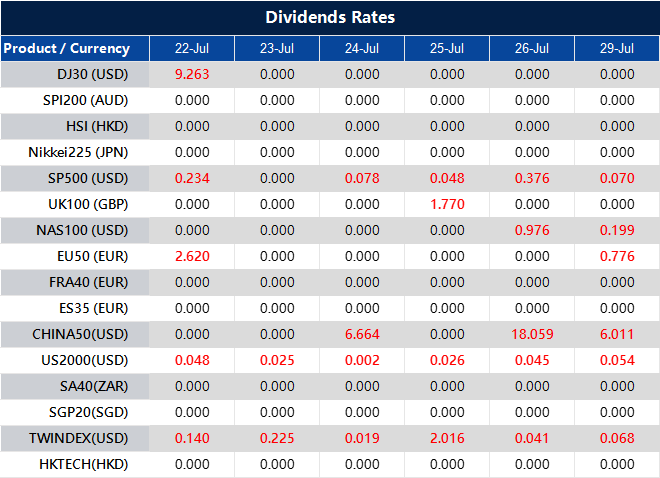
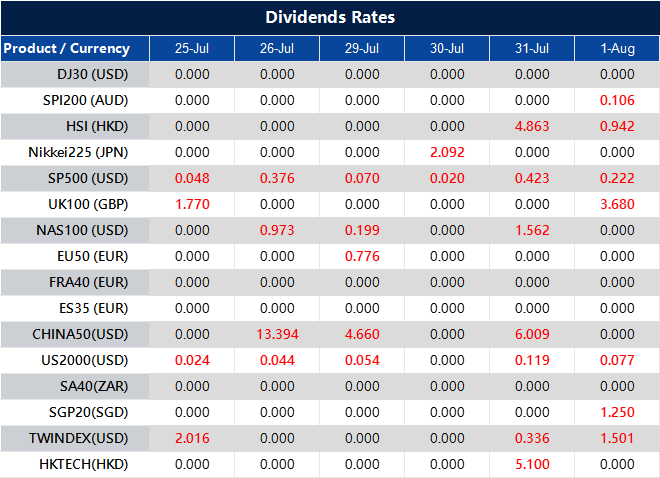
Please note that the dividends of the following products will be adjusted accordingly. Index dividends will be executed separately through a balance statement directly to your trading account, and the comment will be in the following format “Div & Product Name & Net Volume ”.

Please refer to the table below for more details:

The above data is for reference only, please refer to the MT4/MT5 software for specific data.

If you’d like more information, please don’t hesitate to contact info@vtmarkets.com.

Risk management with ETFs

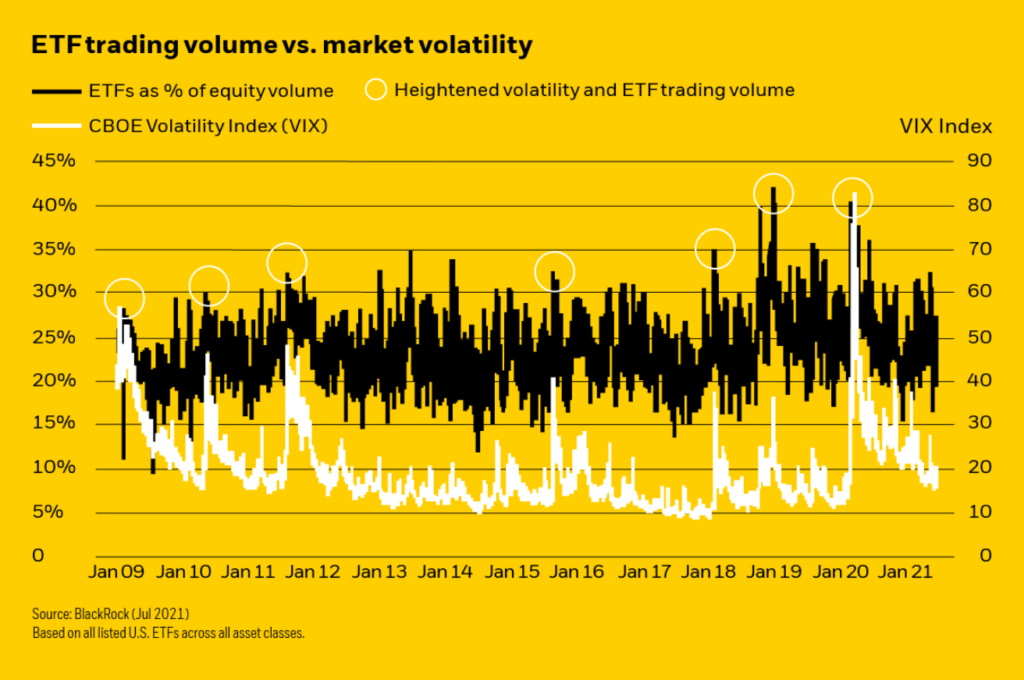
Exchange-traded funds (ETFs) have revolutionised the investment landscape, offering traders a versatile tool to access diverse markets. For traders, ETFs present an opportunity to implement sophisticated risk management strategies once reserved for institutional investors. This article explores how ETFs can be effectively used to manage risk in your trading portfolio.

Understanding ETFs and their risk profile

ETFs are investment funds traded on stock exchanges, much like individual stocks. They typically track an index, sector, commodity, or other assets, but can be bought and sold throughout the day like ordinary stock. Unlike mutual funds, ETFs offer greater flexibility and often come with lower fees.

While ETFs can mitigate some risks through diversification, they are not without their own set of risks. Market risk affects all investments, and ETFs are no exception. Tracking error, where an ETF’s performance deviates from its underlying index, is another consideration. Liquidity risk can also be a factor, especially for narrowly focused ETFs.

Diversification: The foundation of risk management

Diversification is a cornerstone of risk management, and ETFs excel at providing instant diversification. By investing in a single ETF, you can gain exposure to hundreds or even thousands of individual securities. This spreads risk across multiple companies, sectors, or even countries.

For maximum diversification, consider broad-market ETFs like those tracking the S&P 500 or total stock market indices. These provide exposure to a wide range of companies across various sectors, reducing the impact of poor performance from any single stock or industry.

Asset allocation with ETFs

Proper asset allocation is crucial for managing risk. ETFs make it easy to build a balanced portfolio across different asset classes. For example, you might use a combination of stock ETFs for growth, bond ETFs for stability, and commodity ETFs for inflation protection.

A simple yet effective allocation for a moderate-risk investor might look like:

– 60% in a total stock market ETF

– 30% in a broad bond market ETF

– 10% in a diversified commodity ETF

This allocation provides a mix of growth potential and stability, which can be easily adjusted based on your risk tolerance and investment goals.

Hedging strategies using ETFs

ETFs offer various hedging strategies to protect your portfolio during market downturns. Inverse ETFs, which move in the opposite direction of their underlying index, can be used to offset potential losses in your long positions. However, use these instruments cautiously, as they’re designed for short-term hedging and can be complex.

For example, consider an investor who holds $10,000 in an S&P 500 index ETF. If they’re concerned about a potential market downturn, they might hedge their position by investing $2,000 in an inverse S&P 500 ETF. If the S&P 500 falls by 5%, their main position would lose $500, but the inverse ETF would gain about $100 (5% of $2,000), reducing the overall loss to $400. This strategy can provide some protection against short-term market volatility.

It’s important to note that leveraged and inverse ETFs can be particularly risky and are generally not suitable for long-term, buy-and-hold investors. Always thoroughly understand these products before incorporating them into your strategy.

Managing sector-specific risks

Overexposure to specific sectors can increase portfolio risk. Sector ETFs allow you to balance your exposure or hedge against sector-specific risks. For instance, if you’re heavily invested in technology stocks, you might consider reducing risk by investing in a healthcare or utilities sector ETF.

Some traders use a sector rotation strategy, shifting investments between different sector ETFs based on the economic cycle. While this can be effective, it requires careful analysis and timely execution.

International diversification with ETFs

Expanding your portfolio internationally can reduce country-specific risks and potentially enhance returns. ETFs make it easy to invest in foreign markets without the complexities of directly owning foreign stocks.

This approach provides exposure to various international markets, potentially reducing risk through geographical diversification. In 2017, when the S&P 500 returned about 21.8%, the MSCI Emerging Markets Index returned 37.3%, demonstrating how international exposure can sometimes outperform domestic markets.

You can use country-specific ETFs to target particular markets or opt for regional ETFs for broader exposure. When investing internationally, be aware of currency risks. Some ETFs hedge currency exposure, while others don’t, affecting your returns as exchange rates fluctuate.

Risk management through regular rebalancing

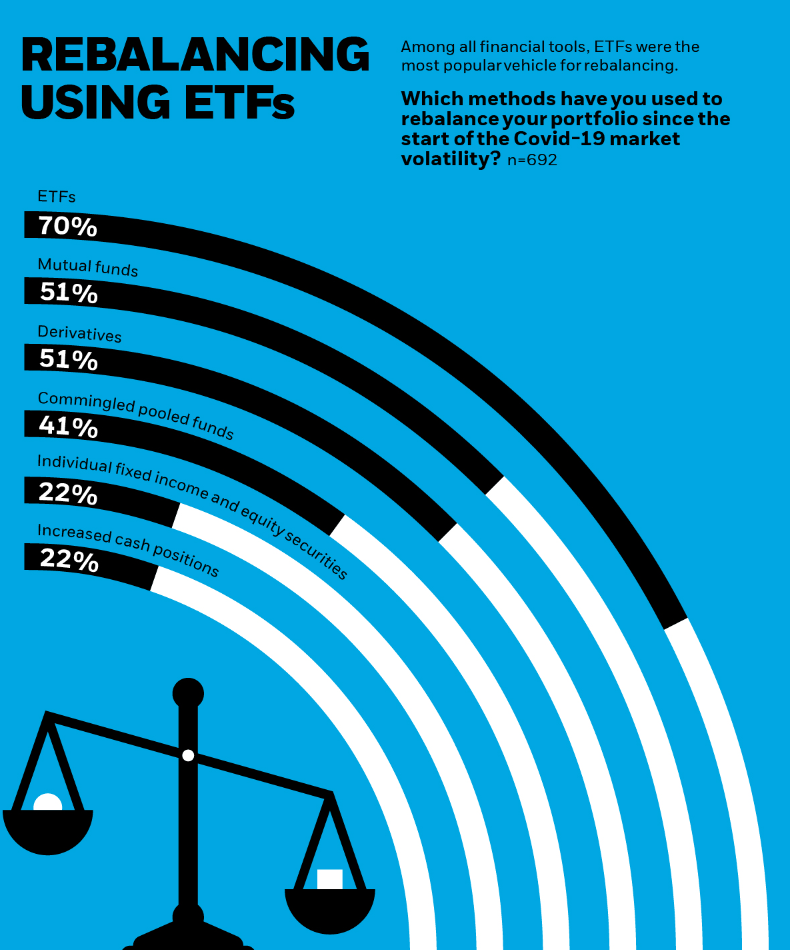
Regular rebalancing is essential to maintain your target asset allocation and manage risk. As different assets perform differently over time, your portfolio can drift from its original allocation, potentially increasing risk.

With ETFs, rebalancing is straightforward. Simply sell ETFs that have become overweighted in your portfolio and buy those that have become underweighted. The frequency of rebalancing depends on your strategy, but many investors rebalance annually or when their allocation drifts beyond predetermined thresholds.

Practical tips for ETF risk management

To effectively manage risk with ETFs:

1. Research thoroughly: Look at an ETF’s expense ratio, tracking error, and liquidity before investing.

2. Use stop-loss orders: These can limit potential losses by automatically selling if an ETF’s price falls below a specified level.

3. Monitor and adjust: Regularly review your portfolio and adjust your strategy as needed.

4. Stay informed: Keep up with market trends and economic news that might affect your ETF investments.

Remember, while ETFs can be powerful risk management tools, they don’t eliminate risk entirely. Always invest within your risk tolerance and consider consulting with a financial adviser for personalised advice.

For those looking to implement these strategies, platforms like VT Markets offer the ability to trade a wide range of ETFs, providing access to diverse markets and risk management tools.

Conclusion

ETFs offer non-professional traders a range of tools for managing risk. From providing easy diversification to enabling sophisticated hedging strategies, ETFs can help you build a resilient portfolio. By understanding how to effectively use ETFs for risk management, you can navigate market uncertainties with greater confidence. As you apply these strategies, remember that successful investing is a journey of continuous learning and adaptation.

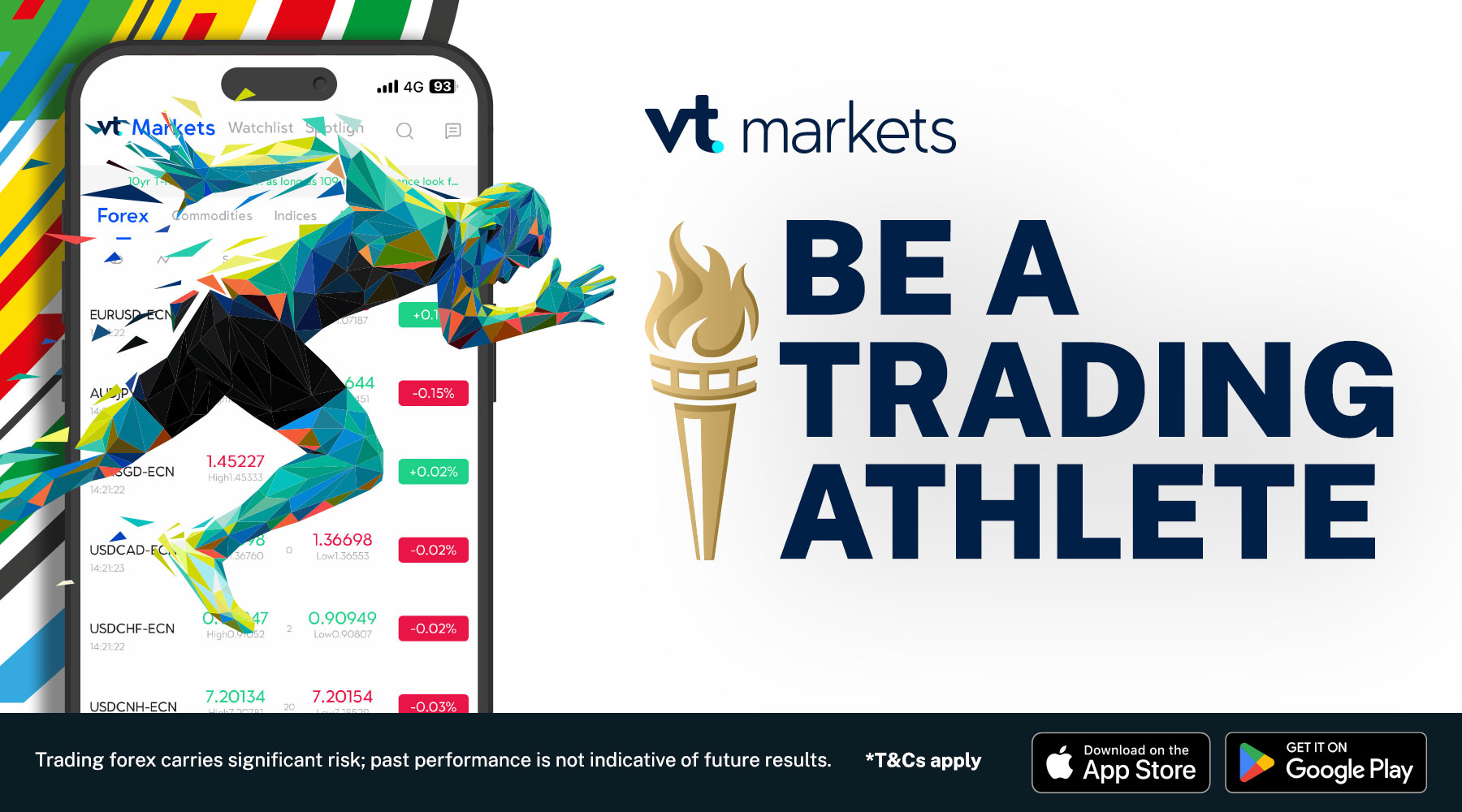
VT Markets Launches Olympic-Inspired ‘Be a Trading Athlete’ Competition with USD 14,000 Prize Pool

Sydney, Australia, 24 July 2024 – VT Markets, an award-winning brokerage, announces the launch of its ‘Be a Trading Athlete’ campaign, an online trading competition hosted on the VT Markets App with a USD 14,000 prize pool. The competition runs from 24th July to 12th August 2024 and is open to all global users with a Live Account.

This large-scale global competition follows the success of VT Markets’ previous campaign, FIFA 2022, which saw overwhelming participation. The brokerage anticipates attracting up to 8,000 new users by the end of this season.

The competition is divided into four periods, each focusing on a different sport every five days: –

● Shooting: 24 July– 28 July 2024
● Swimming: 29 July – 2 August 2024
● Track and Field: 3 August – 7 August 2024
● Boxing: 8 August– 12 August 2024

Participants are required to complete tasks and earn tickets during each period, including trading, depositing, and checking-in, with up to 21 tasks per period. The top 20 participants with the most tickets will share the USD 14,000 prize pool at the end of each period.

“We are thrilled to bring this competition to our users worldwide during this spirited sports season”, says Kyzer Ong, App Campaign Manager of VT Markets. “As a growing international brand, we continually seek ways to foster inclusion and uphold our belief that trading can be easy. Our goal is to engage our clients through their shared interest in sports and inspire them to apply their competitive spirit to trading. This competition underscores values of resilience, strategy planning, and adaptability in uncertain times. Additionally, we are excited to introduce our highly anticipated Copy Trading feature in Q3 2024”.

The upcoming Copy Trading feature aims to empower investors on their financial journey by offering portfolio diversification. Traders can automatically replicate the portfolios of seasoned professionals and maintain an active portfolio passively, which is suitable for traders of all financial literacy levels.

To participate in the ‘Be a Trading Athlete’ competition, download the VT Markets App, register for a Live Account, and visit the Promotions Page to opt-in.

About VT Markets

VT Markets is a regulated multi-asset broker with a presence in over 160 countries. To date, it has won numerous international accolades including Best Customer Service and Fastest Growing Broker.

In line with its mission to make trading accessible to all, VT Markets currently offers unfettered access to over 1,000 financial instruments and a seamless trading experience via its award-winning mobile app.

For more information, please visit the official VT Markets website or email us at info@vtmarkets.com. Alternatively, follow VT Markets on Facebook, Instagram, or LinkedIn.

For media enquiries and sponsorship opportunities, please email media@vtmarkets.com.

Or contact

Dandelyn Koh
Global Brand & PR Lead
dandelyn.koh@vtmarkets.com

Brenda Wong
Assistant Manager, Global PR & Comms
brenda.wong@vtmarkets.com

Dividend Adjustment Notice – July 24,2024

Dear Client,

Please note that the dividends of the following products will be adjusted accordingly. Index dividends will be executed separately through a balance statement directly to your trading account, and the comment will be in the following format “Div & Product Name & Net Volume ”.

Please refer to the table below for more details:

The above data is for reference only, please refer to the MT4/MT5 software for specific data.

If you’d like more information, please don’t hesitate to contact info@vtmarkets.com.

L’Offre et la Demande dans le Forex et Comment Cela Aide !

Comprendre l’Offre et la Demande dans le Forex

L’offre et la demande sont des concepts clés dans le marché du Forex. Comprendre ces dynamiques peut grandement améliorer votre stratégie de trading. Cet article explore comment l’offre et la demande influencent le Forex et comment vous pouvez utiliser cette connaissance pour devenir un trader plus efficace.

Qu’est-ce que l’Offre et la Demande ?

L’Offre

L’offre désigne la quantité d’une devise disponible sur le marché. Elle est influencée par divers facteurs économiques, tels que :

Les taux d’intérêt.

La politique monétaire.

Les réserves de change.

La Demande

La demande représente la quantité de devise que les traders et investisseurs souhaitent acheter. Les facteurs influençant la demande incluent :

La croissance économique.
La stabilité politique.
Les perspectives économiques.

Comment l’Offre et la Demande Influencent le Forex ?

Mouvements de Prix

Les prix des devises fluctuent en fonction des variations de l’offre et de la demande. Si la demande pour une devise augmente, son prix monte. Inversement, si l’offre dépasse la demande, le prix baisse.

Points d’Entrée et de Sortie

En observant les niveaux d’offre et de demande, les traders peuvent identifier des points d’entrée et de sortie potentiels. Par exemple, un niveau de demande élevé peut indiquer un bon point d’achat.

Utiliser l’Offre et la Demande pour le Trading

Analyse Technique

L’analyse technique permet de repérer les zones d’offre et de demande sur les graphiques de prix. Les zones de demande sont souvent identifiées par des niveaux de support, tandis que les zones d’offre correspondent à des niveaux de résistance.

1. Stratégies de Trading

Trading de Renversement

Achetez dans les zones de forte demande.

Vendez dans les zones de forte offre.

2. Trading de Breakout

Surveillez les ruptures des niveaux d’offre ou de demande.

Profitez des mouvements de prix significatifs après les ruptures.

FAQ sur l’Offre et la Demande dans le Forex

1. Comment identifier les zones d’offre et de demande ?

Utilisez les graphiques de prix et recherchez les zones où les prix ont tendance à inverser leur direction. Ces zones sont souvent des niveaux de support ou de résistance.

2. Pourquoi l’offre et la demande sont-elles importantes en Forex ?

Elles déterminent les mouvements de prix. Comprendre ces dynamiques aide à prendre des décisions de trading plus informées.

3. Quels outils puis-je utiliser pour analyser l’offre et la demande ?

Utilisez des plateformes de trading avec des outils d’analyse technique avancés comme les graphiques de chandeliers et les indicateurs de volume.

4. Quelle est la différence entre l’offre et la demande dans le Forex par rapport aux autres marchés financiers ?

Les principes de base sont les mêmes, mais les facteurs influençant l’offre et la demande peuvent varier en fonction des caractéristiques spécifiques du marché des devises.

5. Comment puis-je améliorer ma compréhension de l’offre et de la demande ?

Étudiez les fondamentaux économiques, suivez les actualités financières et pratiquez l’analyse technique sur des comptes de démonstration.

6. Les zones d’offre et de demande sont-elles statiques ?

Non, elles peuvent changer en fonction des conditions du marché et des événements économiques.

7. Quel est le rôle des banques centrales dans l’offre et la demande ?

Les banques centrales influencent l’offre et la demande par leurs politiques monétaires, comme les ajustements des taux d’intérêt et les interventions sur le marché des changes.

Conclusion – Optimisez Votre Trading grâce à l’Offre et la Demande

Comprendre l’offre et la demande est essentiel pour réussir dans le trading Forex. En maîtrisant ces concepts, vous pouvez mieux anticiper les mouvements de prix et améliorer vos décisions de trading. Pour en savoir plus et accéder à des ressources éducatives, visitez VT Markets.

Explorez dès maintenant et commencez à améliorer votre trading avec VT Markets !

Dividend Adjustment Notice – July 23,2024

Dear Client,

Please note that the dividends of the following products will be adjusted accordingly. Index dividends will be executed separately through a balance statement directly to your trading account, and the comment will be in the following format “Div & Product Name & Net Volume ”.

Please refer to the table below for more details:

The above data is for reference only, please refer to the MT4/MT5 software for specific data.

If you’d like more information, please don’t hesitate to contact info@vtmarkets.com.

Dividend Adjustment Notice – July 22,2024

Dear Client,

Please note that the dividends of the following products will be adjusted accordingly. Index dividends will be executed separately through a balance statement directly to your trading account, and the comment will be in the following format “Div & Product Name & Net Volume ”.

Please refer to the table below for more details:

The above data is for reference only, please refer to the MT4/MT5 software for specific data.

If you’d like more information, please don’t hesitate to contact info@vtmarkets.com.

L’Importance de la Gestion des Risques en Trading

Gestion des Risques en Trading

La gestion des risques est cruciale pour réussir dans le trading. Sans une gestion efficace, même les meilleures stratégies peuvent échouer. Cet article explore l’importance de la gestion des risques et fournit des conseils pratiques pour les traders débutants et expérimentés.

Pourquoi la Gestion des Risques est-elle Essentielle ?

Protection du Capital

La gestion des risques protège votre capital contre les pertes importantes. Elle permet de continuer à trader même après des pertes. En limitant les pertes, vous gardez votre capital intact pour les futures opportunités.

Stabilité Émotionnelle

Une bonne gestion des risques aide à contrôler les émotions. Elle empêche les décisions impulsives basées sur la peur ou la cupidité. Une approche rationnelle est essentielle pour le succès à long terme.

Amélioration de la Performance

En minimisant les pertes, vous maximisez les gains à long terme. La gestion des risques améliore la durabilité de votre stratégie de trading. Une stratégie bien pensée conduit à des résultats plus cohérents.

Méthodes de Gestion des Risques

Utilisation des Stop-Loss

Définir un stop-loss pour chaque trade limite vos pertes potentielles. Les stop-loss automatiques exécutent la vente de vos actifs lorsqu’ils atteignent un certain prix. Cela permet de sortir rapidement des positions perdantes.

Diversification du Portefeuille

Ne mettez pas tous vos œufs dans le même panier. Diversifiez vos investissements pour réduire le risque global. En investissant dans différentes classes d’actifs, vous réduisez l’impact des fluctuations d’un seul marché.

Gestion de la Taille des Positions

N’investissez qu’un petit pourcentage de votre capital total dans chaque trade. Cela réduit l’impact de chaque trade sur votre portefeuille global. Une taille de position adéquate protège contre des pertes disproportionnées.

Analyse Technique et Fondamentale

Utilisez l’analyse technique pour identifier les points d’entrée et de sortie. L’analyse fondamentale vous aide à comprendre les facteurs économiques influençant le marché. Une combinaison des deux approches offre une vision plus complète.

Utilisation de l’Effet de Levier avec Prudence

L’effet de levier peut amplifier vos gains mais aussi vos pertes. Utilisez-le avec modération et uniquement lorsque vous comprenez les risques impliqués. Une utilisation excessive de l’effet de levier peut rapidement épuiser votre capital.

Stratégies de Gestion des Risques

Stratégie de Couverture

La couverture implique de prendre des positions opposées pour réduire les risques. Par exemple, si vous avez une position longue sur une action, vous pouvez prendre une position courte sur une action corrélée. Cela équilibre les gains et les pertes potentiels.

Utilisation des Options

Les options peuvent être utilisées pour protéger vos positions. Acheter des options de vente (puts) peut limiter vos pertes en cas de baisse des prix. Les options offrent une protection à moindre coût contre les mouvements défavorables du marché.

Contrôle des Emotions

Le trading peut être émotionnellement intense. Apprenez à contrôler vos émotions pour éviter des décisions impulsives. Restez discipliné et suivez votre plan de trading sans dévier.

FAQ sur la Gestion des Risques

1. Qu’est-ce qu’un stop-loss et comment l’utiliser ?

Un stop-loss est un ordre passé pour vendre un actif lorsque son prix atteint un certain niveau. Utilisez-le pour limiter vos pertes sur chaque trade. Cela vous protège contre des mouvements de marché inattendus.

2. Comment puis-je diversifier mon portefeuille ?

Investissez dans différents types d’actifs tels que des actions, des devises, des matières premières et des ETFs pour réduire le risque global. La diversification minimise les impacts négatifs de la volatilité d’un seul marché.

3. Quelle taille de position dois-je prendre ?

Il est recommandé de ne pas risquer plus de 1-2% de votre capital total sur un seul trade. Cette règle protège votre portefeuille contre des pertes significatives.

4. Comment l’effet de levier affecte-t-il le risque ?

L’effet de levier amplifie à la fois les gains et les pertes. Utilisez-le avec prudence et seulement si vous comprenez bien les risques. Une gestion prudente de l’effet de levier est essentielle pour éviter des pertes dévastatrices.

5. Pourquoi est-il important de contrôler ses émotions en trading ?

Les décisions émotionnelles peuvent conduire à des pertes importantes. Une gestion efficace des risques aide à maintenir une approche rationnelle. Le contrôle émotionnel est crucial pour le succès à long terme.

6. Quels outils puis-je utiliser pour analyser le marché ?

Utilisez des plateformes de trading comme VT Markets qui offrent des outils d’analyse technique et des actualités financières. Ces outils vous aident à prendre des décisions informées.

7. Comment puis-je m’améliorer en gestion des risques ?

Suivez des formations, lisez des livres sur le trading, et utilisez des comptes démo pour pratiquer sans risquer votre capital réel. La pratique et l’éducation continue améliorent vos compétences en gestion des risques.

8. Qu’est-ce que la stratégie de couverture ?

La couverture implique de prendre des positions opposées pour réduire les risques. Par exemple, si vous avez une position longue sur une action, vous pouvez prendre une position courte sur une action corrélée. Cela équilibre les gains et les pertes potentiels.

9. Comment les options peuvent-elles protéger mes positions ?

Les options peuvent être utilisées pour protéger vos positions. Acheter des options de vente (puts) peut limiter vos pertes en cas de baisse des prix. Les options offrent une protection à moindre coût contre les mouvements défavorables du marché.

10. Quelle est l’importance d’une approche disciplinée en trading ?

Une approche disciplinée est essentielle pour éviter des décisions impulsives. Restez fidèle à votre plan de trading et ne déviez pas. La discipline conduit à des résultats plus cohérents et à long terme.

Conclusion: Protégez Votre Capital et Optimisez Vos Performances de Trading

La gestion des risques est indispensable pour réussir en trading. En adoptant une approche disciplinée et en utilisant les méthodes mentionnées, vous pouvez protéger votre capital et améliorer vos performances de trading. Pour plus d’informations et pour accéder à des ressources éducatives complètes, visitez VT Markets.

Explorez dès maintenant et commencez à améliorer votre trading avec VT Markets !

Back To Top
server

Bonjour 👋

Comment puis-je vous aider ?

Discutez immédiatement avec notre équipe

Chat en direct

Démarrez une conversation en direct via...

  • Telegram
    hold En attente
  • Bientôt disponible...

Bonjour 👋

Comment puis-je vous aider ?

Telegram

Scannez le code QR avec votre smartphone pour démarrer un chat avec nous, ou cliquez ici.

Vous n’avez pas l’application ou la version de bureau de Telegram installée ? Utilisez plutôt Telegram Web .

QR code