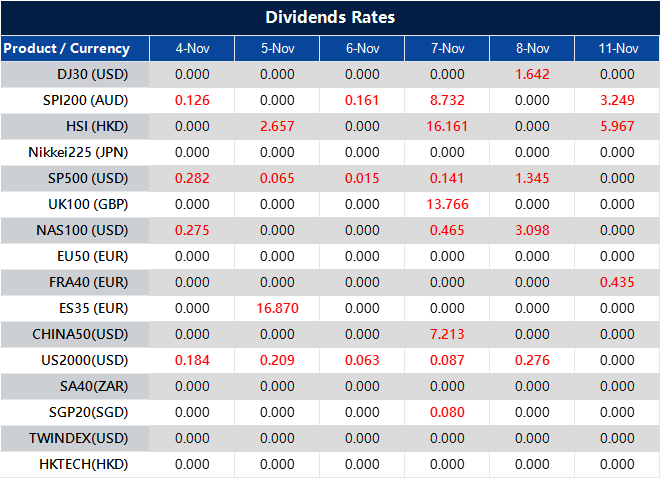
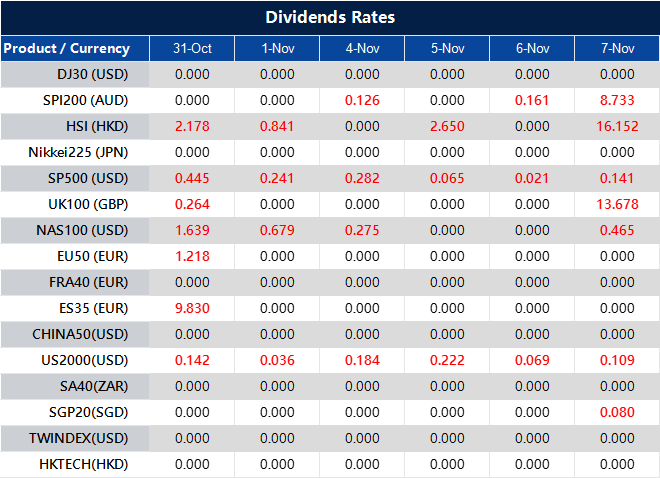
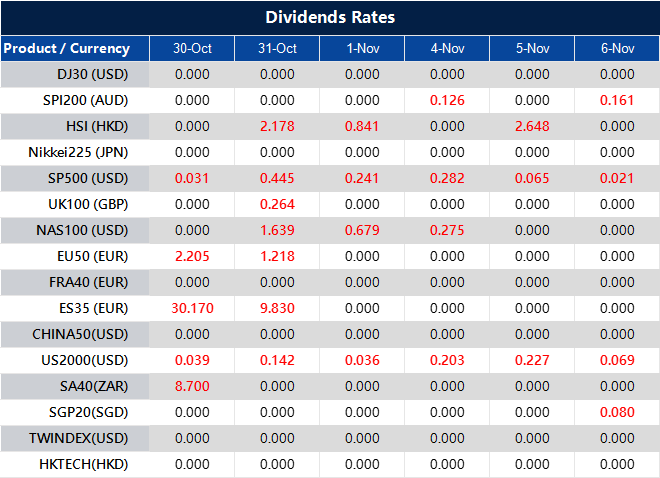
Please note that the dividends of the following products will be adjusted accordingly. Index dividends will be executed separately through a balance statement directly to your trading account, and the comment will be in the following format “Div & Product Name & Net Volume ”.
Please refer to the table below for more details:
The above data is for reference only, please refer to the MT4/MT5 software for specific data.
If you’d like more information, please don’t hesitate to contact info@vtmarkets.com.
Apprendre le Trading Forex en Démo : Stratégies et Conseils Essentiels
Dans le monde du trading Forex, débuter peut être intimidant, surtout avec la volatilité des marchés et le risque potentiel pour votre capital. C’est ici que le compte de démonstration entre en jeu. Le trading Forex en démo vous permet de tester des stratégies, d’apprendre le fonctionnement des marchés, et d’acquérir de l’expérience – sans risquer votre argent. Dans cet article, nous explorons les avantages du trading en démo et les étapes pour maximiser vos compétences et stratégies sur ce type de compte.
Pourquoi Utiliser un Compte Démo Forex ?
Un compte de démonstration Forex est une réplique d’un compte réel qui vous permet de trader avec de l’argent virtuel. Cela signifie que vous avez accès aux mêmes outils et conditions de marché que ceux des comptes réels, mais sans risquer de pertes financières. Voici pourquoi ce type de compte est un outil précieux pour les traders :
Pratique Sans Risque : Un compte démo vous donne la liberté de tester vos stratégies sans crainte de perdre de l’argent.
Apprentissage des Outils de Trading : Vous vous familiarisez avec la plateforme, les indicateurs et les graphiques pour devenir plus efficace lorsque vous passerez à un compte réel.
Développement de Stratégies Personnalisées : En testant différentes approches, vous découvrez celles qui fonctionnent le mieux pour vous, qu’il s’agisse de scalping, de day trading, ou de swing trading.
Les comptes démo sont donc des espaces d’apprentissage indispensables pour les débutants mais aussi pour les traders expérimentés qui souhaitent affiner leurs stratégies.
Étapes pour Maîtriser le Trading Forex en Démo
1. Définir des Objectifs de Trading Clairs
Avant de commencer, identifiez vos objectifs de trading. Par exemple, cherchez-vous à développer une stratégie de scalping pour des gains rapides, ou à maîtriser le swing trading pour des profits à long terme ? Avoir une idée précise de vos objectifs vous permettra d’utiliser votre compte démo de manière plus ciblée.
2. Apprendre les Bases de l’Analyse Technique et Fondamentale
L’analyse technique et l’analyse fondamentale sont deux piliers du trading Forex. Avec un compte démo, vous pouvez pratiquer :
L’analyse technique : Utilisez des outils comme les moyennes mobiles, les bandes de Bollinger et le RSI pour suivre les tendances et anticiper les mouvements de prix.
L’analyse fondamentale : Suivez les événements économiques, comme les décisions de taux d’intérêt et les rapports sur l’emploi, pour comprendre comment ces éléments influencent les devises.
En combinant ces deux types d’analyse, vous renforcez votre capacité à interpréter les marchés et à ajuster vos positions.
3. Tester Différentes Stratégies de Trading
Le compte démo est parfait pour expérimenter avec différentes stratégies. Voici quelques approches populaires à tester :
Le Scalping : Cette stratégie implique de petites transactions rapides visant à capitaliser sur de légères variations de prix.
Le Day Trading : Vous ouvrez et fermez des positions dans la même journée, profitant de la volatilité à court terme.
Le Swing Trading : Ici, vous maintenez des positions ouvertes sur plusieurs jours, tirant profit des tendances intermédiaires.
Testez chaque stratégie pour voir laquelle correspond le mieux à votre style de trading.
4. Gestion du Risque dans un Compte Démo
Bien que le compte démo soit sans risque financier, il est crucial de pratiquer une gestion du risque solide. Appliquez des ordres stop-loss et des limites de taille de position, comme vous le feriez dans un compte réel, pour vous habituer à une gestion prudente des capitaux. Cette discipline sera précieuse lorsque vous passerez au trading en argent réel.
Outils Utiles pour Améliorer votre Trading en Démo
Pour maximiser votre apprentissage, voici des outils et pratiques que vous pouvez utiliser :
Journal de Trading : Notez chaque transaction, en précisant la stratégie utilisée, les résultats obtenus et les leçons apprises. Un journal vous aide à analyser vos succès et vos erreurs, rendant votre apprentissage plus efficace.
Indicateurs et Graphiques Personnalisés : Utilisez des indicateurs techniques et ajustez les graphiques pour explorer les configurations de marché.
Simulations de Scénarios Réels : Envisagez des scénarios économiques (comme une annonce de la Fed) et pratiquez vos réactions dans le compte démo pour être prêt à réagir sur un compte réel.
Comment Passer d’un Compte Démo à un Compte Réel ?
Une fois que vous avez acquis confiance et compétence, il est peut-être temps de passer à un compte réel. Voici quelques conseils pour effectuer cette transition sans stress :
Commencez Petit : Même si vous avez bien performé en démo, commencez avec un capital modeste pour vous familiariser avec le risque réel.
Gardez la même Discipline : Maintenez les habitudes de gestion de risque que vous avez développées en démo pour éviter de tomber dans des comportements impulsifs.
Évaluez Régulièrement votre Performance : Continuez à utiliser un journal de trading pour surveiller vos progrès et ajuster vos stratégies en conséquence.
Compte Démo Forex VT Markets : Un Environnement de Trading Réaliste
Le compte démo Forex de VT Markets est conçu pour offrir une expérience de trading immersive et réaliste. Avec ce compte démo, vous pouvez accéder aux mêmes conditions de marché qu’un compte réel, y compris les graphiques avancés, les indicateurs techniques, et des analyses en temps réel.
Que vous soyez débutant ou que vous souhaitiez tester de nouvelles stratégies, le compte démo de VT Markets vous permet de pratiquer en toute sécurité, sans risque pour votre capital. Cela vous permet de renforcer vos compétences et de perfectionner vos stratégies avant de vous lancer sur un compte réel.
FAQ : Trading Forex en Compte Démo
1. Un compte démo reflète-t-il vraiment le marché réel ?
Oui, les comptes démo offrent généralement les mêmes conditions de marché que les comptes réels, bien que les émotions ne soient pas les mêmes, car il n’y a pas de risque financier.
2. Combien de temps dois-je utiliser un compte démo avant de passer à un compte réel ?
Cela dépend de votre progression. Il est conseillé de rester en démo jusqu’à ce que vous soyez cohérent dans vos résultats et à l’aise avec vos stratégies.
3. Peut-on tester des robots de trading sur un compte démo ?
Oui, un compte démo est un excellent outil pour tester des robots ou des conseillers experts et voir comment ils réagissent dans différentes conditions de marché sans risque.
4. Le compte démo peut-il vraiment améliorer mes compétences en trading ?
Absolument. Le compte démo est un environnement d’apprentissage précieux pour développer et tester des stratégies, analyser vos résultats, et améliorer vos compétences sans mettre de capital réel en danger.
5. Où puis-je ouvrir un compte démo pour le trading Forex ?
Des plateformes comme VT Markets offrent des comptes démo gratuits. Ces comptes vous permettent de pratiquer en temps réel et d’accéder aux mêmes outils que les comptes réels.
Conclusion : Faites du Compte Démo un Tremplin vers le Succès
Le trading Forex en démo est une opportunité unique d’acquérir de l’expérience sans risque. Que vous soyez débutant ou trader expérimenté, le compte démo vous aide à renforcer vos compétences, à affiner vos stratégies et à construire une base solide pour le trading en argent réel. En exploitant pleinement votre temps en démo, vous serez mieux préparé à naviguer sur les marchés réels avec confiance.
Prêt à passer à l’étape suivante ? Inscrivez-vous sur VT Markets dès aujourd’hui pour ouvrir un compte démo gratuit et explorez les opportunités du trading Forex dans des conditions optimales.
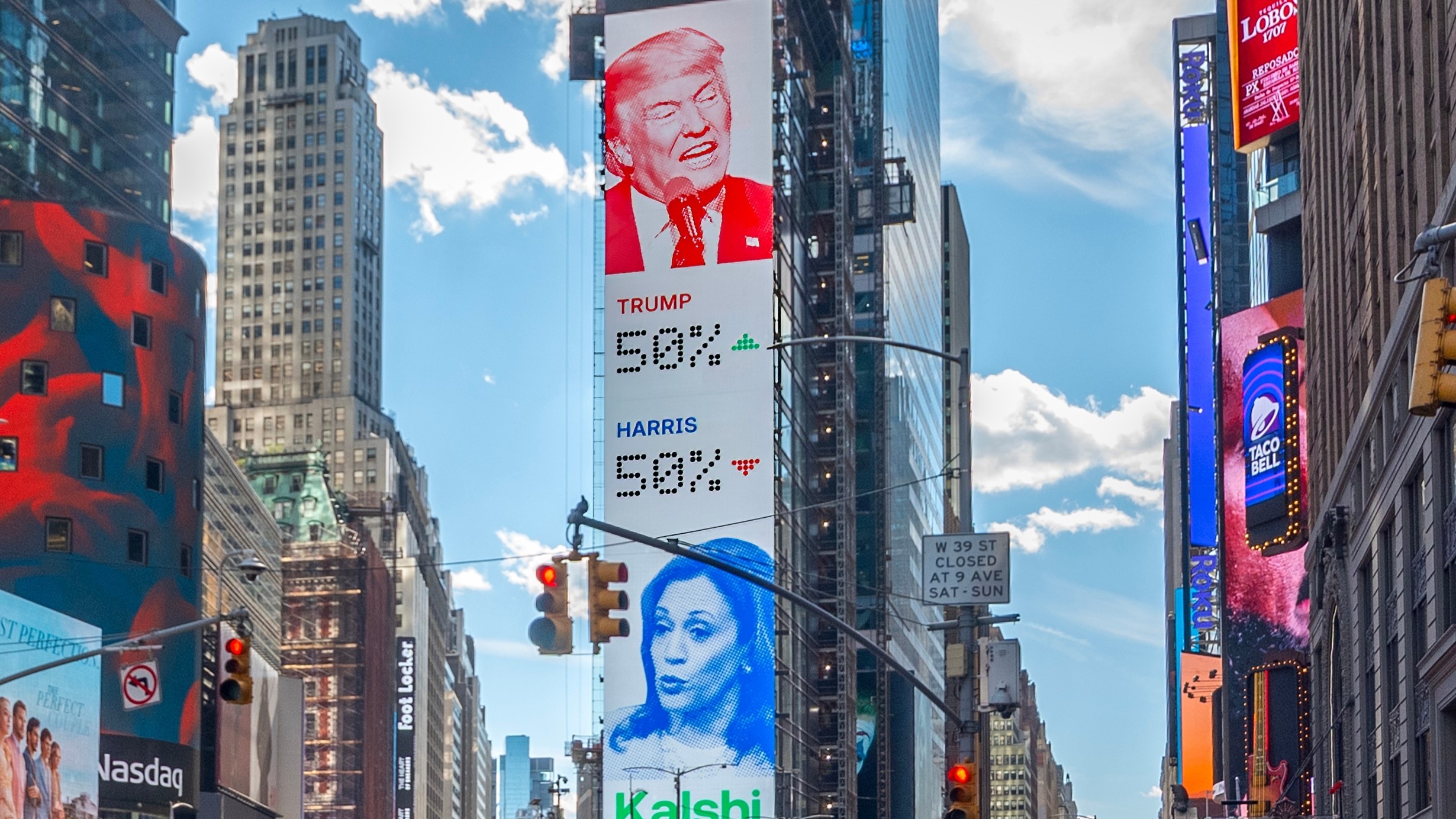
The Trump-Harris showdown begins: Voters in the US will go to the polls on 5 November to elect their next president. Will America get its first ever woman president or a second Donald Trump term? The election volatility brings a wave of both opportunities and challenges. Market participants are closely monitoring how it might impact both short-term and long-term trends.
Key Points to Consider in the US Election Impact
The 2024 US election is a tightly contested one, with two candidates, Kamala Harris and Donald Trump, each having unique approaches to economic policy.
The result of this election will undoubtedly have implications for traders. Here, we explore how both the short-term volatility and the longer-term policies may affect market dynamics.
Short-Term Uncertainty and Market Volatility
Leading up to the election, market volatility is likely to spike due to the uncertainty surrounding the outcome. A tightly contested election can cause hesitation in the markets, particularly if the results are delayed or there are recounts in swing states. This uncertainty tends to lead to heightened short-term volatility, which is both an opportunity and a risk for different types of traders.
For day traders, this environment of short-term swings could be beneficial for seizing quick opportunities. On the other hand, longer-term traders may find themselves in a riskier position, with markets reacting suddenly to polling news or to disputes over election outcomes. The extended uncertainty could weigh on financial sentiment until January 2025, when the new president officially assumes office.
Continuity vs. Change: How Policy Affects Stability
If Kamala Harris were to win the election, market participants may anticipate a sense of stability as her administration would be viewed as a continuation of the Biden presidency. Historically, incumbent administrations have provided a more predictable environment, leading to smoother market transitions. Traders might expect less turmoil in reaction to the election results due to the familiarity with ongoing policies and existing economic plans.
On the contrary, a return of Donald Trump to the presidency could foster an environment of uncertainty. A new administration typically takes time to get up to speed, and traders may need to wait for new policies to be communicated and implemented before gauging their full impact. This scenario is more likely to trigger short-term volatility as the markets react to unknowns.
Longer-Term Implications Based on Policies
Looking beyond immediate market reactions, the long-term effects of the US election are tied closely to each candidate’s economic policies.
Kamala Harris: Harris’s potential continuation of Biden’s administration is likely to bring regulatory policies that affect financial markets. Her focus on social spending may increase national debt, putting downward pressure on the dollar, while potentially triggering inflation. Rising inflation could prompt the Federal Reserve to raise interest rates, which could then strengthen the dollar in the medium term.
Donald Trump: The 2016 Trump administration had a strong pro-business stance, focusing on deregulation and tax cuts, which initially strengthened the dollar. However, his position on fiscal stimulus could increase national debt, thereby weighing on the currency. Additionally, Trump’s unpredictable approach to foreign policy could lead to geopolitical instability, with potential consequences for the US dollar.
Both candidates have policies that could have a contrasting effect on the dollar. Fiscal stimulus and regulatory measures could simultaneously impact the value of the dollar, pushing it either higher or lower depending on how effectively policies are implemented and received by the market.
The Importance of Adaptability for Traders
Given the current environment, traders need to stay adaptable. Monitoring polling data, understanding the incoming administration’s economic plans, and watching the market’s response to breaking news are essential strategies. The Federal Reserve’s response to inflation—influenced by policies on spending, regulation, and commodity prices like oil—will be an important focus for traders, especially those with positions in US dollar pairs.
Short-term opportunities might emerge as market volatility spikes in response to evolving headlines, but understanding the long-term direction will require a careful assessment of policy impacts, especially around fiscal discipline and regulatory actions. We recommend paying attention to any shifts in the dollar’s trajectory due to changes in fiscal and monetary policy, as these will be key indicators in the months following the election.
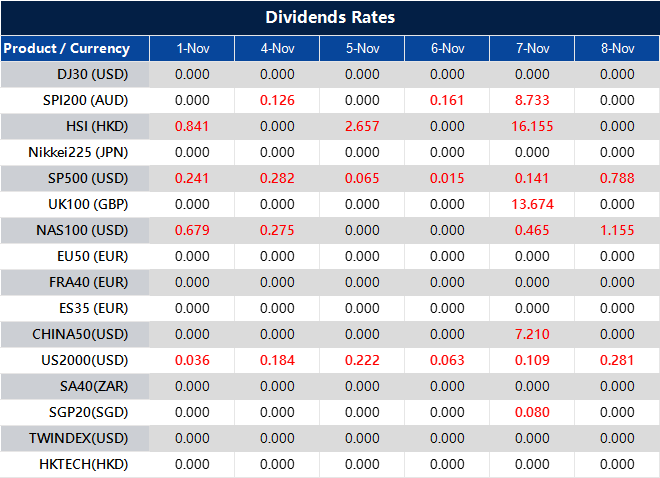
Please note that the dividends of the following products will be adjusted accordingly. Index dividends will be executed separately through a balance statement directly to your trading account, and the comment will be in the following format “Div & Product Name & Net Volume ”.
Please refer to the table below for more details:
The above data is for reference only, please refer to the MT4/MT5 software for specific data.
If you’d like more information, please don’t hesitate to contact info@vtmarkets.com.
We get it. The presidential elections are always the talk of the town when they roll in. The stakes are always high, and markets are already toeing the line with stirring volatility.
But what is it about a presidential election that gets the world in a tizzy? The United States has had a long history of influence on the global economy, from policies passed to shifting sectors.
It’s all old hat to the wolves of Wall Street by now, but it’s always good practice to look back at the past to make better decisions for the future.
Election Volatility and the Market
The months leading up to U.S. elections have been prime time for market swings.
The influence of the presidential election is very clearly seen on the VIX (Chicago Board Options Exchange Volatility Index). Colloquially known as the “fear gauge”, the VIX often displays a spike before election season, signalling a surge in hedging and the anticipation of rapid market moves.
For now, the VIX remains fairly stable ahead of the presidential race, but a contested election or results uncertainties could turn it on its head in a blink.
Picture: The daily VIX chart, as seen on the VT Markets app
Let’s take a look at some major volatility highlights from past elections:
The 2000 election between George W. Bush and Al Gore was like a political roller coaster that Americans couldn’t get off of—especially once the results in Florida started swinging back and forth.
While Gore won the popular vote by a hair’s breadth, the fate of the election came down to Florida’s 25 electoral votes. “Hanging chads” and “butterfly ballots” became household terms as everyone struggled to understand what had gone wrong with the vote-counting process.
As tensions rose, the S&P 500 slid nearly 5%, and the VIX jumped over 40%.
After a dramatic 5-4 decision by the Supreme Court in Bush v. Gore, the recount was stopped, essentially handing the presidency to Bush.
When the financial crisis hit in 2008, it was like watching dominoes fall, each one representing jobs, homes, and financial security for millions of Americans. The economy felt like it was teetering on the edge, and people were desperate for a leader who could step up with a vision of stability.
Image source: The Balance
The VIX hit 89.53—an all-time high—as markets were gripped by uncertainty over which candidate’s policies would steer the recovery.
The 2016 election brought America into a whole new kind of campaign, one that was messy, loud, and deeply divided.
Clinton won the popular vote by nearly 3 million, but Trump clinched the Electoral College in key states like Pennsylvania and Michigan, which were seen as Democrats’ strongholds.
Trump’s win came out of left field for many, including the markets.
Dow futures dropping more than 800 points overnight. However, the whiplash rebound saw the S&P 500 ending the year up 9.5%.
The 2020 election was like no other in recent memory, taking place against the backdrop of a global pandemic, economic uncertainty, and heightened racial tensions. Joe Biden, with his “Build Back Better” message, positioned himself as a calm, empathetic counter to President Trump, who was criticised for his handling of COVID-19 and his combative approach to social issues.
Biden ultimately won both the popular vote by over 7 million and the Electoral College, but the transition was anything but smooth. The VIX surged to 40 as concerns over potential delays or contested results kept traders on edge.
Picture: The CBOE VIX movement in 2020 as seen on the VT Markets app.
Why Does the Market Get So Jumpy?
Like the rest of the world, markets do not like uncertainty. The U.S. Elections deliver it in spades, especially in such closely fought elections as we are seeing at the moment, where the winning candidate is still very much in balance. Predicting which candidate’s policies will come into play, and what they’ll mean for trade, taxes, and industry regulation, makes markets skittish.
Add in media speculation and poll shifts, and it’s no wonder we see such volatility.
Policies of each candidate can shake specific sectors differently, like green energy or healthcare, leading traders to hedge their bets or rotate sectors to manage the risk.
How Traders Hedge Against Election Volatility
With elections ramping up volatility, traders employ various strategies to protect their portfolios or benefit from market moves:
Options
Options are a great tool to let traders hedge against downside risks, with many buying put options on indices like the S&P 500. They can also provide
The VIX
The VIX itself is a popular hedge, as it rises during periods of uncertainty.
Currency Hedges
U.S. Elections can send shockwaves through global currencies, affecting pairs like USD/JPY or EUR/USD. Traders might shift into other currencies if the dollar weakens, capitalising on global market reactions.
Sector Rotations
During election cycles, traders rotate between sectors that may fare better under each candidate. For example, green energy stocks surged in 2020, while healthcare stocks saw volatility due to opposing reform views.
Safe-Haven Assets
Gold, U.S. Treasuries, and the Swiss franc (USD/CHF) are classic go-tos when things get rocky, offering a sense of security when markets turn turbulent. This can be seen particularly with the surge in the price of Gold in recent months due to an increase in geopolitical tension and the uncertainty of the US Presidential elections
Picture: Daily gold chart, as seen on the VT Markets app.
Turning Volatility into Opportunity
While some traders play defence, others see volatility as an opportunity for profit. Election-driven price swings can be ideal, especially for short-term trading.
Swing Trading
Elections offer ripe conditions for swing traders, who can capitalise on short-term moves driven by breaking news, polls, and debates.
Key technical indicators such support and resistance levels help traders navigate volatility. Following such technical cues allows traders to adapt to sudden price swings as the market reacts and digests news driven events
Futures contracts, especially on indices, commodities, and currencies, are heavily traded during elections. Contracts on crude oil, gold, and the S&P 500 see considerable action as traders leverage rapid market shifts.
Post-Election Adjustments
After the election, markets may reassess the implications of the results, leading to further price swings, creating additional opportunities.
We know that the markets will tend to perform better in years where the incumbent president is re-elected, as it provides more consistency.
Likewise, a change in the administration can lead to short term turbulence as the new policies take their time to be adopted and the impacts assessed.
Navigating the Election Volatility Storm
With each U.S. election comes a wave of volatility, but traders can navigate it with smart hedging or by riding the price swings.
Options, safe-haven assets, and sector shifts can provide protection for portfolios, while swing and futures trading can turn uncertainty into opportunity.
Election-driven volatility brings risk, but for the prepared trader, it also brings potential rewards.
Please note that the following aspects might be affected during the maintenance:
1. The price quote and trading management will be temporarily disabled during the maintenance. You will not be able to open new positions, close open positions, or make any adjustments to the trades.
2. There might be a gap between the original price and the price after maintenance. The gaps between Pending Orders, Stop Loss and Take Profit will be filled at the market price once the maintenance is completed. It is suggested that you manage the account properly.
3. After server maintenance, server hours will be adjusted from GMT+3 to GMT+2.
Please refer to the MT4 & MT5 software for the specific maintenance completion and marketing opening time.
Thank you for your patience and understanding about this important initiative.
If you’d like more information, please don’t hesitate to contact info@vtmarkets.com
Please note that the dividends of the following products will be adjusted accordingly. Index dividends will be executed separately through a balance statement directly to your trading account, and the comment will be in the following format “Div & Product Name & Net Volume ”.
Please refer to the table below for more details:
The above data is for reference only, please refer to the MT4/MT5 software for specific data.
If you’d like more information, please don’t hesitate to contact info@vtmarkets.com.
With the upcoming U.S. Election on November 5th, increased market volatility is expected. Our top priority at VT Markets is to protect our clients and ensure a positive trading experience. We would like to remind all investors of the following market risks:
Spreads:
During the election period, market spreads may experience more significant fluctuations than usual. Please trade cautiously and manage your positions and funds appropriately. Liquidity:
Due to market sentiment and uncertainty, some liquidity providers and banks may reduce or withdraw their support, which may lead to significant differences between the order execution price and the intended price, increasing the risk of slippage. Volatility:
Frequent news events and market updates may trigger sharp market movements, resulting in extreme market conditions.
As your trusted broker, VT Markets will implement various risk management measures to effectively address market volatility and ensure trading safety. Specific adjustments may include lowering leverage ratios and increasing margin requirements to double their original level. Please be advised that leverage adjustments may directly lead to higher or lower margin requirements. We recommend that you add funds to your account in advance to ensure sufficient margin coverage.
If you’d like more information, please don’t hesitate to contact info@vtmarkets.com.
Please note that the dividends of the following products will be adjusted accordingly. Index dividends will be executed separately through a balance statement directly to your trading account, and the comment will be in the following format “Div & Product Name & Net Volume ”.
Please refer to the table below for more details:
The above data is for reference only, please refer to the MT4/MT5 software for specific data.
If you’d like more information, please don’t hesitate to contact info@vtmarkets.com.