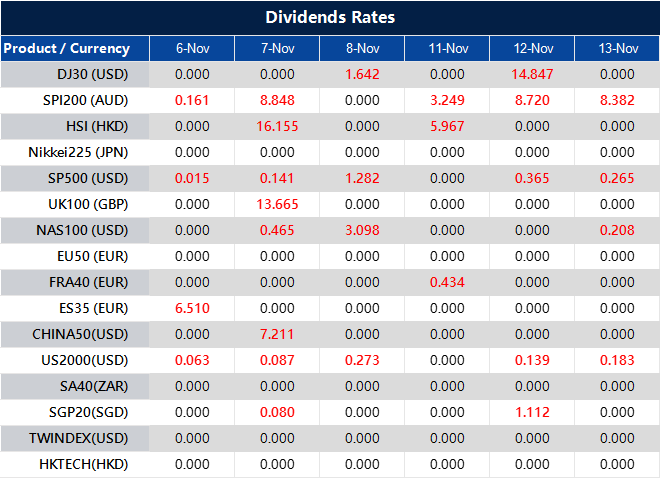
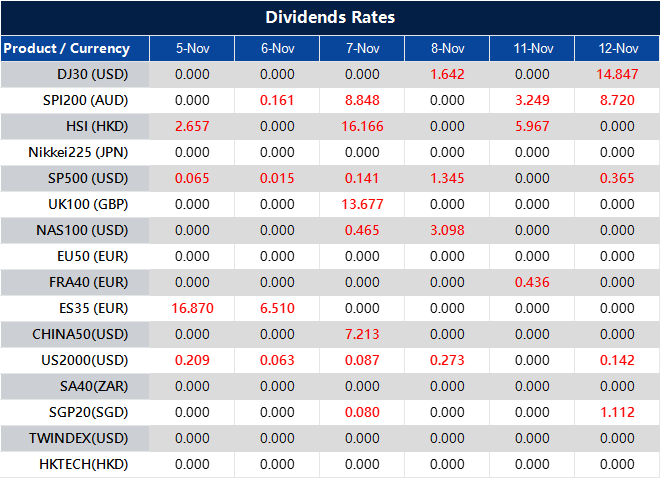
Please note that the dividends of the following products will be adjusted accordingly. Index dividends will be executed separately through a balance statement directly to your trading account, and the comment will be in the following format “Div & Product Name & Net Volume ”.
Please refer to the table below for more details:
The above data is for reference only, please refer to the MT4/MT5 software for specific data.
If you’d like more information, please don’t hesitate to contact info@vtmarkets.com.
El término Trump Trade se refiere a los movimientos de los mercados financieros que surgieron en respuesta a las políticas económicas y comerciales impulsadas por el expresidente de Estados Unidos, Donald Trump. Estas políticas, anunciadas e implementadas durante su mandato (2017-2021), impactaron sectores clave de la economía y generaron expectativas entre los inversores. En este artículo, exploraremos en qué consiste el Trump Trade, cómo se originó y qué efectos tuvo en los mercados financieros.
1. ¿Cómo comenzó el Trump Trade? El Trump Trade se hizo popular en los primeros días de la administración Trump, cuando las promesas de campaña del presidente impulsaron la confianza de los mercados. Trump prometió reducir impuestos, desregular varios sectores y fomentar políticas proteccionistas, especialmente contra China. Estas promesas llevaron a los inversores a ajustar sus carteras con la expectativa de que ciertos sectores crecerían y otros, posiblemente, enfrentarían retos.
Ejemplos de Promesas y su Efecto Recortes de impuestos: En 2017, Trump promulgó la Ley de Recortes de Impuestos y Empleos, que redujo el impuesto corporativo del 35% al 21%. Según el Tax Foundation, este recorte aumentó las ganancias de las empresas y atrajo capital de vuelta a Estados Unidos, incentivando a las grandes corporaciones a reinvertir y contratar más empleados.
Desregulación: Trump promovió la eliminación de muchas regulaciones en los sectores de energía, finanzas y manufactura. Según la Oficina de Presupuesto del Congreso (CBO), los recortes en regulaciones ahorraron más de $50 mil millones en costos operativos para empresas de energía y otros sectores. Este cambio incrementó las expectativas de crecimiento en dichos sectores, lo que resultó en un aumento del valor de sus acciones.
Guerra comercial con China: Trump implementó aranceles sobre bienes chinos por valor de cientos de miles de millones de dólares, buscando reducir el déficit comercial de EE. UU. con China. Aunque esto impactó negativamente el costo de algunos productos en EE. UU., impulsó las acciones de empresas estadounidenses que dependían menos de importaciones chinas.
2. Sectores Beneficiados y Afectados El Trump Trade no afectó de la misma manera a todos los sectores. Algunos se beneficiaron enormemente, mientras que otros experimentaron volatilidad o retrocesos.
Sectores Ganadores Financiero: Los bancos y empresas de servicios financieros fueron algunos de los mayores beneficiados debido a la desregulación y los recortes fiscales. Según Bloomberg, las acciones de bancos como JPMorgan Chase y Bank of America aumentaron considerablemente tras el inicio de las políticas de Trump.
Energía y minería: La desregulación de la industria energética fue un punto fuerte en la administración Trump. Empresas de petróleo, carbón y gas natural ganaron terreno, especialmente con políticas que incentivaron la producción y exportación de energía de EE. UU.
Infraestructura: A pesar de no concretarse en la escala anunciada, el enfoque en proyectos de infraestructura benefició las acciones de empresas de construcción y proveedores de materiales.
Sectores Afectados Tecnología: Al depender en gran medida de cadenas de suministro globales, las tensiones comerciales con China afectaron a empresas tecnológicas como Apple y Cisco. La volatilidad en el sector tecnológico fue un reflejo de la incertidumbre generada por la política exterior de Trump.
Agricultura: El conflicto comercial con China afectó a los agricultores de EE. UU., ya que China, uno de los mayores compradores de productos agrícolas estadounidenses, impuso aranceles sobre estos productos en respuesta. El Departamento de Agricultura de EE. UU. informó que los agricultores experimentaron pérdidas significativas, especialmente en la venta de soya, maíz y carne de cerdo.
3. Impacto en el Dólar y el Comercio Global El Trump Trade también afectó la moneda estadounidense y las relaciones comerciales internacionales.
Fortalecimiento del dólar: Las políticas fiscales expansivas, combinadas con un crecimiento económico robusto, hicieron que el dólar se fortaleciera. Según el índice DXY (que mide el valor del dólar frente a una canasta de monedas globales), el dólar alcanzó máximos durante la administración Trump, lo que impactó las exportaciones de EE. UU. al hacer que los bienes estadounidenses fueran más caros para otros países.
Relaciones comerciales tensas: Además de China, Trump impuso aranceles a países como Canadá, México y la Unión Europea. Esto desató tensiones comerciales y afectó los precios de ciertos productos, desde el acero hasta el vino.
4. ¿Qué aprendieron los inversores? Los mercados financieros se caracterizan por su capacidad de adaptación. En el caso del Trump Trade, los inversores ajustaron sus estrategias para aprovechar los sectores beneficiados y protegerse de aquellos en riesgo. Entre las lecciones más relevantes se encuentran:
La importancia de las políticas fiscales y regulatorias: Las decisiones de los gobiernos pueden tener un impacto directo en la rentabilidad de ciertos sectores. Invertir en sectores que reciban apoyo gubernamental puede ofrecer ventajas competitivas.
Diversificación en tiempos de incertidumbre: Los cambios rápidos en políticas comerciales y fiscales subrayan la necesidad de diversificación en una cartera de inversión. Esto permite mitigar el riesgo ante eventos externos impredecibles.
5. ¿Qué sucedió después del Trump Trade? Con el cambio de administración en 2021, algunas de las políticas de Trump fueron revertidas o modificadas. Esto generó nuevos movimientos en los mercados, y los inversores reajustaron sus carteras. Sin embargo, el Trump Trade dejó una marca importante en la economía global, mostrando cómo una administración puede influir rápidamente en el comportamiento del mercado y de los inversores.
En resumen, el Trump Trade fue un fenómeno impulsado por las expectativas y políticas de la administración Trump, que benefició a sectores específicos mientras generaba desafíos para otros. Esta experiencia resalta cómo los mercados responden a las políticas de los gobiernos y la importancia de mantenerse informado y preparado para ajustar las estrategias de inversión en un entorno cambiante.
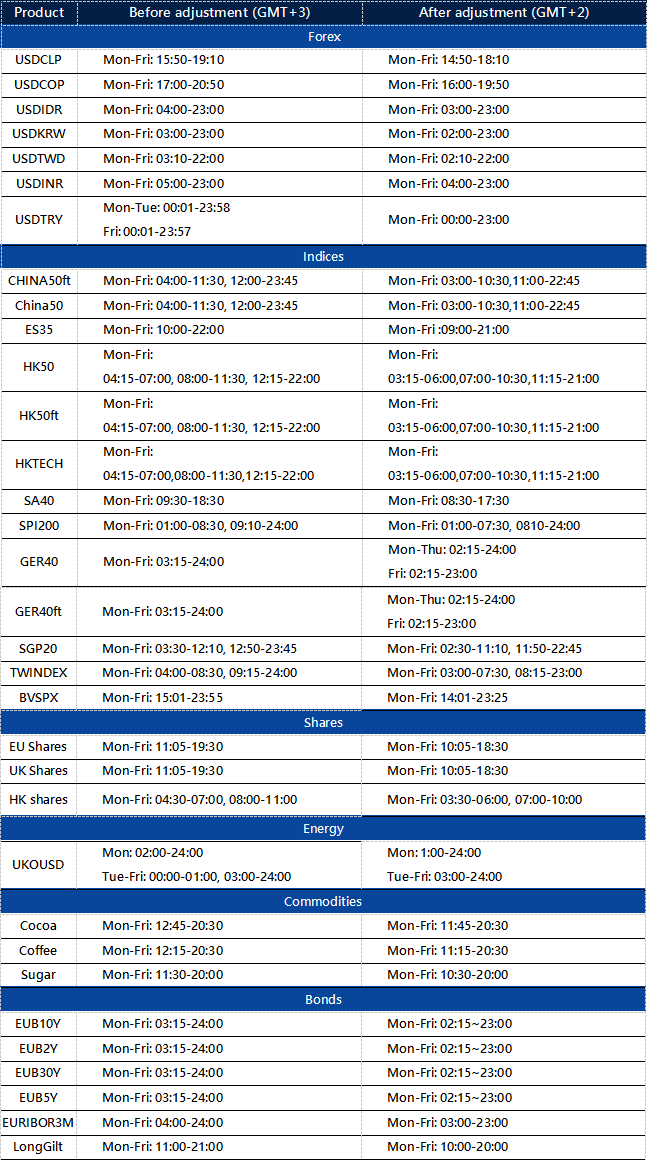
Please note that the dividends of the following products will be adjusted accordingly. Index dividends will be executed separately through a balance statement directly to your trading account, and the comment will be in the following format “Div & Product Name & Net Volume ”.
Please refer to the table below for more details:
The above data is for reference only, please refer to the MT4/MT5 software for specific data.
If you’d like more information, please don’t hesitate to contact info@vtmarkets.com.
Market participants are closely assessing what his potential win could mean for the upcoming U.S. presidential election. At the heart of this analysis is the so-called “Trump Trade.”
What is a Trump Trade?
The “Trump Trade” describes how markets and investors react to the economic policies and political moves tied to a Donald Trump presidency. This concept became prominent after his 2016 election, as markets responded to his agenda of deregulation, tax cuts, and expanded infrastructure spending. It mainly captures the expectation of a pro-business environment and economic stimulus that could bolster U.S. growth.
How the “Trump Trade” Affected Monetary Policy
To understand what the markets expect, it’s helpful to look back at market reactions during Trump’s previous term.
With expectations of stronger economic growth, the Federal Reserve adjusted its policies:
Interest Rate Increases: As the economy gained momentum and inflation pressures rose, the Fed raised interest rates to keep growth steady. This was a change from the low-interest rates seen after the 2008 financial crisis.
Balance Sheet Reduction: The Fed also began looking at reducing its large balance sheet, which had grown due to years of economic support. This shift signaled a move toward tighter monetary policies.
US Election 2024: Will All Roads Lead to Inflation?
Regardless of who wins the upcoming election, two billionaire investing legends remain focused on the US bond market due to the unsustainable trajectory of large US deficits.
Billionaire hedge fund manager Paul Tudor Jones is raising alarms about the U.S. government’s current fiscal deficit and the increased spending promised by both presidential candidates.
“I have moved in that direction for sure,” Jones told CNBC when asked if he was adjusting his strategy for a possible Trump win over Vice President Kamala Harris.
“It just means more in inflation trades,” Jones added, joining other top investors in voicing concerns about the U.S. government’s fiscal outlook, regardless of the election outcome, given both candidates’ commitments to tax cuts and spending.
The Growing U.S. Debt Crisis
On the alarming US deficit and debt path: Jones didn’t hold back here—it’s worth watching as he breaks down the US debt problem in simple terms. He compares it to someone earning $100,000 a year but borrowing $700,000 and planning to add $40,000 more in debt annually. So, why would anyone still lend to the US government?
U.S. debt situation has spiraled out of control. Just 25 years ago, the national debt was a little under 60% of GDP. Today, that rate has doubled to 120%.
Paul Tudor Jones warns the U.S. faces a fast-approaching debt crisis unless it tackles government spending. He notes that political promises of increased spending or tax cuts only deepen the issue, saying the U.S. will be “broke really quick” without serious fiscal action.
Stanley Druckenmiller, billionaire investor and former chairman of Duquesne Capital and former chief portfolio manager for George Soros’ Quantum fund, shared his views on the Fed, criticising its overly easy policies during the pandemic, when he believed rate hikes should have started sooner.
Billionaire investor Stanley Druckenmiller is concerned that the Federal Reserve has boxed itself into a corner when it comes to future interest-rate cuts https://t.co/mTbNwniSmh
He also expressed concern that the Fed may be making a new mistake by cutting rates too aggressively, which could trigger another inflation spike if the economy stays strong and potentially compromise the Fed’s independence. In case you missed, read our article on the 2024 September Fed cut here.
What can you do to protect your portfolio from election uncertainty
It’s worth noting that Druckenmiller is less interested in discussing the equity markets and is more focused on the risks to the bond market, which could impact stocks negatively. He specifically indicates that he is taking a strong position against US long-term treasury bonds, hoping to profit from a sharp further rise in US yields.
With Jones taking a similar stance, he said, “I’m long gold, I’m long bitcoin…Commodities are ridiculously underowned.”
Important: The interaction between bond yields and stock markets is crucial for understanding currency movements. If bond yields rise, it may lead to a stronger U.S. dollar (creating challenges for equities) as investors seek higher returns, thereby increasing demand for dollars to purchase U.S. bond.
3 strategies to navigate these market shifts
The “Trump Trade” meant reevaluating and adjusting their portfolios to adapt to the changing economic environment:
Fixed Income Strategy
Investors needed to be careful with long-term bonds because rising yields could decrease their value. Instead, they shifted their focus to shorter-duration bonds, which are less affected by interest rate changes. This approach helps reduce the risk of losing money if interest rates rise further.
Currency Considerations
For portfolios that include foreign investments, implementing hedging strategies has become increasingly important. This is to protect against potential losses due to a strong U.S. dollar, which can make foreign assets less valuable when converted back to dollars.
Geopolitical Hedging
It became wise to diversify investments into assets that are not heavily influenced by U.S. political events. Including safe-haven assets, such as gold or Swiss Franc, provides a buffer against market volatility caused by political uncertainty. These assets tend to hold their value better in turbulent times.
When considering wise words of these investing legends, one key observation is that they are extremely quick to change their mind if something dramatically new happens.
In fast-moving markets where prices can shift direction rapidly, you can trade CFDs across a wide range of assets, from forex to precious metals, capitalising on breaking news and political changes.